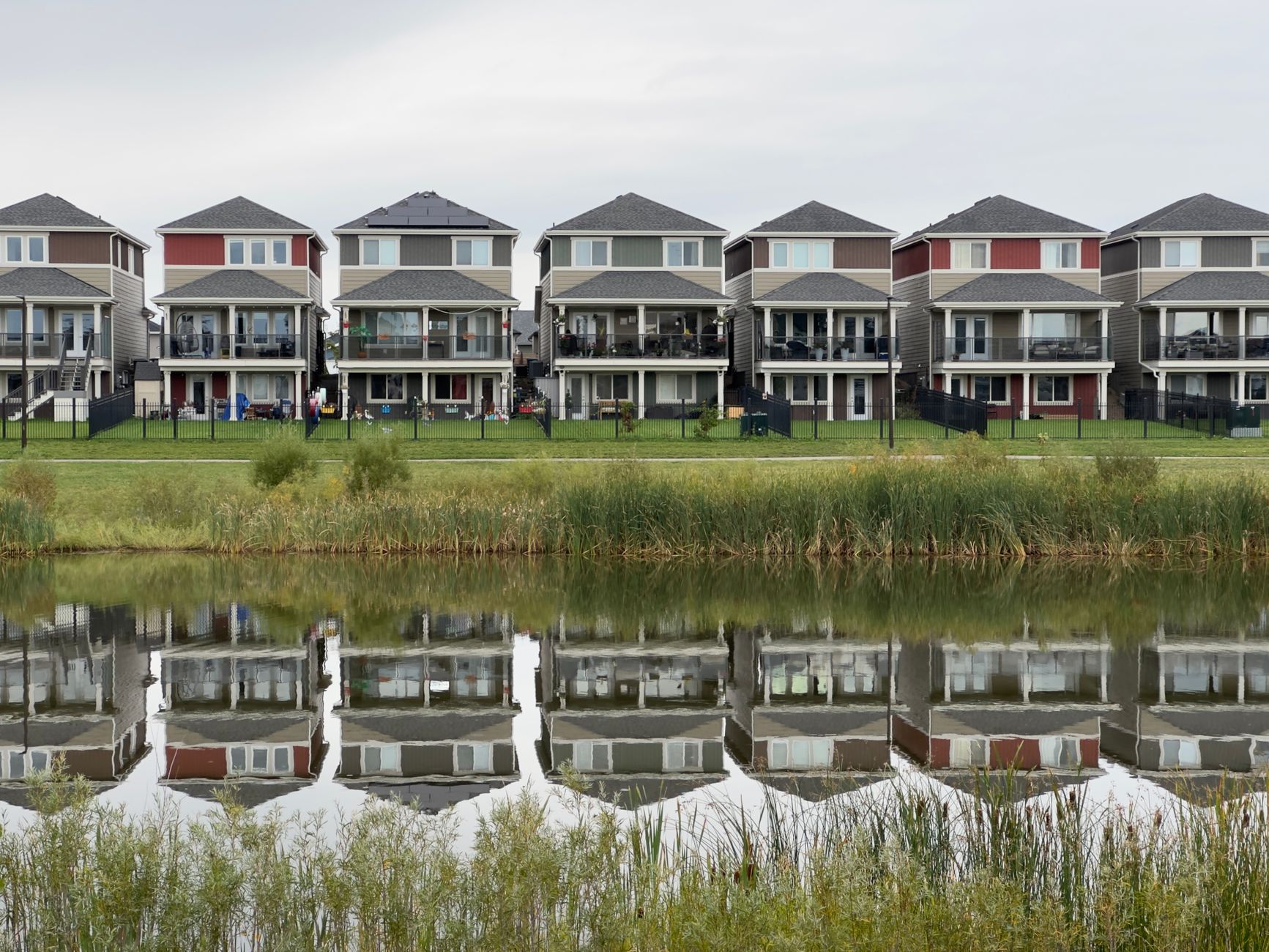
Lead: A Bold Promise Meets Tough Numbers
As mortgage rates hover near the high 6% to low 7% range in July 2026, a wave of zoning reforms to allow more duplexes and townhomes has not delivered universal price relief. In several large metros, median prices and rents remain stubbornly high, underscoring a core reality: the idea that duplexes townhomes always make cheaper housing is not borne out by current data.
Policy advocates argue that unlocking more housing types will increase supply, ease neighborhood strain, and bring costs down for working families. Yet economists warn that affordability hinges on a broader mix of factors, from financing to land costs to construction timelines. The practical effect in many markets is a gradual redrawing of where, not how much, people pay to live there.
"What we’re seeing is a policy lever that expands supply on paper but doesn’t automatically translate to lower monthly costs for households," said a senior housing analyst who spoke on condition of anonymity. "That’s because the downstream costs of land, labor, and permits often keep price pressure anchored, even when the zoning rules change."
Why the Duplexes-Townhomes Narrative Isn’t a Silver Bullet
The housing debate in 2026 remains split between economic realities and social goals. While developing more duplexes and townhomes can increase the number of units, the price of those units is still shaped by the costs of bringing them to market. A slower permitting process, higher interest rates, and persistent labor shortages can mute the expected price relief for buyers.
Experts emphasize that affordability is an economic problem, not solely a design issue. The broader question centers on how households qualify for and maintain housing payments over the long run, not just the upfront sale price.
Market Data—What the Numbers Say
- Mortgage rates: The 30-year fixed rate sits around 6.8% to 7.2% in early July 2026, according to market trackers.
- New small multifamily starts: 2025 activity rose roughly 8% year over year, but supply additions remain niche in many metro areas.
- Construction costs: Materials and labor costs have climbed by about 10%–15% since 2023, squeezing the economics of mid-sized projects like duplexes and townhomes.
- Rent trends: Two-bedroom rents increased at roughly a 4.5%–5.5% pace in the first half of 2026, outpacing broader income growth in several markets.
- Affordability index: The national housing affordability index sits in the low-to-mid range for 2026, signaling continued pressure for would-be buyers despite more housing types on the books.
In practice, the combined effect of higher financing costs and elevated construction bills means duplexes townhomes don’t automatically unlock cheaper monthly payments. In markets where land remains scarce and demand strong, a larger number of units can still fetch high rents or sale prices as developers pass along costs to buyers.
Case Studies from the Front Lines
Three metros illustrate the mixed impact of added density policies:
- Sunbelt corridor city A: A recent uptick in small multifamily starts coincides with a 6.9% mortgage rate and limited land supply. Price growth remains in the mid-single digits, with rent growth slightly outpacing wage gains.
- Coastal metro B: Beachfront land costs have surged, and permitting delays linger. Despite allowing more duplexes and townhomes in several neighborhoods, buyers still face steep monthly payments after taxes and HOA fees are included.
- Midwest hub C: Builders rolled out compact townhome clusters in mature suburbs, yet rising costs and tighter loan underwriting leave many purchasers paying near-market rates for slightly smaller living spaces.
These snapshots show a common thread: increasing unit count is not a catch-all solution for affordability. The price trajectory for newly built duplexes, triplexes, or townhomes often tracks the same financing and land-cost movements that shape traditional single-family homes.
Financing Headwinds and the Cost of Money
Loans for small multifamily projects carry risk profiles similar to larger developments, and lenders are applying stricter underwriting as rates fluctuate. For buyers and developers alike, the cost of money remains a primary driver of total housing costs. When rates rise or stay elevated, even a modestly priced unit can exceed the long-run budget of first-time buyers and middle-income households.
Additionally, lenders increasingly scrutinize project budgets for small multi-unit buildings. Construction contingencies, material delays, and labor cost volatility can push total project costs above initial estimates, forcing price adjustments that erode the affordability gains policymakers hoped to capture with denser zoning.
What This Means for Buyers and Lenders
For borrowers, the takeaway is clear: do not assume that simply choosing a duplex or townhome guarantees lower monthly payments. The most affordable option is often the one with favorable financing terms, extended amortization, and robust resale potential, even if it isn’t the cheapest headline price.
For lenders, the data reinforce the need to evaluate project viability on a unit-by-unit basis. A three-story townhome block may look appealing in policy maps, but the economics of construction and the current rate environment can change the math quickly.
Policy Implications—What to Watch Going Forward
Policymakers have cheered the potential of duplexes and townhomes to diversify neighborhoods and increase housing supply. However, the experience of 2026 suggests that the affordability dividend is not automatic. If the aim is real, lasting lower costs for households, policymakers may need to couple density incentives with measures that directly affect financing, land costs, and permitting timelines.
Possible levers include streamlined permitting for small multifamily projects, targeted down payment assistance, and capitalization programs that reduce the upfront burden for purchasers of denser housing. Without these complements, the simple premise that duplexes townhomes always make cheaper housing will remain, at best, a partial solution.
Takeaways for Market Participants
- Compare total monthly housing costs, including HOA fees and utilities, not just sticker prices.
- Factor in financing scenarios that reflect today’s rates and potential rate volatility over a 30-year horizon.
- Assess construction-cost risk and permit timelines when evaluating small multifamily projects.
- Monitor local policy changes and land-use rules that affect density, parking requirements, and infrastructure needs.
The Bottom Line
The housing policy rush to expand duplexes and townhomes as a universal cheapening tool is not a slam dunk. In a market shaped by higher interest rates, costly construction, and complex permitting, the promise that duplexes townhomes always make affordable housing remains unproven in 2026. Stakeholders should expect nuanced outcomes—more units, yes, but not automatically cheaper living costs across the board.

Discussion