
Hook: A Summer Like No Other—and What It Means for Your Money
If you thought the weather forecast was just mood weather, think again. This summer is shaping up to be a turning point for real estate and loans. When climate patterns tilt toward more extreme events, borrowing and investing decisions ride shotgun to the storm clouds. For homeowners, landlords, and lenders, extreme weather this summer isn’t a distant risk—it can become a cash flow problem, an insurance spike, or a collateral headache in the course of a loan. This article explains how extreme weather this summer could affect eight states and what you can do to protect your finances.
Recent climate signals point to a longer period of volatility in weather, driven by powerful oceanic patterns and shifting rainfall, heat, and wind. For investors and borrowers, that translates into higher costs, stricter underwriting, and smarter risk budgeting. The bottom line: climate risks are becoming part of the loan and investment decision, not a separate item on a risk checklist. Throughout this guide, you’ll find practical steps, real-world scenarios, and concrete numbers you can use to navigate the road ahead.
What Extreme Weather This Summer Really Means for Real Estate and Loans
Extreme weather this summer reshapes risk profiles for homeowners, renters, lenders, and investors. It’s not just flood maps and fire lines; it’s insurance costs, maintenance needs, occupancy trends, and the reliability of rents and resale value. Here are the main channels through which climate shocks can affect your money this season:
- Insurance and taxes: Insurance premiums rise after a year with damaging storms or wildfires. In many markets, insurers limit coverage on at-risk properties or enforce higher deductibles, which raises carrying costs for owners and borrowers.
- Flood risk and flood-zone reclassifications: FEMA and private carriers continually update flood maps. A dwelling once in a moderate risk zone can land in a high risk zone after a big flood, triggering higher premiums and mortgage requirements.
- Rent reliability: In drought or excessive heat, tenants may relocate or seek cheaper housing, pushing vacancy rates up and rents down in stressed markets.
- Property upkeep and depreciation: Wildfires, mold from humidity spikes, and heat stress can accelerate wear and tear. That means more capital expenditures and accelerated depreciation for investors who carry properties long-term.
- Lending discipline: Lenders increasingly require climate risk disclosures and asset-level resilience measures. That can translate to higher debt service coverage ratio (DSCR) thresholds and clearer guardrails on cash flow assumptions.
Eight States at Higher Climate Risk: What It Means for Investors
Forecasts and historical patterns suggest that eight states face elevated risk profiles when extreme weather this summer intensifies. While the exact ranking can shift with weather events, the themes are consistent: flood exposure, wildfire potential, drought stress, and heat. Here is a concise snapshot of the risk landscape and how it could affect financing and returns in each state:
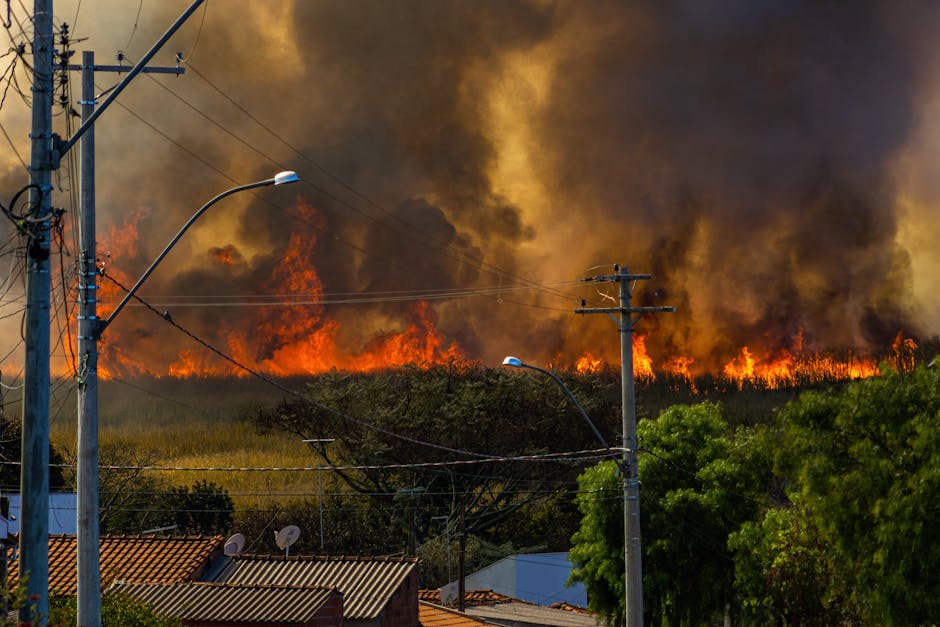
- Florida: Coastal storms, king tides, and rising flood costs can erode cash flow for rental properties, particularly in fast-growing markets. Insurance remains a wildcard, with premiums creeping higher even for well-maintained homes.
- Texas: A mix of hurricane exposure on the Gulf Coast and drought pressures inland increases variability in insurance pricing and maintenance. The surge in new builds can dilute price appreciation if flood resilience isn’t upgraded.
- California: Wildfire risk and shifting energy demands influence property values and borrowing costs. Post-fire rebuild cycles can compress yields in affected counties while long-term demand in safe zones remains strong.
- Louisiana: Recurrent flood risk and subsidence risks can complicate underwriting and insurance availability, particularly in lower-lying parishes where water damage is more common.
- Mississippi: Flood exposure, heat stress, and humidity increase maintenance costs and can drive vacancy cycles, especially in rural areas with aging housing stock.
- Alabama: A mix of flood-prone rivers and hurricane tracks on the Gulf Coast shapes risk for single-family rentals and small apartment buildings alike.
- Georgia: Heat and flood events in metro and coastal zones affect cooling costs, insurance, and occupancy. Markets near rivers see higher risk of flood events in major storms.
- North Carolina: Coastal development paired with inland droughts and storms creates a dual risk profile for lenders and investors, with insurance costs rising as climate risk becomes more visible.
In each state above, the core message is the same: climate risk is increasingly priced into loans and deals. If a property sits in a high-risk corridor, lenders may require larger reserve accounts, higher DSCR minimums, and more robust mitigation measures. For investors, that means potential lower leverage, higher cap rates for riskier markets, or slower timelines to close on deals in affected areas.
How This Affects You: Borrowers, Lenders, and Real-Estate Investors
Whether you’re applying for a loan to buy a single-family home, investing in a small multifamily property, or managing a portfolio of rental homes, extreme weather this summer changes the arithmetic of debt. Here are practical consequences you’ll likely encounter in the coming months:
- Higher debt service costs: Lenders may require higher DSCRs in flood-prone markets, pushing up interest costs or requiring larger down payments.
- Stricter underwriting: Climate-resilience features—like upgraded waterproofing, elevated electrical systems, and fire-resistant materials—can influence loan approval and pricing.
- Asset depreciation vs. resilience investments: The value of resilience investments may not always be recognized immediately by appraisers, but lenders will factor them into risk pricing.
- Insurance volatility: Flood, wind, and wildfire insurance markets react quickly to recent events, potentially leading to sudden premium spikes or coverage gaps.
- Tenant demand shifts: In markets with recurrent heat waves or flood risk, tenants may seek safer or more energy-efficient homes, affecting occupancy and rent growth.
Practical Strategies for Navigating Extreme Weather This Summer
Whether you’re buying, refinancing, or underwriting a loan for an investment property, these actionable steps can help you manage risk better this season:
- Underwrite with climate-adjusted scenarios: Run three cash-flow models—baseline, climate-stressed (higher insurance and maintenance), and resilience-enabled (costs offset by anticipated rent premiums or energy savings). Compare outcomes to see how sensitive your returns are to climate events.
- Audit insurance and coverage: Get quotes from multiple carriers, ask about flood and wind endorsements, and verify whether your policy includes contamination, mold, or water damage caused by extreme rainfall.
- Diversify geographically: Avoid concentrating too much exposure in one climate zone. A balanced portfolio across different risk profiles helps smooth out climate shocks.
- Invest in resilience: Simple mitigations—waterproofing, drainage improvements, fire-resistant materials, and backup power—can reduce losses and improve lender perception.
- Maintain liquidity buffers: In a climate-volatile year, keep extra cash for capital expenditures, vacancy periods, or elevated insurance costs. A 6–12 month runway in reserve can prevent forced sales.
Smart Investment Playbook: Balancing Risk and Return
Extreme weather this summer inevitably shifts the risk-return equation. You don’t have to ditch real estate, but you should rethink allocation, leverage, and exit strategies. Here’s a practical playbook that combines prudence with upside potential:
- Favor cash-flow resilience: Prioritize properties with verified stable occupancy, strong demand drivers, and predictable expense baselines. Class B properties in stable markets often outperform newer assets in high-risk zones when financing costs rise.
- Use conservative cap rates: In weather-volatile markets, assume higher future cap rates to account for potential price softness. If a property seems to squeeze out a 7% cap rate in an area with rising insurance costs, model a 6% or lower scenario under stress.
- Leverage with caps and floors: For loans on investment properties, consider ARMs with rate caps and plan to refinance before a rate spike. A fixed-rate bridge loan with a defined reset window can also help bridge weather-driven cash-flow gaps.
- Invest in climate-resilient property types: Multifamily assets with high-quality insulation, efficient cooling systems, and flood mitigation features can maintain appeal when extreme weather this summer hits.
- Explore climate-focused REITs and funds: Public and private vehicles that emphasize resilient infrastructure, flood control projects, or drought-resistant water systems can offer exposure to climate trends with professional oversight.
Quick-Start Checklist for Investors and Borrowers
- Identify flood and wildfire risk using FEMA maps, local zoning data, and climate risk reports.
- Request climate-risk disclosures from lenders and require resilience upgrades as loan conditions when appropriate.
- Lock in insurance options early and compare quotes across carriers.
- Inspect properties for flood-proofing, drainage, and ventilation upgrades that reduce future claims.
- Maintain a cash reserve equal to 6–12 months of debt service and maintenance costs.
Frequently Asked Questions (FAQ)
Q1: How does extreme weather this summer affect loan terms?
A1: Lenders may tighten DSCR requirements, push up interest rates, or require higher down payments for properties in high-risk areas. They may also mandate resilience upgrades or place exclusions on certain perils. Expect more careful underwriting and longer closing timelines in weather-affected markets.
Q2: Should I avoid investing in markets with high climate risk?
A2: Not necessarily. Diversification and due diligence are key. If you do invest in riskier markets, build in resilience upgrades, secure robust insurance coverage, and maintain larger liquidity reserves. The goal is to earn stable cash flow while minimizing vulnerability to weather shocks.
Q3: What are practical ways to protect my rental property against extreme weather this summer?
A3: Prioritize flood-proofing measures (seals, pumps, elevated electrical), fire-resistant materials, energy-efficient cooling, and back-up power. Regular maintenance, clear drainage, and clear tenant communication about storm readiness can reduce claim frequency and speed up recovery after events.
Q4: How can I balance climate risk with potential gains in real estate?
A4: Use a climate-aware investment framework: diversify across risk profiles, employ conservative underwriting, and select properties with demonstrated resilience. Consider climate-focused funds or REITs that emphasize risk mitigation and sustainable upgrades, aligning with longer-term value creation rather than short-term spikes in demand.
Conclusion: Prepare, Protect, and Prosper in a Climate-Changed Market
Extreme weather this summer is a signal—not just about the weather, but about the financial weather of real estate. Buyers, borrowers, and investors who acknowledge climate risk as a core part of underwriting can shift from reactive to proactive planning. By stress-testing cash flows, securing robust insurance, diversifying across markets, and investing in resilience, you can protect your capital and position yourself to benefit when markets stabilize after a weather shock. The climate may be changing, but so can your approach to risk and opportunity.
Discussion