
Topline: Subpoenas blocked, Powell protected
A federal judge blocked subpoenas served by the U.S. Department of Justice against Federal Reserve Chair Jerome Powell, ruling the move appeared aimed at pressuring him over policy choices and potential resignation rather than pursuing a legitimate criminal inquiry. The decision, issued by Judge James Boasberg in the U.S. District Court for the District of Columbia, comes as lawmakers scrutinize the Fed’s handling of a long-running headquarters renovation and Powell’s public duties.
In his memorandum, the judge noted that the DOJ had sought to compel Powell to testify about the central bank’s Washington, D.C., renovation and related matters after Powell’s congressional appearance. While the government argued the subpoenas were lawful and necessary, the court found strong signs that the subpoenas were used as a pressure tactic related to presidential policy pressures rather than a legitimate grand jury investigation.
Key facts in the ruling
- Subpoenas issued: DOJ grand jury subpoenas were issued in January, targeting Powell and demanding information tied to his testimony and the Fed’s operations.
- Subject of scrutiny: The Fed’s $2.5 billion renovation of its headquarters in Washington, D.C., and Powell’s role in policy statements linked to that era of public debate.
- Judicial finding: The court concluded the subpoenas’ dominant purpose appeared to be harassing or pressuring Powell rather than seeking evidence of a crime.
- Outcome: The Board of Governors of the Federal Reserve System won a motion to quash the subpoenas, with the court stopping further demands in this matter.
- Next steps: DOJ officials signaled an intent to appeal the decision, arguing the ruling limits the government’s ability to pursue legitimate investigations.
What the ruling means for Powell and the Fed
The decision limits a high-stakes confrontation between the executive branch and the central bank’s leadership. While the Fed has broad independence, the DOJ’s subpoenas had raised alarms about how political dynamics could influence the Fed’s policy stance and leadership. The court’s view that the subpoenas were not grounded in solid criminal justification underscores a key principle: investigative tools must not be used to coerce central-bank officials into policy accommodations or resignations.
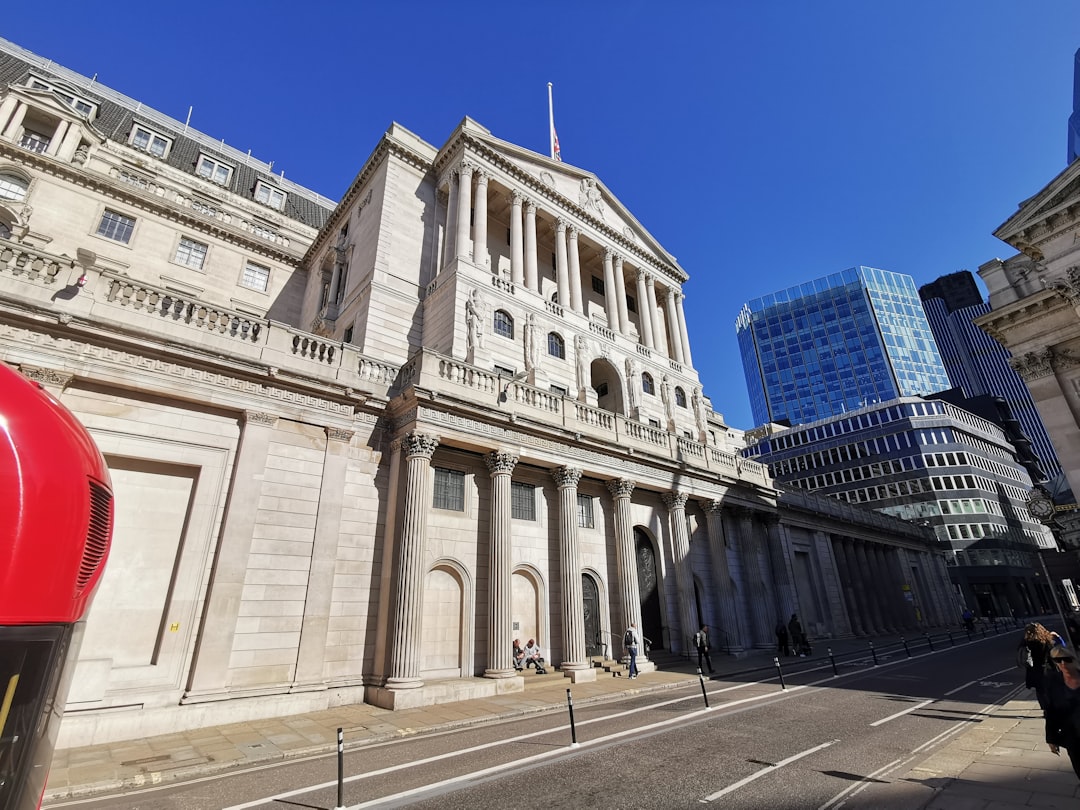
Lawyers for the Fed argued that the subpoenas crossed legal lines and risked impairing the Fed’s ability to operate independently. In a system where the Fed’s decisions on interest rates and lending standards affect millions of borrowers, critics warned that aggressive legal leverage against Powell could chill the bank’s deliberations or invite retaliatory behavior from political actors.
Market and loan implications
For financial markets and loan affordability, the ruling removes a potential source of political risk around the Fed’s leadership. Analysts say the federal judge blocks subpoenas helps reduce near-term volatility tied to questions about policy direction, inflation expectations, and the central bank’s leadership stability.
Tradeable assets tied to debt and lending conditions could respond to any longer-term shifts in central-bank independence. If the DOJ pursues an appeal, market participants will watch for signals about how far political pressure could push future policy decisions or prompt changes in how the Fed communicates with lawmakers.
Context: the renovation and a broader debate
The focal point of the dispute is the Fed’s headquarters renovation, a project that has drawn scrutiny over costs and governance. Powell and the Fed have said the renovation is essential for maintaining operations, cyber security, and staff facilities at a time when the central bank is grappling with rising interest rates and inflation dynamics that influence lending costs for households and small businesses.
From a loans perspective, any sustained debate about the Fed’s leadership or its policy framework can ripple through mortgage markets, consumer loans, and small-business credit. While the current ruling shields Powell from this particular set of subpoenas, it does not eliminate the broader policy questions surrounding the Fed’s balance sheet, asset purchases, and the trajectory of interest rates—factors that directly affect loan pricing and borrower access to credit.
Legal backdrop and what comes next
In contemporary finance, the judiciary’s stance on how investigators engage with central-bank leaders matters for market certainty. This decision sets a precedent about how far prosecutors can go when seeking testimony or records from a sitting Fed chair. The DOJ’s indicated plan to appeal suggests a lengthy legal process could unfold, potentially revisiting questions about executive privilege, congressional oversight, and the scope of grand-jury powers in cases that touch on macroeconomic policy.

As the Federal Reserve continues to navigate high interest rates and a shifting loan landscape, the public focus on governance and process remains a key narrative. Investors will be watching for further updates on the status of the HQ renovation, any shifts in leadership communication, and how these factors might influence lending costs, credit availability, and the overall pace of monetary normalization.
Bottom line for borrowers and lenders
Borrowers and lenders should view this ruling as a sign that the Fed’s formal policy framework remains insulated from unilateral executive pressure in the near term. While political dynamics can influence sentiment, the central bank’s decisions on rate paths and loan conditions will continue to be driven by inflation data, employment trends, and financial stability considerations.
For now, the market appears to gain clarity from the decision, with less immediate volatility tied to the Powell subpoena dispute. Still, families and businesses should stay attentive to any subsequent legal actions or legislative proposals that could alter how the Fed operates or how Congress engages with the central bank in the future.

Discussion