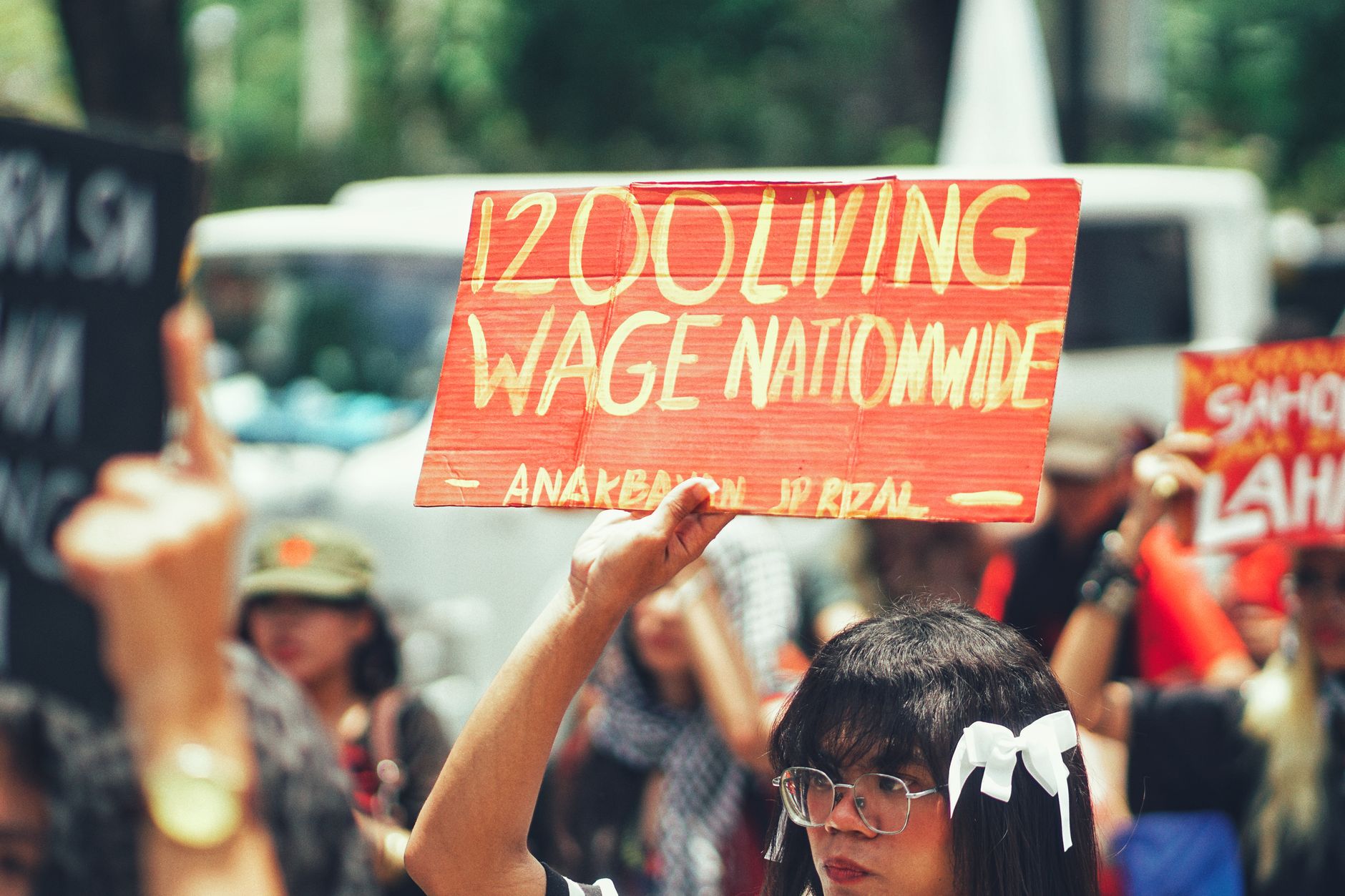
Breaking News: Affordability Gaps Grow as Housing Costs Outpace Wages
June 2026 brings a sobering reminder that housing costs outpace wages for many American households. The Local Initiatives Support Corp, known as LISC, released its State of Affordable Housing report this week, underscoring an urgent need for tighter public-private collaboration to close a roughly 7 million-unit gap in affordable homes. The findings come as inflation, insurance premia, and aging stock blur the lines between renting and owning for low- and moderate-income families.
What the Data Show
The report paints a clear picture: housing affordability remains a stubborn constraint. A large share of working households struggle to keep a roof over their heads without sacrificing essentials like child care, health care, and transportation. Central numbers include:
- The affordability gap stands at about 7 million units nationwide that are needed to meet demand for safe, decent, and affordable housing.
- More than 40 percent of income goes toward housing for a sizable portion of renters and some homeowners, signaling chronic cost burden.
- The average age of a first-time homebuyer is now reported to be over 40, highlighting a demographic shift where ownership remains out of reach for many younger households.
- Costs to build, preserve, and manage housing have risen due to higher insurance premiums, energy and maintenance costs, and supply-chain frictions that push up overall development costs.
In interviews tied to the report, LISC CEO Michael Pugh emphasized that these are not isolated pressures, but a systemic mismatch between what people earn and what housing costs require.
Why This Is Widening Now
Pugh notes that the current affordability squeeze reflects a broader economic pattern: while wages have in some sectors ticked higher, the rise has not kept pace with the full cost of housing, especially in high-demand markets. He described a threshold crossing in which owning a home has moved from a near-term aspiration to an extended horizon for many families.
“The core problem is not simply rent prices or mortgage rates, but the entire cost envelope around housing—from construction and insurance to utility bills and ongoing maintenance,” Pugh said. Housing costs outpace wages is a phrase that appears repeatedly in the group’s analysis, signaling a long-run drag on wealth-building for millions of households.
Beyond struggling families, the report highlights the broader societal impact: delayed homeownership, thinner equity portfolios, and a slower pace of neighborhood revitalization in communities that most need investment.
What Needs to Happen: A Roadmap for Action
The State of Affordable Housing sketch 2026 action plan calls for a tighter mix of policy levers, stronger funding commitments, and a broader coalition of actors to close the 7 million-unit gap. Pugh outlined several priorities that keep the focus on housing costs outpace wages without losing sight of the households most at risk.
- Boost public investment and incentives: Scale capital for new affordable housing and preservation projects through predictable funding streams and enhanced tax credits.
- Expand private-sector engagement: Tap hospitals, universities, REITs, and pension funds to provide patient, mission-aligned capital that complements public dollars.
- Innovative financing tools: Use loan guarantees, credit enhancements, and blended finance to reduce the cost of capital for affordable projects.
- Preserve and retrofit existing stock: Invest in modernization of aging housing stock, with a focus on energy efficiency to cut operating costs for lower-income tenants and owners.
- Streamline rules and speed up construction: Accelerate zoning, permitting, and land-use processes to lower construction delays and costs.
- Align housing with wages growth: Target regions where wage gains can be paired with new affordable units to prevent future cost mismatch.
Pugh stressed that no single program will solve the problem. He called for a sustained, coordinated approach that blends public policy, philanthropic dollars, and private capital to re-balance the economics of housing for working families.
Investor and Policy Roles in a Changing Market
As markets settle into a new normal in 2026, investors are recalibrating risk, return, and impact. LISC’s report argues that the best path forward blends mission-driven capital with scalable, commercially viable models. In practical terms, this could mean more shared equity models, longer-duration affordable loans, and partnership structures that share risk between lenders, developers, and community organizations.
“We need investors who share the view that housing is a foundational economic good, not just a commodity,” Pugh said. “Public-private partnerships can unlock the scale necessary to address a 7 million-unit gap, but they require clear governance, measurable outcomes, and flexible capital that can weather cycles.”
The Market Context in June 2026
Analysts note that the housing market in mid-2026 remains bifurcated. In expensive metro areas, rent inflation persists and occupancy costs eat into family budgets. In more affordable regions, rising construction costs and limited supply still constrain new units. While mortgage rates have moderated from the peaks seen in the previous cycle, affordability gaps persist for many buyers who lack a cushion or access to stable, low-cost financing.
The State of Affordable Housing report positions LISC at the center of a collaborative push. It argues that success will depend on aligning housing policy with broader social objectives, from workforce development to energy retrofits, to ensure that new and preserved homes support long-term community vitality.
What Happens Next
If policymakers and private partners heed the call, expect a wave of initiatives designed to shrink the affordability gap. Possible near-term steps include enhanced low-interest loan programs for affordable housing developers, expanded tax credits for preservation, and pilots that couple energy efficiency upgrades with occupancy subsidies to lower monthly costs for tenants.
For households already feeling the bite of housing costs outpace wages, the roadmap aims to reduce financial stress and restore a path toward ownership for a generation that has seen that option drift further away. The momentum from LISC’s report could influence federal and state housing agendas, city-by-city funding decisions, and the terms of collaboration between lenders and community organizations.
Bottom Line
The call from Michael Pugh and LISC is clear: if housing costs outpace wages and the 7 million-unit gap remains unaddressed, broader social and economic costs will accumulate. The proposed mix of funding, policy reform, and private-sector engagement aims to turn that trend around and restore a sense of financial progress for working families across the United States.

Discussion