Market Snapshot: Rates Break Past 6.7% Amid Global Turmoil
May 19, 2026 marks a notable turning point for borrowers as mortgage rates climb beyond 6.7% on a broad mix of loan products. The move comes as 10-year Treasury yields jump on global tensions and stubborn inflation, pushing lenders to reprice risk quickly.
Latest data show 30-year conforming loans averaging 6.77% for standard borrowers with strong credit, the highest level this year. FHA-backed 30-year loans sit around 6.33%, while jumbo loans hover near 6.89%. These figures come from a weekly market tracker that calibrates rates across a representative group of retail lenders using a common borrower scenario.
The magnitude of the rise adds to homebuyers’ monthly payment burden and compounds the challenge for sellers negotiating price or terms. In practice, lenders say the shift is prompting faster decision-making and a broader set of concessions to keep deals intact.
What It Means for Buyers and Sellers
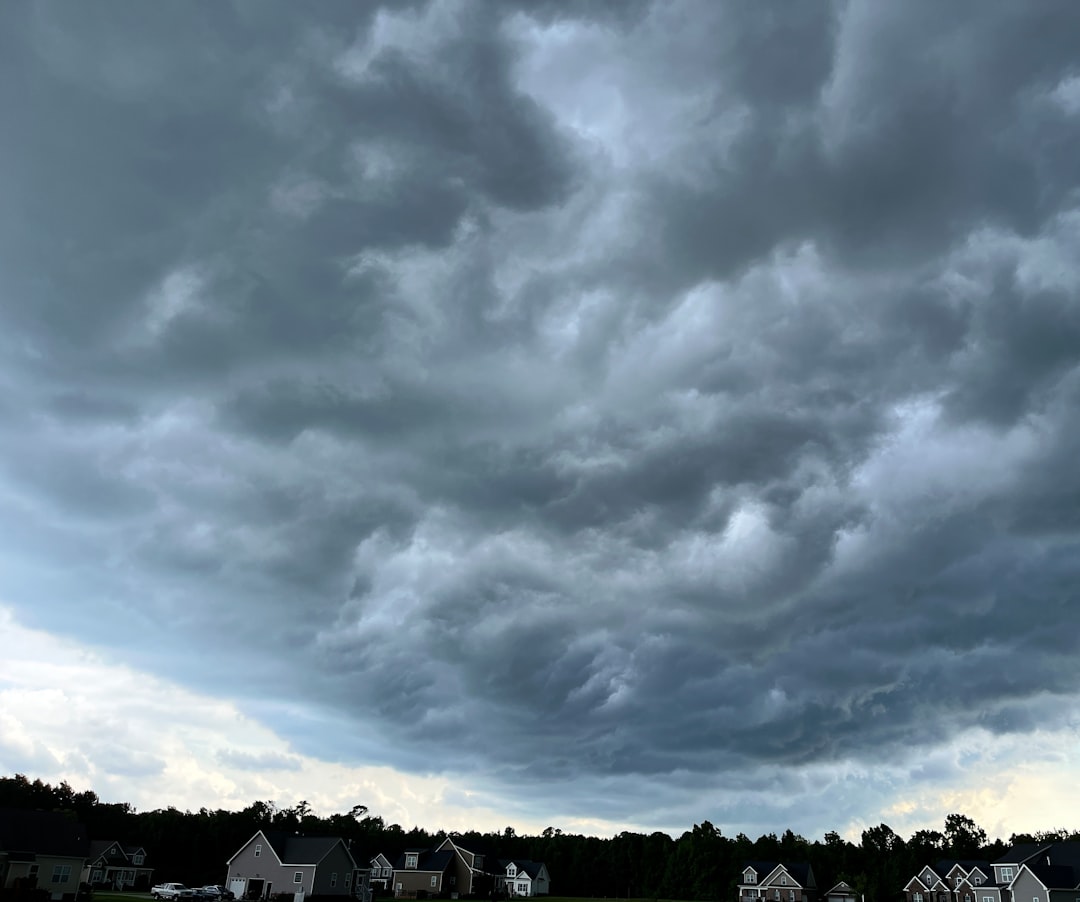
The housing market weather storm is shaping day-to-day decisions in real estate. For buyers, the combination of higher rates and elevated home prices means higher monthly payments and stricter qualification hurdles. For sellers, it is increasingly common to offer credits at closing or reduce asking prices to close amid thinner demand.
Borrowers are recalibrating expectations, and sellers are embracing credits to keep bids moving toward a close
, said Elena Ruiz, chief lending officer at NorthBridge Mortgage. Time on market is lengthening in many regions, but a few high-demand pockets still burn through inventory quickly.
Economists caution that rate volatility could persist as external factors—oil prices, geopolitics, and inflation data—continue to influence bond markets. The consensus view is uncertain, with some forecasters averse to declaring a bottom until relief appears in inflation figures or geopolitics cool.
Lending Trends and Borrower Tactics
- Shorter closing timelines are gaining traction as lenders prioritize certainty and speed to beat further rate moves.
- Seller concessions, including closing-cost credits, are becoming more common in competitive markets.
- buyers increasingly target 2-1 and 3-1 rate buy-downs to ease initial payments, even as long-term costs rise.
- Refinancing activity remains uneven; many homeowners with decent equity pause until rate relief materializes, weighing the cost of waiting against potential savings.
Industry players argue that the current cycle will test the balance between affordability and liquidity. A rising-rate environment tends to restrain demand, but it does not erase the fundamentals of housing supply and household formation. As one regional lender notes, the market may endure the storm if buyers adapt quickly and lenders keep credit standards steady.
Data Snapshot: Key Metrics at a Glance
- 30-year conforming loans: 6.77% (highest point of the year)
- FHA 30-year loans: 6.33%
- 30-year jumbo loans: 6.89%
- Estimated closing times: up to several days longer in many markets as lenders reprice risk
- Home-price momentum: mixed by region, with cooling in some overheated markets and continued strength in others
Analysts say the resilience of the housing market will hinge on whether inflation cools and if energy prices stabilize. Even as rates stay elevated, the presence of strong job markets and steady wage growth could cushion households against a sharper pullback in demand.
Outlook: How Long Will the Storm Last?
Market watchers are divided on the duration of the current rate environment. Some forecasters expect a bumpy path through the next several quarters, with rates retreating only after inflation trends show sustained improvement. Others anticipate rates staying in a higher band until demand in most regions rebalances with supply constraints.
For now, the phrase housing market weather storm captures the sentiment: a magnet for caution, yet not a signal of collapse. As long as the macro backdrop remains unsettled, borrowers should expect continued variability in pricing and terms across lenders.
The housing market weather storm will persist until we see clearer inflation signals and stability in geopolitics,
noted Marcus Reed, chief economist at Summit Advisory. In the meantime, buyers should focus on locking in favorable terms when opportunities arise and lenders should emphasize transparency in rate options and concessions.
Bottom Line
With mortgage rates climbing past 6.7%, the housing market weather storm tests the resilience of buyers, sellers, and lenders alike. The essential takeaway for borrowers is to stay nimble: compare loan programs, explore concessions, and consider rate-down strategies that suit long-term affordability. For lenders, maintaining disciplined underwriting and offering clear, structured options can help households weather the volatility and keep the housing market moving forward.
Discussion