
Market Snapshot: Rates Hit Yearly Highs, Yet Demand Holds
The latest data show mortgage rates yearly highs as the 10-year U.S. Treasury yield climbed into new territory, complicating affordability for some buyers. Even with higher costs, housing demand has not collapsed, with weekly indicators showing resilience in purchase activity and pending sales. The week ended with the 10-year yield around 4.60%, a level that has historically been a pressure point for loan pricing.
Analysts caution that the environment remains delicate: inflation data, global tensions, and policy expectations could push rates higher or trigger volatility. Yet a stubborn supply shortfall and ongoing demand from first‑time buyers and move‑up buyers alike keep the market moving, even as borrowing costs rise.
Key Data Points in Focus
- 10-year Treasury yield closed Friday at 4.60%, marking the latest high in a volatile year for fixed income.
- Average 30-year fixed mortgage rates were near 6.85% for the week, with intraday peaks approaching 6.95% at times.
- Mortgage spreads—the gap between note yields and mortgage pricing—held around 1.92%, a touch tighter than the prior week.
- Mortgage purchase applications rose on a year-over-year basis, with a modest week-over-week gain as lenders reprice risk amid higher rates.
- Weekly pending home sales remained positive year over year, according to the latest market release, underscoring ongoing buyer interest despite higher costs.
Why Demand Persists Despite Record-Setting Rates
In a market characterized by mortgage rates yearly highs, buyers are adapting in several ways. Some are accelerating plans to lock in financing before costs rise further, while others are leveraging loan programs that offer lower down payments or assistance with closing costs. The result is a blend of hinge-rate sensitivity and stubborn buyer momentum, especially in markets with tight supply and robust job markets.
“We are seeing solid activity in metropolitan areas with job growth and constrained inventories,” said Maria Chen, senior analyst at HUD Markets. “Affordability has become a multi‑variable equation, but the inertia of households looking to upgrade or first‑time buyers remains real.”
Another factor supporting demand is the ongoing digital transformation of the home loan process. Faster underwriting and streamlined pre-approvals help some buyers move quickly when opportunities arise, mitigating some of the friction created by higher rates. Still, lenders remain selective, pricing risk more precisely in response to shifting economic signals.
What This Means for Buyers, Sellers, and Markets
For buyers, the current environment of mortgage rates yearly highs translates into a calculus that weighs monthly payments against future housing wealth. Many lenders advise buyers to lock when they find a rate that fits their budget, while keeping an eye on the broader credit picture and potential relief if inflation cools or rate volatility settles.
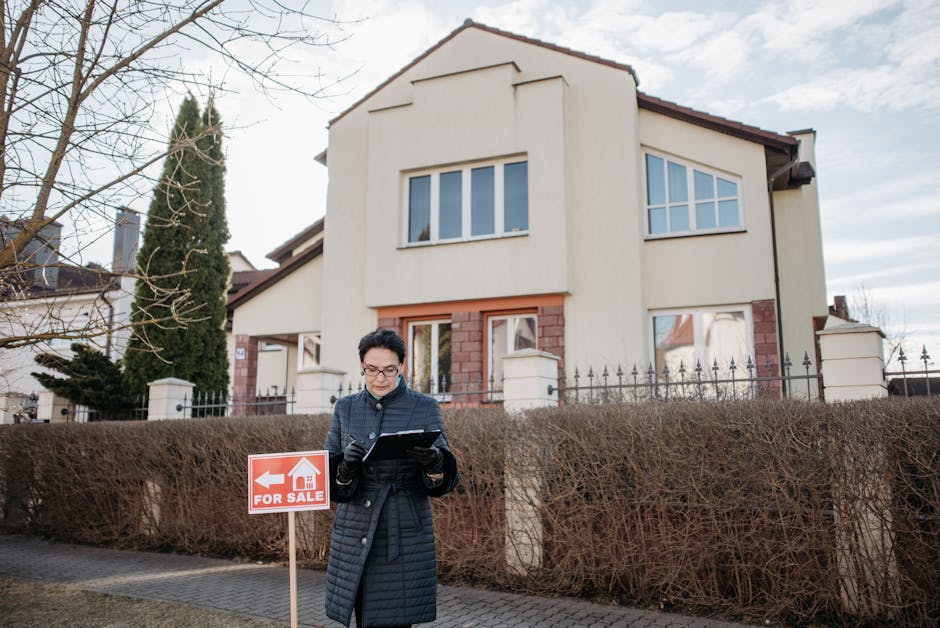
For sellers, higher rates can temper price growth and slightly shorten bidding windows. Yet mid‑to‑high inventory markets continue to see steady price retention, aided by limited new construction and a persistent pool of buyers who are flexible on timing and property type.
Policy and market watchers say the next few months will be critical: CPI data, labor market readings, and any shifts in Federal Reserve rhetoric could alter the trajectory of mortgage pricing. The spring and early summer months typically bring more housing data, which will be crucial in determining whether mortgage rates yearly highs persist or ease as investors reassess growth and inflation scenarios.
Looking Ahead: What the Market Will Watch
Aside from domestic data, investors will monitor global developments that influence risk appetite and funding costs for mortgage lenders. If the macro backdrop improves on inflation cooling and geopolitical tensions moderate, mortgage rates could stabilize or retreat modestly. Conversely, fresh supply shocks or energy market volatility could push yields higher and renew affordability challenges for borrowers.
Economists emphasize the importance of the housing supply backdrop. Even with converging demand and higher costs, a strategic wave of new homes—especially on the affordable end—could help moderate price growth and support continued activity for buyers who are willing to enter the market at elevated rate levels.
Analyst Insight and Market Sentiment
“The housing market has proven to be surprisingly resilient in the face of mortgage rates yearly highs,” noted Steven Alvarez, chief market strategist at NorthBridge Analytics. “Affordability remains a constraint, but the combination of supply constraints and ongoing demand from resilient demographics means buyers are still participating, albeit with greater caution.”
Another voice, Leila Hasan from Central Wave Capital, added, “If rate volatility stabilizes and job growth persists, we could see a multi‑week window where purchase activity steadys around current levels, supporting home prices even as financing costs stay elevated.”
Bottom Line for May 2026
Mortgage rates yearly highs are shaping the purchasing environment, yet housing demand has shown surprising endurance in the latest weekly data. With the 10-year yield hovering near 4.60% and mortgage pricing nudging toward the upper end of the historical range, buyers and lenders continue to navigate a marketplace defined by limited supply, solid job growth, and ongoing rate volatility.
Discussion