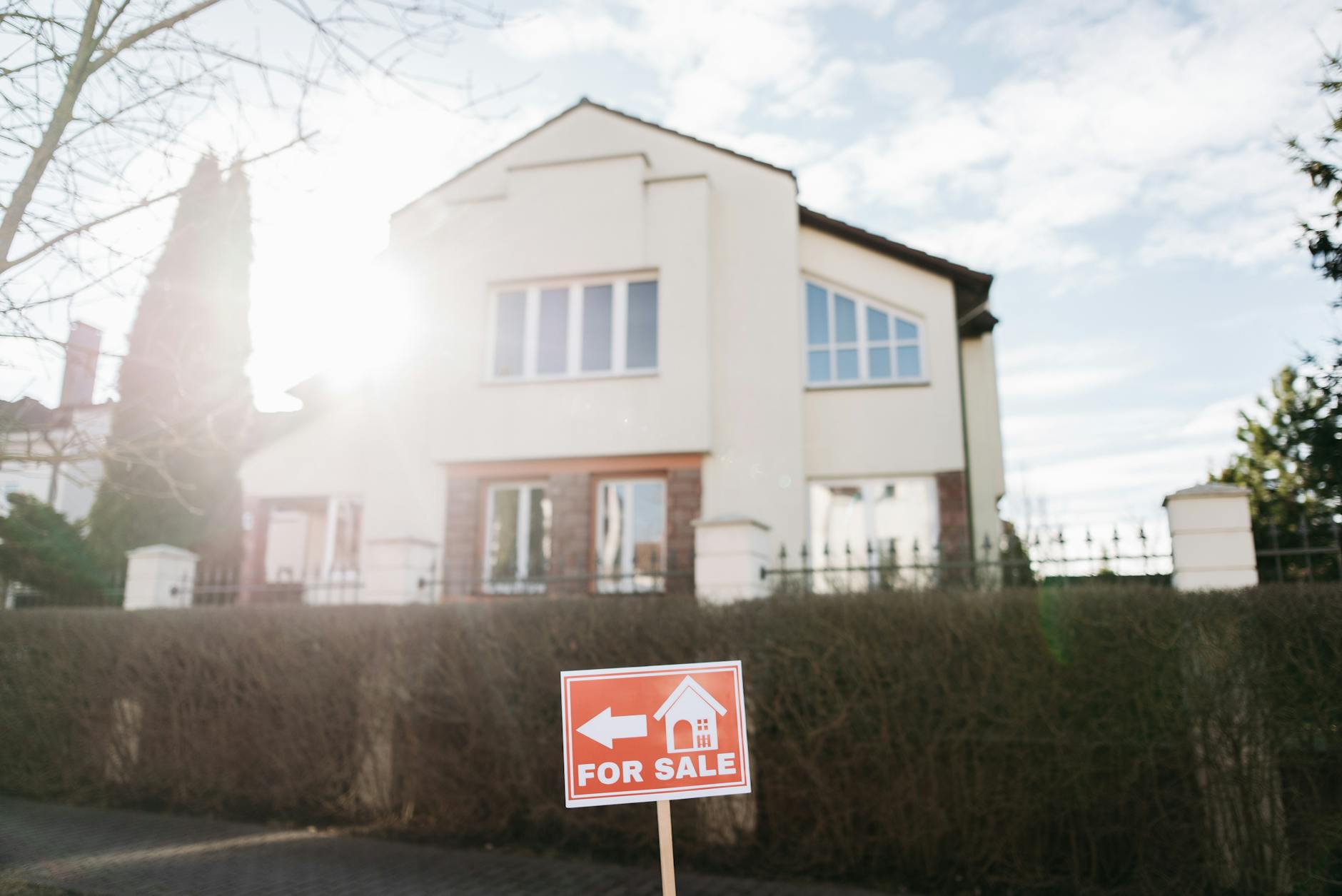
Real Estate Isn’t Safe From Inflation: A Closer Look
Inflation makes headlines every year, but its impact on everyday financial choices often feels abstract. Many people assume real estate is a guaranteed shield against rising prices, a so-called inflation-proof asset. The truth is more nuanced. Real estate isn’t safe in every market, every loan product, or every phase of the economic cycle. Prices may move up with inflation, but so do costs, debt service, and volatility in cash flow. If you’re buying a home, investing in rental property, or managing a mortgage, understanding the real mechanics of inflation will save you surprises at closing, renewal, or sale.
How Inflation Touches Real Estate: Prices, Rates, and Costs
Inflation doesn’t just raise the price tag on a home. It also shifts the cost of financing, maintenance, and even insurance. When the cost of borrowing rises, buyers face higher monthly payments, which can cool demand and stall price gains. At the same time, landlords contend with escalating property taxes, insurance premiums, and repair costs, all of which erode net operating income if rents don’t keep pace.
Consider a hypothetical buyer in a market where a modest starter home lists for $350,000. If inflation nudges mortgage rates from 4.5% to 6.5% over a year, the monthly payment on a 30-year fixed can jump by hundreds of dollars. That doesn’t only affect the buyer’s budget—it reshapes demand, affects resale value, and alters the perceived safety of real estate as a long-term hold.
Mortgage Rates and Inflation: A Delicate Dance
Mortgage rates and inflation often move in the same direction, but not in lockstep. Central banks raise rates to cool inflation, which translates to higher APRs and monthly payments for new loans. For existing adjustable-rate loans, borrowers may see payments rise as rates reset. Even a seemingly small rate uptick compounds over time, changing affordability and the attractiveness of refinancing.
Real estate isn’t safe from inflation because the debt side of the equation reacts to price signals as aggressively as the asset side does. A home can rise in nominal price during inflationary periods, but if your financing becomes significantly more expensive, you may end up with a lower real return after debt service and taxes. Notably, in recent cycles, rate spikes cooled housing markets quickly in some regions, while others absorbed the shift more gradually, underscoring the importance of local market dynamics.
Rents, Cash Flow, and Inflation: A Tug of War
Rental income is where inflation can help—or hurt—an investor. Rents often rise with or above inflation, especially in tight labor markets or desirable neighborhoods. But rent growth isn’t guaranteed, and longer-term leases can cap leverage when inflation accelerates. If property expenses (maintenance, taxes, insurance) rise faster than rents, cash flow can deteriorate. This is a key reason why real estate isn’t safe as a one-note inflation hedge: the income stream can lag inflation, particularly in markets with high vacancy rates or weak demand.
- Rent growth vs. inflation: In healthy markets, rents tend to outpace consumer inflation by a few percentage points, but in downturns or oversupplied markets, rents stall or decline.
- Vacancy risk: Inflation can shrink renter affordability, leading to longer vacancies and lower occupancy, which squeezes cash flow.
- Cap rates and valuations: As financing costs rise, cap rates may compress or expand, changing the value of income-producing properties even if rents keep pace.
Regional Variations: Inflation Hits Markets Differently
Inflation and interest rates affect markets unevenly. Some regions experience rapid price appreciation during inflationary waves, backed by strong job markets and limited supply. Others may see price stagnation or correction if income levels don’t keep up with rising rates and mortgage payments. This heterogeneity is a major reason real estate isn’t safe as a universal hedge: a property that thrives in one city may struggle in another, even under the same macroeconomic backdrop.

When you evaluate a real estate investment, consider:
- Local wage growth and job stability
- Housing supply and new construction trends
- Property tax cycles and insurance availability
- Access to financing for buyers and investors in that market
Is Real Estate a Safe Inflation Hedge? Not Always
Many investors buy real estate expecting a simple inflation hedge: prices rise, rents rise, and debt stays manageable. The reality is more complex. Real estate isn’t safe from inflation because inflation affects every layer of the deal—from the price of the asset to the cost of financing, to the quality and resilience of the tenant base. Those dynamics can either amplify gains or magnify losses, depending on leverage, location, and the timing of economic cycles.
Let’s debunk a few common myths about real estate and inflation:
- Myth: Inflation always makes real estate go up in value. Reality: Price gains can outpace inflation in some markets, but financing costs and operating expenses may rise faster in others, eroding net value.
- Myth: A fixed-rate loan protects you from inflation. Reality: A fixed loan shields you from rate increases, but if your property’s rent growth doesn’t cover higher costs, cash flow suffers.
- Myth: Real estate is a passive, safe inflation hedge. Reality: Real estate requires active management, ongoing maintenance, and careful debt oversight, especially when inflation shifts demand.
Strategies to Navigate Inflation Without Overpaying
Whether you own property or are considering a purchase, here are practical steps to make inflation work for you instead of against you. The goal is to align debt service, cash flow, and long-term value with realistic scenarios rather than optimistic forecasts.

In an inflationary environment, a fixed-rate loan helps stabilize housing costs. If you expect rates to move higher, a longer fixed term (15–30 years) can reduce refinancing risk later, even if the initial rate is a bit higher. For rental properties, plan for a worst-case vacancy and a 10–15% reserve for major repairs. Inflation can crop up as unexpected costs, and reserves protect your monthly cash flow. Don’t put all your money into one property type or market. A mix of single-family rentals, small multi-family units, and maybe some real estate investment trusts (REITs) can dampen inflation shocks. Structure leases with built-in rent escalators tied to a benchmark (like CPI) or a cap that keeps occupancy high while compensating for higher costs. Property taxes and insurance costs can surge with inflation. Ensure your cash flow analysis includes potential tax changes at the state and federal level.
The Real-World Takeaway: Real Estate Isn’t Safe Without a Plan
Real estate isn’t safe from inflation because there are no guarantees that price appreciation, rent growth, and debt costs will move in a favorable alignment at the same time. The asset you buy today could face higher financing burdens tomorrow, while tenant demand could soften in a slowing economy. This is why a thoughtful, data-driven approach matters more than hyped headlines or the “one-size-fits-all” inflation hedge mindset.

As a borrower or an investor, your edge comes from a disciplined process: analyze local market fundamentals, model multiple inflation scenarios, secure stable financing, and maintain liquidity. The result isn’t a guarantee of profit, but a realistic framework that increases your odds of weathering inflation with resilience.
Conclusion: Inflation Isn’t a Free Pass for Real Estate
Inflation changes the math, not just the headlines. Real estate isn’t safe as a guaranteed inflation hedge, especially when you factor in rising loan costs, shifting rents, and local market idiosyncrasies. The smart path is to treat real estate as one component of a diversified, well-planned financial strategy. Use careful rate planning, maintain reserves, test multiple scenarios, and stay flexible. With disciplined planning, you can navigate inflation with confidence, rather than simply hoping that property values rise without risk.
FAQ
What does inflation do to mortgage rates?
Inflation often leads central banks to raise rates to cool the economy. Higher policy rates tend to push mortgage rates up, increasing monthly payments for new loans and affecting refinancing decisions. This dynamic is a core reason why real estate isn’t safe from inflation: the cost of financing can rise even if property prices stay the same.
Is real estate a good inflation hedge for the average homebuyer?
Not automatically. While property values can rise with inflation, actual protection depends on local market dynamics, financing costs, and the ability to manage operating expenses. In some markets, the net benefit may be modest or even negative if debt service grows faster than rents and tax bills.
How can I protect rental property cash flow during inflation?
Prioritize fixed-rate financing, maintain a robust occupancy plan, and build a reserve fund. Consider diversifying tenants and neighborhoods to reduce vacancy risk. Use adjustable-rate components only if you have a clear plan to refinance, or if you operate in a market with very strong rent growth guarantees.
What should I do first if I’m worried about inflation hurting my real estate plans?
Start with a conservative plan: backtest your numbers with several inflation scenarios, confirm you have at least 6–12 months of operating reserves, and build a debt strategy that won’t strand you if rates rise. If you’re already invested, stress-test your portfolio and consider hedges like rate locks or partial loan payoff strategies.
Discussion