
New Homes Embrace Smart Security: Builder Technology Across the Board
In today’s housing market, safety tech isn’t just an upgrade — it’s a baseline expectation. Builders are weaving smart security: builder technology into new homes to meet rising buyer demand and to align with financing patterns that favor integrated, verifiable safety features. The shift comes as lenders increasingly view connected security as a value driver, potentially lowering risk for new construction projects.
Market observers say the industry is moving from reactive surveillance to proactive protection, with buyers expecting real-time alerts, seamless device communication, and advanced access control as standard components of a modern residence. This transformation is reshaping how homes are designed, financed, and sold in 2026 and beyond.
Real-Time Monitoring Becomes a Standard Feature
The old model — a camera that records and sits idle until trouble shows up — is fading. Builders are now packaging real-time monitoring into entry-level and mid-tier homes, leveraging AI to spot anomalies and deliver instant notifications to homeowners and property managers.
- 28% of consumers currently use AI for person or package detection, a sign that buyers expect smart, responsive safeguards rather than passive footage.
- Real-time alerts arrive on mobile devices within seconds of a noted event, from driveway activity to package deliveries, reducing response times for security incidents.
- IoT interoperability ties cameras, door locks, lighting, and sensors into one cohesive system, so a breach in one area triggers a coordinated response across the home network.
“Real-time monitoring is no longer a premium feature; it’s a market standard,” said a senior analyst at a major housing tech firm. "Real-time monitoring is becoming table stakes for new builds, and buyers expect it without paying a premium."
This shift is supported by financing trends as lenders look for verifiable safety practices. When security data feeds into a single dashboard that can be reviewed by a lender or insurer, projects become easier to underwrite and price, creating a more stable investment profile for builders and buyers alike.
Integrated Systems and Behavioral Analytics
Integrated smart home ecosystems are expanding beyond convenience toward predictive protection. Builders are linking security with energy management, climate control, and occupancy sensing to create a holistic living environment. The emphasis is on systems that learn resident patterns and adapt automatically, rather than isolated gadgets that operate in silos.

- Behavioral analytics turn household activity into actionable insights, helping to differentiate properties in a competitive market.
- Interoperability across devices from different manufacturers is now a core design requirement, rather than a selling point.
- Security platforms are increasingly hosted in the cloud, enabling remote management, software updates, and cross-property access control for multi-home developments.
One builder executive noted, “smart security: builder technology is not just about plugging in cameras; it’s about orchestrating a living system that protects people and possessions while preserving ease of use.” The same executive emphasized that the value proposition extends to the financing side: buyers can secure preferred loan terms when a home’s safety features are independently verifiable and routinely monitored.
Smart Access Control and Safer Entry
Access control has moved from traditional keys to credentialed entry via smartphones, wearable IDs, and temporary guest codes. Smart locks, door sensors, and centralized access dashboards give homeowners and property managers granular control over who enters a home and when — a feature many lenders view as reducing loss risk for new projects.
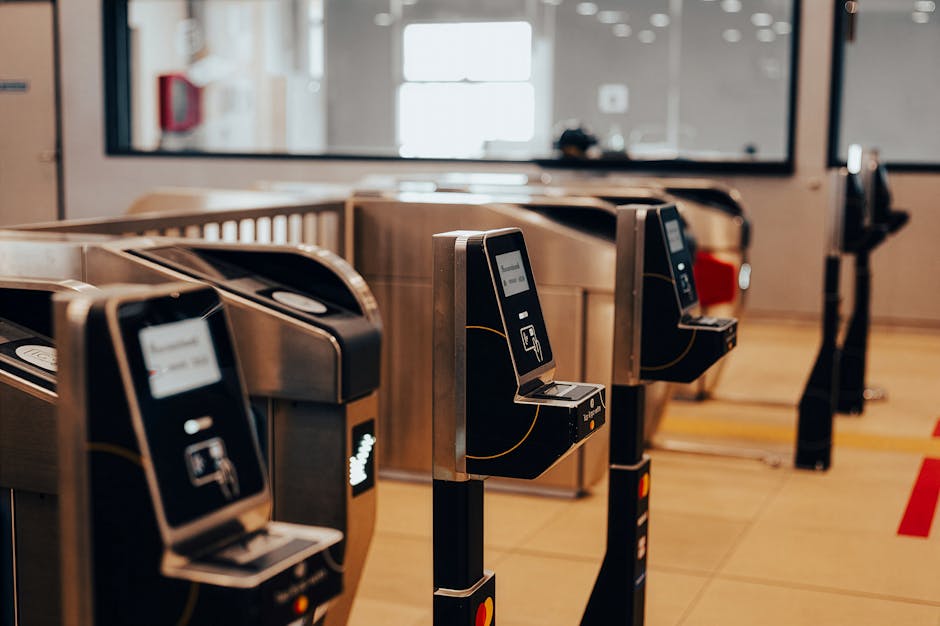
- Smart access reduces unauthorized entry by offering real-time permissions and revocation, which is particularly valuable in rental or multi-unit developments.
- Temporary access codes for service visits can be generated and expired automatically, paired with video verification for added security.
- Within two years, more builders expect to deploy nationwide standardized access control across new communities to streamline operations and improve resale value.
Manufacturers are responding with more durable hardware and simpler interfaces, ensuring that even first-time buyers can manage security without a technology degree. The result is a safer, more marketable home that aligns with what buyers want and lenders require for financing and insurance purposes.
Financing Trends and Buyer Demand in a Tight Market
Financing conditions remain central to how quickly smart security: builder technology becomes universal. With interest rates fluctuating and housing supply tight, lenders are increasingly incentivizing safer, verifiable features that reduce risk exposure. Builders who bundle safety tech with energy efficiency are often able to justify premium pricing and faster closings, while buyers gain a more transparent, connected home experience.
- Prices for homes with integrated safety ecosystems tend to hold value better in markets where security and occupancy analytics can be demonstrated to insurers and appraisers.
- Mortgage lenders are more willing to offer favorable terms when safety certifications, device inventories, and monitoring capabilities are well-documented and GDPR/privacy-compliant.
- Contractors report that buyers frequently prioritize connectivity that works seamlessly with their existing devices, reducing post-sale customization costs and improving satisfaction scores.
As one lender executive put it, “smart security: builder technology is a differentiator that translates into lower risk and smoother loan processes. When buyers know that safety is built into the home from day one, financing decisions become simpler and faster.”
What Builders Should Do Now
Industry leaders say the smartest move is to treat smart security: builder technology as a core design discipline, not a sticker on the final package. Builders who plan for interoperability, future software updates, and scalable access control are better positioned to attract buyers and satisfy lenders.

- Embed a single security and automation platform across all new homes to ensure consistent performance and easier maintenance.
- Publish clear safety data for borrowers and insurers, including AI detection capabilities, alert response times, and access-control records.
- Train sales teams to articulate the value of integrated safety features, tying them to potential financing benefits and resale advantages.
In a market where buyers are increasingly tech-savvy and lenders are scrutinizing risk more closely, smart security: builder technology represents a strategic intersection of product design, consumer demand, and finance. The homes of the near future will be measured not just by square footage, but by how quickly and reliably they protect what matters most — and how easily that protection can be financed, verified, and upgraded as technology evolves.
Conclusion: A Safer, Smarter Housing Landscape
The new age of home safety hinges on smart security: builder technology. Real-time monitoring, integrated systems with behavioral analytics, and advanced access control create a virtuous cycle: safer homes attract buyers, lenders support finance for safer homes, and builders gain competitive advantage in a tight market. As technology evolves, the industry will continue refining how security data is shared with homeowners and lenders, ensuring that every new build delivers tangible protection, measurable value, and a smoother path to financing.

Discussion