
Introduction: From the Classroom to a Six-Figure Real Estate Path
What if your daily lesson plan could turn into a strategy for earning a six-figure income in real estate? For many teachers, the idea sounds dreamy, but it’s entirely achievable when you follow a repeatable system designed for speed, budget discipline, and smart financing. This article explores a proven approach to become a teacher six-figure real estate investor without leaving your day job behind — at least not before you’re ready. The goal is to show you a practical, step-by-step path you can start this year, with real numbers, timelines, and risk checks you can actually use in real life.
In the world of loans and real estate, teachers bring strengths that matter: consistency, data literacy, and the ability to manage a plan with clear milestones. The quick flip formula we’ll outline helps you translate those strengths into fast-profit flips that come together in weeks, not years. You’ll read about budgeting, financing options that don’t require you to liquidate your classroom savings, and a playbook you can scale as your confidence grows. By the end, you’ll see how a teacher six-figure real estate journey is not a fantasy but a repeatable process you can replicate with discipline and a solid team.
The Quick Flip Formula for Teachers
The quick flip formula is a three-part system: identify, fund, and finish fast. Each part is designed with a teacher’s schedule and budget in mind, so you can run a flip like a well-paced lesson plan — with clear objectives, realistic timeframes, and measurable outcomes.
1) Identify Undervalued Properties Fast
- Use a simple screen: target off-market or lender-listed homes that show minor rehab needs but strong location appeal.
- Estimate ARV (after repair value) using comps within a 0.5–1 mile radius and recent sales in the last 60 days.
- Set a ceiling: purchase price + rehab must be 70–75% of ARV minus selling costs. This leaves you a cushion for surprises.
2) Fund the Flip Without Draining Your Savings
- Private money loans: friends, family, or retired landlords who lend on real estate deals — often with faster approval and flexible terms.
- Hard money lenders: good for quick closings on clean deals, but expect higher interest, points, and shorter terms.
- Conventional loans for the buy-and-hold portion: if you’re flipping as a business, you’ll usually avoid long-term conventional debt on the project itself but may pursue a line of credit for rehab draws.
3) Finish Fast: Rehab, Sell, and Move On
- Rehab with a tight scope: standard cosmetic updates (paint, flooring, fixtures) typically finish in 2–4 weeks for a small home.
- Keep the project plan visible: a milestone calendar with weekly check-ins ensures the team stays on track.
- Price right and close quickly: stage the home well and price near market value to attract multiple offers, reducing days on market.
Case Study: A Real-Life Teacher Turned Investor
Meet Maya, a high school science teacher who built a pipeline for teacher six-figure real estate income using the quick flip formula. Maya didn’t quit teaching to flip; she created a side business that generated real profits while keeping her teaching career intact and sustainable.
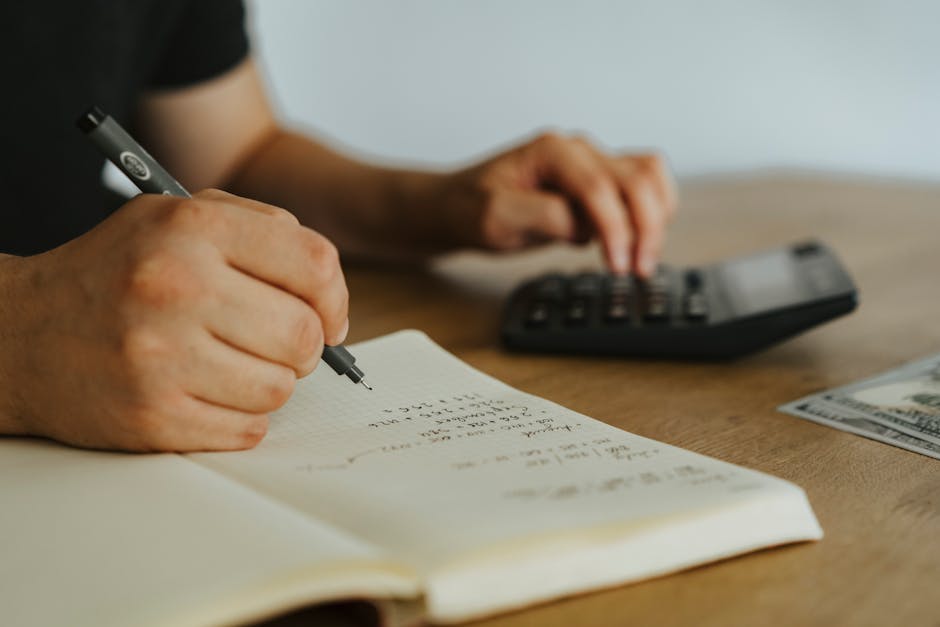
Maya’s first flip: a 3-bedroom ranch purchased for 135,000 with 28,000 in rehab. The ARV after updates was 210,000. Closing costs and selling fees totaled about 12,600. She financed the project with a private lender who covered 75% of the purchase price and rehab costs, with a 9% interest rate over 6 months. The result: a net profit around 34,000 after all expenses and holding costs. This single deal freed up capital for the next flip and gave Maya a proof-of-concept that fueled her confidence.
Six months later, Maya completed a second flip with similar economics: purchase 125,000; rehab 22,000; ARV 185,000; selling costs 11,000. Net profit landed around 28,000. Combined, these two flips added nearly 60,000 in profit in less than a year — a meaningful step toward a teacher six-figure real estate goal while keeping her day job intact.
Financing Essentials for the Quick Flip Formula
Understanding the financing options is the backbone of the quick flip formula. For teachers, the right mix of loans, credit, and cash flow matters more than chasing the perfect deal. Here’s a practical guide to financing that aligns with a busy schedule.
Private Money and Partnerships: Low Friction, Fast Closings
- Time to close: 10–14 days on a typical private loan, compared with 30–45 days for bank loans.
- Costs: expect points or a flat origination fee plus a modest interest rate. If you borrow 100,000 for 6 months at 9%, you’ll pay roughly 4,500 in interest (excluding points).
- Risk management: place a legal agreement that clarifies exit strategies and buyout terms to protect all parties.
Hard Money and Lenders: When Speed Wins
- Use hard money sparingly and for deals with clear exits. Expect higher fees and shorter terms, but you gain speed and flexibility.
- Interest compounds if you don’t close on time or default on the rehab timeline. Build a buffer in your budget.
- Always run the numbers: if rehab costs overrun by 15%, recalc ARV and confirm you still have profit after debt service.
Conventional Financing: When a Buy-Hold Strategy Fits
- Conventional loans aren’t typically used for fast flips, but a line of credit or blanket mortgage (for a portfolio) can support multiple flips and provide cash reserves.
- Tax implications: flips are generally treated as ordinary income, not capital gains, so plan for taxes and work with a CPA early.
Budgeting and Realistic Timelines
A practical flip budget keeps you from chasing emotion and ensures you can sustain a pace that yields consistent profits. Here’s a straightforward template you can adapt to your market.

| Line Item | Typical Amount (USD) | Notes |
|---|---|---|
| Purchase Price | 120,000 – 160,000 | Aim below 70% of ARV minus rehab |
| Rehab | 15,000 – 40,000 | Scope: cosmetic to light structural; contingency 10–15% |
| Selling Costs | 6% – 7% | Agent commissions, closing, staging |
| Holding Costs | 1,500 – 4,000 | Utilities, property management, insurance |
| Financing Fees | 2% – 6% | Interest, points, origination |
| Net Profit | 15,000 – 60,000 | Depends on ARV, rehab luck, market |
Tax, Time, and Trust: Building Longevity
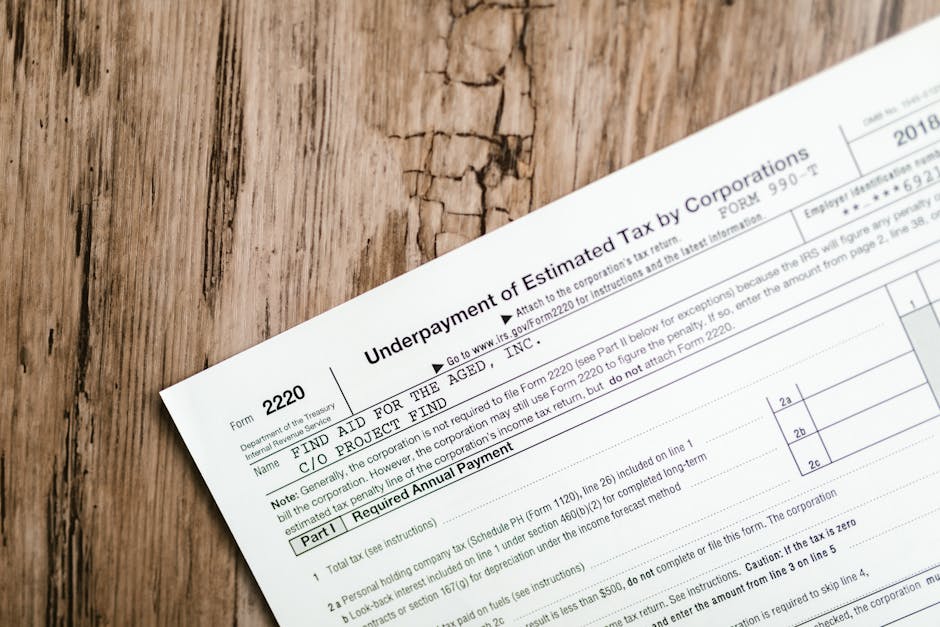
Beyond profit, consider what a flip does to your tax bill and your time. Flipping can be taxed as ordinary income, which means you’ll owe taxes at your marginal rate rather than long-term capital gains rates. That’s why many teacher-turned-investors structure flips through a business entity or partner with an accountant who specializes in real estate. The right structure can reduce taxes and preserve capital for the next deal.
Time management matters, too. If you’re balancing a full teaching load, you’ll need a team you trust. A reliable contractor, an organized real estate agent, and a lender who’s comfortable with a predictable timeline are your most valuable assets. The quicker you can close on a deal and deliver a rehab, the more flips you can fit into a year, edging closer to the teacher six-figure real estate milestone.
Frequently Asked Questions
FAQ
Q1: Is this realistic for teachers who want to stay in the classroom?
A: Yes. You can start part-time, using evenings and weekends to analyze deals, meet contractors, and manage paperwork. With a disciplined plan, you can reach a teacher six-figure real estate goal without quitting your day job right away.
Q2: How much money do I need upfront?
A: A modest starter you can realistically secure is 10–20% of the purchase price for a private loan or to cover the earnest money and initial rehab costs. In many cases, you can pair a private lender for the first 70–75% of the project with a line of credit for the rest, keeping your cash outlay manageable.
Q3: How long does a flip typically take?
A: Most cosmetic flips run 4–8 weeks for rehab, plus 2–4 weeks to market and close, depending on market demand and lender timelines. A well-run flip can be completed in 8–12 weeks from contract to closing if you have a reliable team.
Q4: What are the biggest risks?
A: Underestimating rehab costs, overruns in timeline, and market weakness after flip. Mitigate by building a contingency fund (10–20%), choosing modest, proven repairs, and staging pricing to attract quick offers.
Q5: What if I want to scale beyond one flip per quarter?
A: As you gain confidence and capital, add one more flip every 60–90 days. Use profits to fund the next round and consider creating a small portfolio with a line of credit to cover multiple projects at once.
Conclusion: Start Small, Think Big, Build a Real Estate Habit
Turning a teaching career into a teacher six-figure real estate journey is not about a single miracle deal. It’s about adopting a repeatable, disciplined system that fits your life. The quick flip formula — identify strong opportunities, finance with speed and prudence, and finish fast with a quality rehab and a smart sale — creates a pathway that many educators have used to add meaningful income while keeping their day jobs. With patience, a trusted team, and careful budgeting, you can convert classroom discipline into real estate success and reach a six-figure milestone sooner than you might expect.

Discussion