
headline Breaking Point: The Real Cost of Waiting on Housing
In March 2026, a wave of prospective homebuyers is choosing to sit on the sidelines, hoping for a clearer dip in rates and prices. The result isn’t just a delayed purchase; it’s a mounting bill in the form of higher rent and potential missed home-price gains. The simple math behind the decision isn’t easy, but it’s increasingly salient for households trying to balance debt, income, and family plans.
The core idea is straightforward but rarely appreciated in practice: waiting to time the market can be economically painful. While buyers weigh interest-rate trajectories, price trends, and macro signals, they may overlook the hidden cost that accrues regardless of which way rates move. That cost comes from two streams: ongoing rent payments and the chance to lock in price appreciation in a given market.
The Sideline Cost Framework
Experts describe a practical way to quantify the impact of staying out of the market: Sideline Cost = Accumulated Rent Paid + Missed Home Price Appreciation. It is a reminder that time itself is a cost driver in housing, not just a neutral backdrop for rate moves.
“When timing goes wrong: the longer you wait, the more your expenses compound,” says Maria Chen, a housing economist at UrbanEdge Analytics. “Rent rarely goes away, and home prices don’t stand still. The combination can erode what you thought were prudent gains from waiting.”
That dynamic is playing out as mortgage rates hover in a broad band and rents keep rising in many markets. The math isn’t theoretical here—families who delayed a purchase for a year or more could see a bigger gap between what they pay in rent and what they miss in price appreciation than any single rate move implies.
Current Market Context: Rates, Rents, and Prices in 2026
- Mortgage rate backdrop: 30-year fixed rates have fluctuated around the mid-to-high 6% range in early 2026, with occasional dips tied to quarterly inflation data and Fed commentary.
- Rent trajectory: national rents are up roughly 4% to 5% year over year, with some metropolitan markets running hotter due to supply constraints and shifting demand patterns.
- Home-price momentum: in many metros, price growth has cooled from the sprint seen in the 2020s, but still carries a premium over pre-pandemic levels in several neighborhoods that attract higher wages.
These conditions create a nuanced landscape for buyers. Even if rates wobble, the cost of waiting isn’t limited to a single metric. Rent is a real, recurring drain, while price appreciation—if it happens to accelerate—can compound the opportunity cost of delaying a purchase.
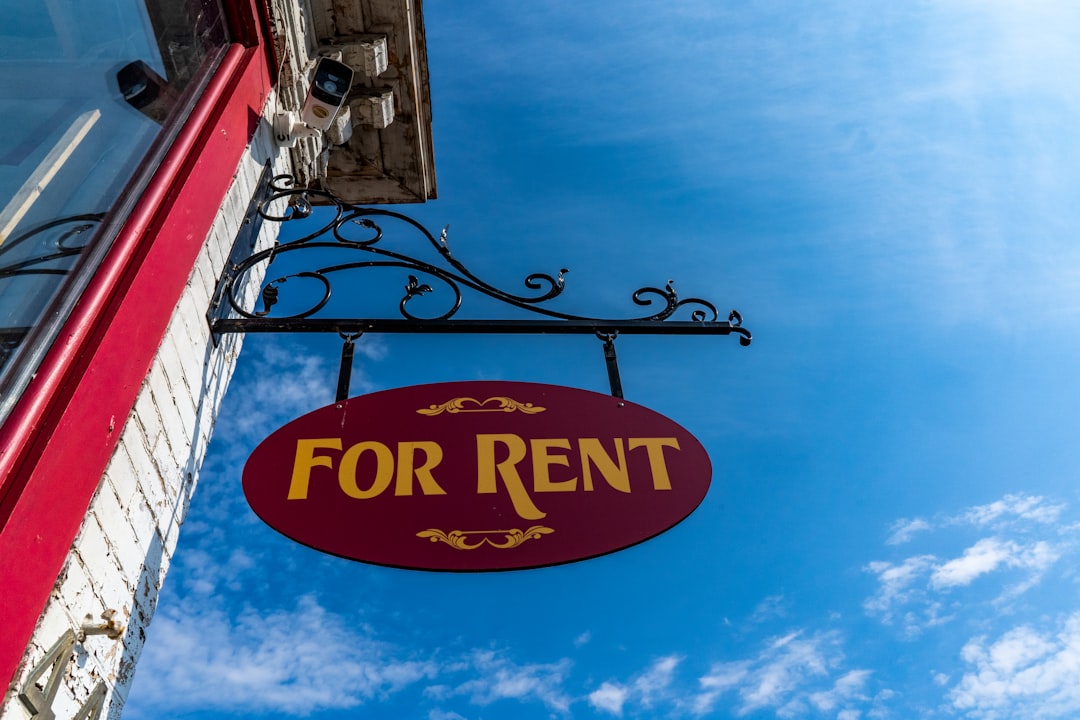
Two Realities Behind the Numbers
There are two sides to the story that buyers must consider in 2026:
- Macro uncertainty: a period of slower but persistent inflation, mixed job data, and varied regional housing cycles means there is no guaranteed windfall from waiting.
- Personal finance: employment stability, debt levels, and down-payment readiness influence whether a buyer can comfortably tolerate risk while staying on the sidelines.
“When timing goes wrong: patience becomes risk management when actual costs start to outpace perceived savings,” notes Daniel Rivera, a mortgage market analyst at Capital Vector. “The longer you wait, the more rent you pay and the more you may miss if home prices catch a second leg up.”
Case Studies: Real-Life Impacts of the Sideline Strategy
Consider two households in comparable markets who chose to wait at the start of 2025. One rented for 12 months while watching rates drift. The other entered a starter-home price band but faced a tighter budget due to higher mortgage insurance costs and a tighter debt-to-income ratio after a job transition.

- Family A: After 12 months of renting in a mid-sized coastal metro, their cumulative rent payments totaled roughly $28,000. If the same household had bought at the start of 2025, the price appreciation they missed in that market segment would have translated to several tens of thousands in incremental equity—assuming a modest 3% annual price rise.
- Family B: In a sunbelt suburb with rapidly rising rents, buyers who waited encountered a higher entry barrier: the combination of higher mortgage rates and larger down-payment gaps due to stronger price growth. For them, the gap widened even if price appreciation cooled later in 2025–early 2026.
These narratives aren’t universal, but they illustrate the practical consequences of the formula above. The decision to delay isn’t simply about predicting the next rate move; it’s about the ongoing costs that accrue every month you stay on the sidelines.
What This Means for Borrowers and Lenders
For borrowers, the takeaway is clear: quietly rising rents can erode the affordability advantage of waiting, while price gains, if they appear, may not compensate for the rent paid over the same period. Lenders are watching the trend too. Some banks are offering accelerated pre-approval programs and rate locks with flexible terms to reduce the fear of losing a favorable rate, hoping to shorten the window of analysis paralysis without encouraging reckless pacing into riskier loans.
Analysts emphasize that timing is not a binary choice between “buy now” or “buy never.” Instead, the path forward may involve a blended strategy: secure a rate lock that preserves options, explore smaller down-payment scenarios with solid income stability, and scrutinize neighborhood fundamentals—school quality, job growth, and supply trends—to identify markets where waiting costs are lower.
Policy Context and the Road Forward
Policy signals in 2026 continue to reshape affordability. Moderate-rate cycles, targeted down-payment support in high-cost markets, and improved lending guidelines for first-time buyers could influence decisions on both sides of the table. Governments and lenders alike are increasingly aware that the decision to wait has tangible consequences beyond the individual household, affecting community stability and longer-term housing supply dynamics.

Experts warn that the instinct to time the dip will remain potent. When timing goes wrong: the cost of hesitation can outpace the perceived benefits of waiting, especially for families with tight budgets and evolving housing needs. The only reliable safeguards are transparent planning, a clear personal budget, and an understanding that time itself is a price.
Practical Takeaways for 2026
- Run the numbers: calculate Sideline Cost = Accumulated Rent Paid + Missed Home Price Appreciation for your area and time horizon.
- Balance emotional and financial factors: a rate lock with options can reduce the risk of timing misfires.
- Focus on long-term value: consider not just the monthly payment, but the total cost of ownership and potential equity gains in your chosen market.
- Stay informed about market signals: even in a slower cycle, regional differences can create meaningful opportunities or risks.
Bottom Line
The housing market in 2026 is a study in contrasts: rates move in fits and starts, rents rise steadily, and buyers must weigh a moving target of costs. The adage about timing the market remains as relevant as ever, but the cost of waiting is no longer theoretical. When timing goes wrong: households pay in real dollars—month after month, year after year—through rent, missed appreciation, and the chance to build durable equity. For many, the smarter move isn’t a risky punt on predicting the next dip; it’s a disciplined plan that minimizes sideline costs while preserving options for the future.
Discussion