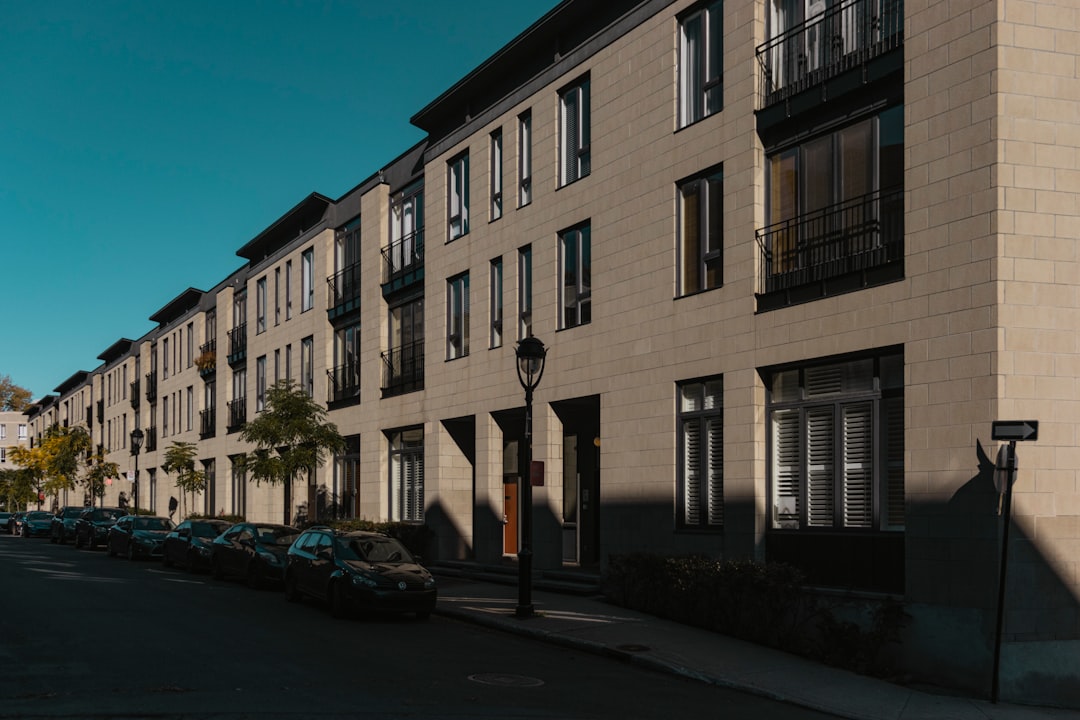
Introduction: The Cash-Flow Shift You Can’t Ignore
For years, rental investors treated single-family homes as the gold standard for long-term wealth. Then came the townhome boom. As a veteran personal-finance journalist with more than 15 years covering real estate and loans, I’ve watched the sector evolve from niche to mainstream. Today, townhomes are not just affordable entry points for first-time landlords — they’re reliable engines of cash flow that blend manageable maintenance with strong rental demand. If you’re evaluating deals in 2026, townhomes have quickly become a compelling choice for building steady income, diversifying a portfolio, and reducing some of the headaches that come with other property types.
Below, you’ll find a practical, numbers-backed guide to why townhomes have quickly become a top investment option, how to structure financing, and actionable steps you can take to start or scale a cash-flowing townhome strategy.
Why Townhomes Have Quickly Become a Top Investment Option
Several converging factors have pushed townhomes into the spotlight for cash-flow-focused investors:
- Affordability without sacrificing location. Townhomes often sit in high-demand neighborhoods near jobs, transit, and amenities, but with a lower entry price than many detached homes. This balance expands your buyer pool from the outset and can translate into steadier occupancy.
- Consistent demand and turnover predictability. Renters—especially Millennials and Gen Z—prioritize low-maintenance living. Townhomes offer a middle ground between a condo and a detached home, yielding predictable occupancy and predictable rent growth in many markets.
- Lower maintenance and fewer vacancy shocks. Shared walls and common areas in townhomes typically mean lower exterior maintenance costs than single-family homes. When a unit turns over, the community association handles landscaping and exterior upkeep in many cases, reducing a landlord’s seasonal workload.
- Effective scale for portfolio growth. If you’re building a rental business, townhomes can be added in clusters that share property management, maintenance crews, and vendors, driving down per-unit costs over time.
Market Dynamics Driving the Trend
To understand why townhomes have quickly become a cash-flow favorite, it helps to look at current market dynamics:
- Rents are rising in many regions. Even with today’s higher mortgage rates, rental demand remains robust in suburbs and up-and-coming cities where townhomes cluster near employment hubs.
- HOA structures can be favorable for investors. Many townhomes operate under homeowner associations that cover exterior maintenance, common areas, and landscaping, which can stabilize operating budgets and reduce capex surprises.
- Inventory and price discipline. In several markets, new townhome supply has kept price growth in check compared with luxury detached homes, making monthly payments more affordable for tenants and more predictable for lenders.
- Demographic tailwinds. Renters seeking flexible, low-commitment housing options favor townhomes, which offer privacy and street appeal without the burdens of a large yard or a home with high maintenance needs.
Financing Townhomes: How to Structure the Loan for Cash Flow
Financing is the linchpin of a profitable townhome investment. While every lender has its quirks, there are common patterns you’ll encounter when you pursue a loan for investment townhomes:
- Down payment expectations. Conventional investment-property loans typically require 15%–25% down, depending on your credit, income, and reserves. The more you put down, the better your rate and terms, and the more cushion you have if rents lag in a given month.
- Interest rates vs. primary residence. Expect higher rates on investment properties than on primary residences, often by 0.25% to 0.75% in most recent cycles. The difference reflects lender risk and the potential for vacancy turnover.
- Loan types that fit cash flow goals. Conventional fixed-rate mortgages, 5/1 or 7/1 adjustable-rate loans (if you plan to refinance or sell within a short horizon), and DSCR (debt-service-coverage ratio) loans are common for townhomes. DSCR loans are especially popular for investors who want to maximize cash flow without heavy emphasis on personal income documentation.
- Reserves matter. Lenders often want to see reserve accounts—six to twelve months of mortgage payments is a common rule of thumb. For a portfolio of townhomes, keep reserves in a dedicated rainy-day fund to cover vacancies and maintenance spikes.
Estimating Cash Flow: A Practical Scenario
Numbers win arguments. Let’s walk through a realistic example of a four-unit townhome property (a common model for investors) to illustrate how cash flow can look in practice. Note that this is a hypothetical scenario intended to demonstrate mechanics, not a guaranteed forecast.
- Property details: A quad-unit townhome in a growing suburban area, each unit 1,100 square feet, 3 bedrooms, 2 baths. HOA covers exterior maintenance, common areas, and landscaping.
- Purchase price: $1.2 million for all four units (typical in the current suburban markets).
- Down payment: 20% ($240,000).
- Financing: Conventional investment loan with a 6.5% fixed rate for 30 years, monthly payment approximately $7,650 (excluding HOA).
- Estimated rent: $2,900 per unit per month, or $11,600 total gross rent per month.
- HOA: $450 per unit per month, totaling $1,800 monthly for all four units.
- Taxes and insurance: $1,300 per unit per year in taxes and $350 per unit per month in insurance (aggregated to the cash-flow calculation).
- Maintenance and management: 8% of gross rent for property management plus 5% for maintenance, set aside for repairs and turnover.
Cash-flow calculation (monthly):
- Gross rent: $11,600
- Less: Mortgage payment: $7,650
- Less: HOA: $1,800
- Less: Property management & maintenance: ≈ $1,500
- Less: Taxes and insurance escrow: ≈ $1,150
- Estimated net cash flow: about $1,500–$1,800 per month
From a financing perspective, this scenario demonstrates how townhomes can deliver positive cash flow even when operating costs are non-trivial. The key is to model contingencies, not just optimistic rent growth. When you compare to single-family homes in the same market, townhomes often yield higher occupancy and steadier month-to-month cash flow thanks to community amenities that attract renters who value lifestyle and convenience.
Maintenance, HOA, and Operating Costs: What to Expect
Maintenance and HOA costs are a recurring consideration for townhomes. Here’s how to think about them and protect your cash flow:
- HOA fees can be both friend and foe. HOAs cover exterior maintenance, landscaping, and sometimes structural components. They’re a predictable monthly cost, but they can rise over time. Be sure to review the HOA budget, reserve funds, and special assessments before you buy.
- Maintenance is predictable but variable. Townhomes typically have fewer exterior projects than large single-family homes, but when a unit turns over, you’ll still incur interior repairs, paint, and appliance replacements. Budget for turnover at 5–10% of gross rents per unit per year as a conservative rule of thumb.
- Capex planning matters. Reserve funds should cover major components (roof, mechanical systems, common area improvements). A common practice is to set aside 3–5% of gross rents annually for capital expenditures.
- Property management impact. If you outsource management, you’ll pay 8–12% of gross rents, but you’ll gain professional screening, quicker turnover, and centralized vendor relationships that reduce per-unit repair costs.
Strategies to Maximize Cash Flow with Townhomes
Beyond buying right, there are practical strategies to push cash flow higher when you own townhomes:
- Strategic selection of markets. Look for towns with growing employment bases, good school districts, and limited new townhome supply. Markets with rising rents and stable vacancy rates tend to deliver stronger cash-on-cash returns.
- Bundle deals to gain efficiencies. Acquiring two or more adjacent units or a small townhome complex can unlock management, maintenance, and vendor savings that improve unit economics.
- Optimize rent pricing with data. Use live market data, not historical anecdotes, to set rents. Price slightly ahead of comps for high-demand neighborhoods and be ready to adjust quickly if vacancy rises.
- Leverage tax benefits responsibly. Depreciation, mortgage interest deductions, and HOA write-offs can improve after-tax returns. Work with a tax professional to optimize cash flow after tax.
- Consider blended financing. If you can secure favorable terms on a primary residence loan and then finance a separate townhome purchase with a DSCR loan, you may optimize overall portfolio leverage while protecting cash flow.
Risk Management: What Could Disrupt the Cash Flow?
Every investment carries risk, and townhomes are no exception. Here are the main risk factors and practical mitigations:
- Rising interest rates. Higher financing costs can compress cash flow. Mitigation: lock in longer-term rates when reasonable and maintain ample reserves.
- JOAs and special assessments. Some HOAs impose special assessments for major repairs. Mitigation: review reserve studies, negotiate price adjustments, and diversify across markets with strong HOA governance.
- Vacancies in soft markets. Prolonged vacancies can erode cash flow. Mitigation: maintain a robust tenant screening process, responsive maintenance, and flexible lease terms (e.g., 12-month leases with renewal incentives).
- Maintenance surprises inside units. Appliances or HVAC failures can be costly. Mitigation: budgets for turnover, service contracts, and pre-approved local vendors with negotiated rates.
Scaling with Confidence: When Townhomes Make More Sense Than Other Options
So where do townhomes fit in a mature rental portfolio? If you crave steady cash flow, modest maintenance, and capable management, they often outperform risk-adjusted returns in the medium term when compared to ultra-low-maintenance condo investments or high-maintenance single-family homes in saturated markets. Specifically, townhomes have quickly become a practical blend of cost control, demand stability, and scalability that suits both solo operators and growing rental funds.
For investors who want to blend yield with risk management, townhomes offer:
- Better rent-to-price alignment in many markets than condos, where HOA risk and special assessments can squeeze cash flow.
- More predictable maintenance calendars than standalone homes, with the HOA handling exterior elements in many properties.
- Opportunities for portfolio diversification by geography without overpaying for entry into high-cost markets.
Conclusion: Townhomes Have Quickly Become a Core Element of Cash-Flow Portfolios
The idea that townhomes have quickly become a top investment option isn’t about flashy headlines; it’s about durable economics. They strike a balance between price, demand, and maintenance that suits both new investors and veterans seeking steady returns. With thoughtful financing, disciplined budgeting for HOA and maintenance, and a data-driven approach to pricing and leasing, townhomes can deliver reliable cash flow while delivering meaningful diversification for your rental portfolio.
FAQ
Q1: Are townhomes better for cash flow than single-family homes?
A1: In many markets, townhomes offer better cash-on-cash returns than stand-alone single-family homes because of lower maintenance costs, stronger rental demand from renters seeking convenience, and potential savings from shared HOA and management structures. However, it depends on local price dynamics, HOA fees, and vacancy rates. Always run the numbers for your target market.
Q2: What loan types are best for investment townhomes?
A2: Conventional fixed-rate loans, DSCR loans, and portfolio or community bank loans are common. Down payments typically range from 15% to 25%, with rates higher than primary residences. Consider 5/1 or 7/1 ARMs if you plan a shorter hold period and want to optimize initial cash flow. Talk to at least three lenders to compare terms and reserve requirements.
Q3: How do HOA fees affect townhome cash flow?
A3: HOA fees are a predictable monthly cost that can stabilize or disrupt cash flow depending on the size of the fee and what it covers. Always review the HOA’s reserve study and projected assessments. If HOA dues spike, you may need to adjust rents or improve energy efficiency to maintain margins.
Q4: How should I estimate cash flow for a townhome investment?
A4: Start with gross rents, subtract debt service, HOA, taxes/insurance, and management/maintenance. Add vacancy and capex reserves, then test scenarios with higher interest rates or vacancies. A solid rule of thumb is to aim for a minimum 6–8% cap rate and a 10–12% cash-on-cash return in markets with strong demand.
Discussion