Introduction: A Realistic Path to Selling on Amazon FBA
Many people dream of turning a simple idea into a steady stream of online sales. Amazon FBA (Fulfillment by Amazon) can help you reach millions of shoppers without needing your own warehouse. But the path to profitability is not magic or a shortcut. It requires careful planning, realistic expectations, and steady execution. This guide walks beginner sellers through the essentials of Selling on Amazon FBA: A Realistic Beginner's Guide, with practical steps, real numbers, and clear tips you can use today.
What Amazon FBA Really Is (and Isn’t)
FBA means you send your inventory to Amazon's warehouses. They store it, pick and pack orders, ship to customers, handle returns, and provide customer service. You, the seller, focus on product ideas, sourcing, listings, and growth. This model helps you offer Prime shipping and scale quickly, but it also comes with costs and rules. Understanding the economics upfront helps you avoid surprises later.
Key benefits for beginners
- Prime eligibility and trust signals for buyers
- Hands-off fulfillment after sending inventory
- Access to Amazon’s huge customer base
- Support for returns and customer service handled by Amazon
Common misconceptions to avoid
- FBA guarantees immediate profits. It usually takes time to recoup startup costs.
- All products are equally easy to sell. Demand, margins, and competition vary widely by category.
- Advertising alone will make you rich. Marketing helps, but margins must cover costs first.
Step 1: Understand the Costs and the Economics
Profit on Amazon FBA comes from intrinsic margins: selling price minus the cost of goods, Amazon's fees, and any advertising or storage costs. A realistic plan starts with a simple cost model you can repeat for any product idea.
Typical FBA fees you should know
| Fee type | What it covers | Typical range (varies by size/weight) |
|---|---|---|
| Referral fee | Amazon charges a percentage of the item price | Approximately 15% for most categories |
| Fulfillment fee | Picking, packing, and shipping to the customer | Standard size: around $3 to $5 per unit; heavier/oversized items higher |
| Storage fee | Monthly storage at Amazon warehouses | Typically per cubic foot; varies by month and size of item |
| Long-term storage fee | Charged for inventory in storage over 365 days | Higher rates to discourage slow-moving stock |
| Returns and inspection | Handling returns and restocking | Often included in fulfillment or as a small fee |
Example calculation for a hypothetical product
- Sale price: $19.99
- Cost of goods (COGS): $4.00
- Referral fee (15%): $3.00
- Fulfillment fee: $4.50
- Storage (monthly, estimated): $0.50
Estimated monthly profit per unit (before marketing and returns): $19.99 - 4.00 - 3.00 - 4.50 - 0.50 = $8.99. If you sell 200 units in a month, rough profit before taxes and other costs would be about $1,798. Keep in mind marketing spend, packaging, and potential returns can lower this number.
Step 2: Find a Realistic Product with Solid Margins
Product selection is the heart of your Amazon journey. Choose items with durable demand, simple packaging, and a price that leaves room for Amazon fees and your marketing spend. Start small and learn fast. Here are practical criteria to guide your search:
- Price range: $15–$40 typically keeps fees manageable while still appealing to buyers.
- Cost of goods: Aim for 25–40% gross margin after all Amazon fees to leave room for ads and promotions.
- Competition: Moderate competition is better than high. Look for underexploited niches.
- Weight and size: Lightweight items with compact packaging reduce fulfillment and storage costs.
- Seasonality: Start with non-seasonal items to avoid sales dips during holidays.
Real-world example: A product idea we can grow with
Consider a compact kitchen gadget priced at $24.99, costing $5 to source. If the total FBA fees (referral plus fulfillment) come to about $6.50 per unit and storage averages 0.60 per month, the unit economics look like this:
- Gross margin after COGS: 24.99 - 5.00 = 19.99
- Subtract fees: 19.99 - 6.50 = 13.49
- Estimated monthly storage: 0.60
- Estimated net per unit: around 12.89
If you plan to stock 1,000 units over a few months, you can model revenue and cash flow, which helps you decide how much to invest at launch. Realistic tests and conservative budgets beat hype and debt.
Step 3: Sourcing and Vetting Suppliers
Reliable sourcing is critical. Start with tried-and-true platforms, verify factories, and obtain samples before committing. The goal is to reduce risk of defects, delays, or counterfeit goods that can tarnish your seller profile.
- Use reputable suppliers with solid communication records and verified business licenses.
- Order samples to inspect quality, packaging, and labeling.
- Ask for a pro forma invoice, lead times, MOQs, and payment terms.
- Check production times and shipping methods to align with Amazon’s inventory needs.
- Consider a small initial order to test demand before larger purchases.
Step 4: Brand, Listing, and Image Optimization
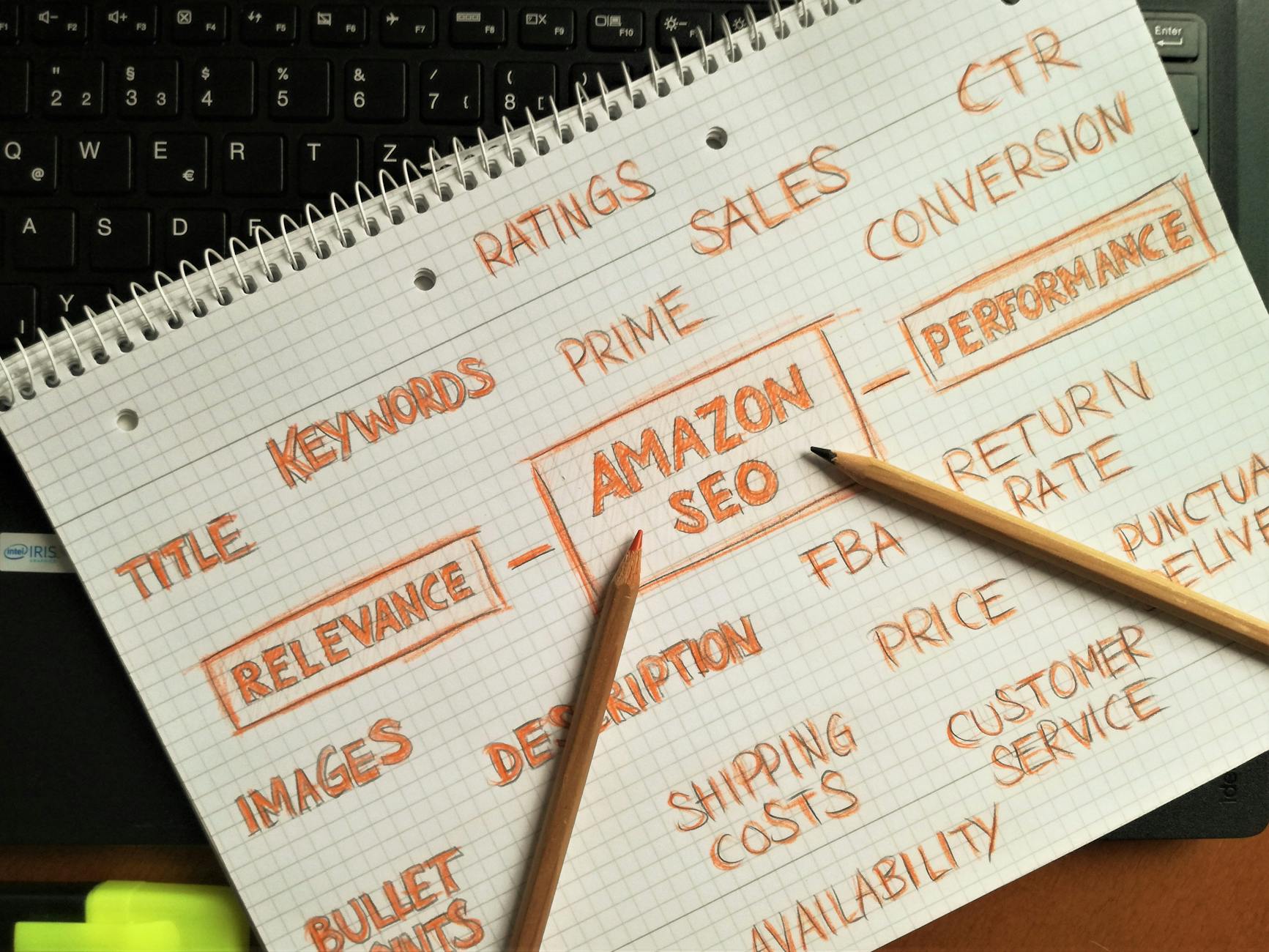
Your product listing is your storefront online. A strong listing converts shoppers into buyers. Focus on clarity, benefits, and trust-building elements. A well-optimized listing typically includes a compelling title, bullet points that address customer pain points, a detailed product description, and high-quality images.
Elements of a high-converting listing
- Product title: clear, keyword-relevant, and within 80–160 characters depending on category
- Five bullet points: highlight top features, benefits, and use cases
- Product description: expand on the bullets with practical details
- Images: at least 3–5 lifestyle and diagram shots; 1 image with dimensions or measurements
- Keyword relevance: naturally integrate search terms without keyword stuffing
Step 5: Set Up Your Amazon Seller Account and Create Listings
Setting up your seller account is the gateway to selling. Choose the right plan, set up tax information, and connect your payment methods. Then create your product listings using your optimized content. If you have a brand, consider enrolling in Brand Registry to unlock enhanced features.
Quick setup checklist
- Choose Individual or Professional seller plan (Professional is recommended for growth)
- Input business information and tax details
- Set up a bank account and tax information interview with Amazon
- Create product listings with optimized titles, bullets, and images
- Prepare and ship inventory to Amazon fulfillment centers
Step 6: Launch Your Product and Build Early Momentum
A successful launch combines visibility, pricing, and a modest advertising push. The early weeks set the tone for Amazon’s algorithm to rank your product.
- Off-er pricing: consider a modest launch discount to drive initial sales
- Amazon PPC (pay-per-click) campaigns: start with a small daily budget
- Optimize for conversion: monitor your conversion rate and adjust titles and bullets if needed
- Monitor reviews: respond professionally and address issues promptly
Step 7: Inventory Management and Cash Flow
Cash flow is the lifeblood of a growing Amazon business. Keep a close eye on stock levels, reorder points, and cash reserves for the next round of inventory. Understocking can lead to sales lost to the competition; overstocking ties up cash in warehousing and increases storage fees.
- Set a reorder point based on lead time and sales velocity
- Keep a cash buffer for at least 2–3 months of operating costs
- Track your unit economics per product to identify the most profitable items
Common Challenges and Realistic Expectations
Even with a solid plan, beginners face challenges. Here are common realities and how to handle them:
- Capital requirements: Initial inventory and advertising costs add up. Plan with a conservative budget and expect a 2–4 month runway before hitting strong profits.
- Competition: Expect established listings. Differentiate with unique bundles, better images, or a niche focus.
- Fees eat into margins: Fees are a fact of life in FBA. Always build margins for these costs in your pricing strategy.
- Policy changes: Amazon updates rules from time to time. Stay informed and adapt quickly.
Realistic Timeline to Profitability
Profitability varies by product, niche, and execution. A modest, well-researched first product might reach profitability within 3–6 months if you manage inventory, keep costs under control, and invest in a thoughtful launch. For some sellers, it takes longer; for others, success comes sooner with a strong product-market fit and efficient marketing.
Money-Saving Strategies and Efficiency Tips
Every dollar saved on costs increases your margin. Try these strategies:
- Negotiate with suppliers for better MOQs or unit prices after a few orders
- Bundle products to raise perceived value and simplify listing management
- Use bulk packaging to reduce per-unit packaging costs
- Optimize PPC campaigns by pausing non-performing keywords and lowering bids
- Enroll in Amazon's promotions and deals program selectively to boost visibility
Practical Tips for Long-Term Success
- Keep product quality consistent and manage your supplier relationships closely
- Protect your brand with clear packaging and strong product imagery
- Monitor customer feedback and use it to improve products and listings
- Stay compliant with Amazon policies to avoid account suspensions or list removals
Frequently Asked Questions
Q1: What is Amazon FBA and how does it work?
A1: FBA means you send inventory to Amazon warehouses. Amazon handles storage, packing, shipping, and customer service. You focus on sourcing, listing optimization, and growth.
Q2: How much money do I need to start?
A2: Start-up costs include inventory, shipping to Amazon, labeling, and a small advertising budget. A conservative starter budget often ranges from a few hundred to a few thousand dollars depending on your product and goals.
Q3: When will I be profitable?
A3: It varies. Some beginners break even in 1–3 months with careful planning; others take 4–6 months or more. The key is to manage costs, test products, and scale gradually.
Q4: What are the biggest risks?
A4: Incorrect product selection, supplier issues, high returns, and rising advertising costs. Do thorough due diligence, diversify slowly, and maintain reserves.
Conclusion: Your Realistic Path to Success
Selling on Amazon FBA offers a powerful route to scalable income, but it is not a get-rich-quick scheme. With careful product selection, solid supplier relations, an optimized listing, and disciplined cash flow management, you can build a sustainable business. Start small, learn from each shipment, and gradually expand your product line.
If you found this guide helpful, consider subscribing to our newsletter for ongoing tips on product research, listing optimization, and profitable growth strategies. You can also reach out for personalized guidance on choosing your first product and setting up your launch plan.
Call to Action
Ready to take the first step? Identify a short list of 3–5 potential product ideas, estimate the per-unit profitability using the model in this guide, and pick one to test with a small initial order. Document your plan, set a launch date, and track your results weekly. The journey starts with a single, informed decision.




Discussion