Lead: A Strike That Could Stall An AI Pipeline
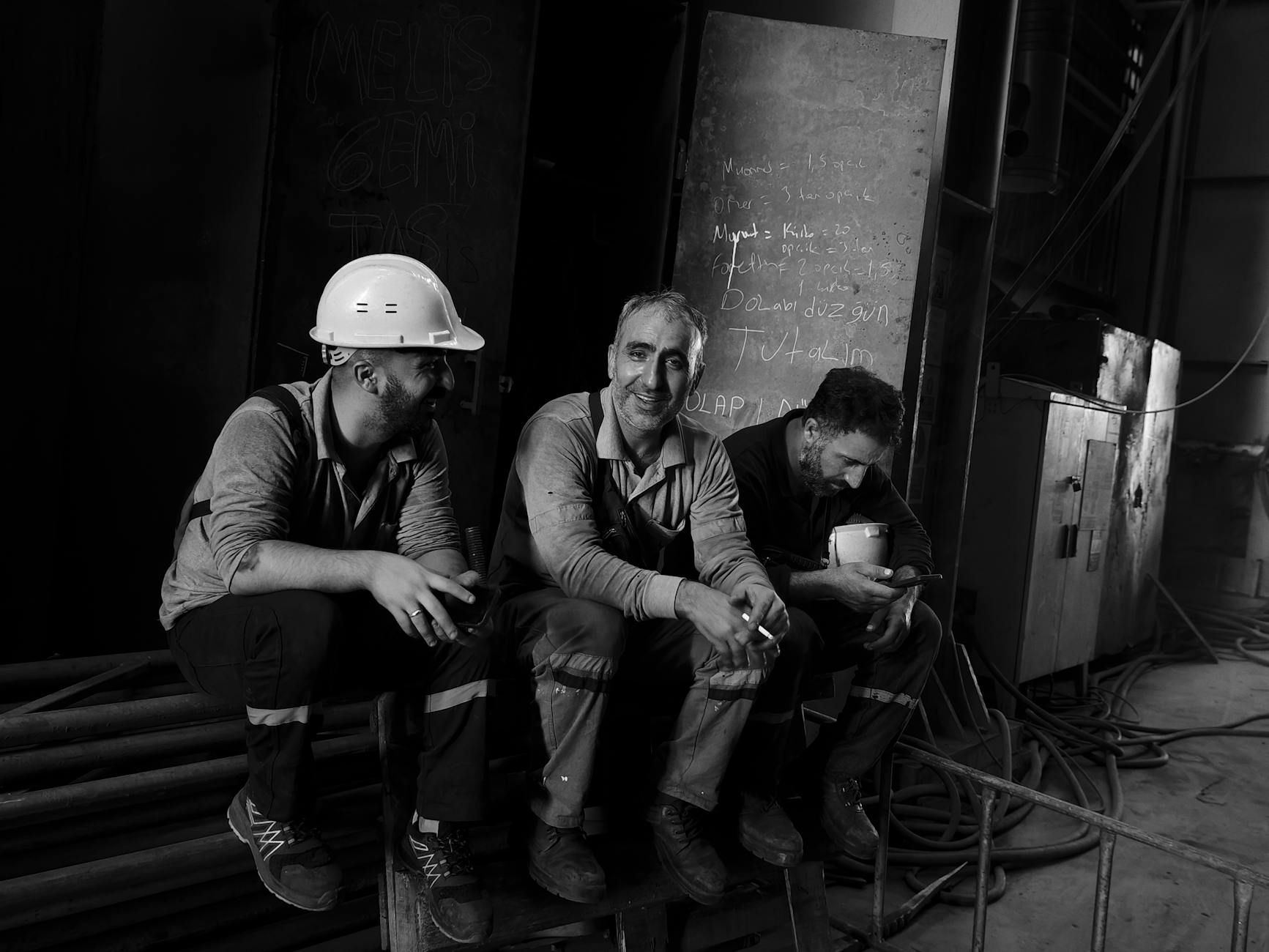
May 17, 2026 — A looming 45,000-person labor strike samsung’s memory plants threatens to tighten a crucial choke point in the AI supply chain. If workers walk off on May 21 and remain away for 18 days, memory shipments powering servers, cloud data centers and edge devices could slow, raising costs for AI builders and hardware vendors alike.
Analysts say the event would be the most consequential disruption the semiconductor sector has faced in years, not just for Samsung but for the broader AI ecosystem that leans on DRAM and memory chips for speed and scale. The strike would test the industry’s ability to weather a bottleneck at a time when memory demand from AI and data-intensive workloads is accelerating globally.
What is at stake for AI infrastructure
Memory chips sit at the core of modern AI systems. DRAM provides the fast memory that feeds GPUs and CPUs, while high-bandwidth memory, a newer class of chips, powers the kind of rapid data movement AI models require. Samsung, alongside Korea rival SK Hynix and Micron in the United States, makes up a large share of the world’s DRAM and HB memory supply. In practice, that means a prolonged disruption from Samsung would ripple through hyperscale data centers, cloud services and AI accelerators used by businesses and researchers alike.
Industry observers note that the AI boom relies not only on compute accelerators but also on the memory that stitches those accelerators to large datasets. Without a steady flow of memory components, even the most powerful GPUs can sit idle. Samsung’s global footprint in memory fabrication makes any interruption particularly consequential.
The strike dynamics and the two sides
The planned action centers on May 21, with workers expected to be away for about 18 days. The union is pursuing a mix of wage growth and profit sharing, arguing that profits have surged alongside chip prices and demand for AI-capable hardware. A union spokesperson said the goal is to secure a longer-term share of corporate success and protections around job security in a volatile market.
The company, for its part, has signaled a willingness to negotiate but cautions that a complete shutdown would be expensive for all sides and could force contingency measures that shift workloads and supply somewhat but not fully avert disruption. A Samsung spokesman noted the firm’s intent to keep customer impact as minimal as possible while it seeks a fair, sustainable agreement.
Negotiations, demands and possible outcomes
- Proposed terms from the union include wage growth and profit-sharing tied to operating profits, with a framework meant to last for years.
- The union is seeking protections around job security as automation and pay scales evolve across the memory unit.
- Samsung has offered inflation-linked wages and a phased approach to bonuses, emphasizing ongoing talks and the importance of preserving production momentum.
- Industry observers warn that even a temporary work stoppage could push lead times higher and lift memory prices in the near term.
Analysts caution that this is not simply a wage dispute. It sits at a pivotal moment when AI demand is driving capex in chipmaking and memory fabrication, making the outcome highly material for the AI equipment ecosystem.
Market impact and near-term outlook
If the 45,000-person labor strike samsung’s goes forward and lasts through mid-June, the immediate effect would likely be tighter memory supply for AI workloads and consumer devices alike. Memory suppliers often respond by accelerating shipments from existing stock or shifting production to other lines, but capacity constraints at a single, integrated memory platform can still create a bottleneck that reverberates through cloud services and enterprise data centers.
Early analyst notes estimate that daily DRAM shipments could tighten by a few percentage points if the strike endures for the full 18 days. In a market where memory prices have already shown volatility depending on factory status and demand surges, the risk is that prices rise briefly as buyers scramble to secure allocation.
Hyperscalers and AI developers may try to hedge against disruption by diversifying suppliers, but Samsung and SK Hynix together provide a large portion of memory that powers AI chips and servers. If our scenario unfolds, buyers could see a backstop from Micron and other producers, yet the global memory market would still feel the strain of a major labor stoppage at Samsung’s facilities.
What investors and policymakers are watching
Investors are closely monitoring signs from both the company and the union, as well as any public statements about contingency plans. A prolonged disruption could reverberate through semiconductor indices and memory-focused stocks, adding volatility to markets already reacting to AI deployment milestones and regulatory deliberations on tech supply chains.
Analysts caution that the relationship between labor costs, corporate profits, and technology cycles is complex. Yet even a short interruption in memory production would underscore how closely the AI boom is tied to the health of a handful of memory producers, including Samsung.
Quotes from the people closest to the dispute
Union spokesperson Park So-yeon: The members have earned their share of success, and we expect a fair framework that rewards hard work and preserves jobs as the industry grows around AI and data services.
Samsung spokesperson Kim Ji-Hoon: We remain committed to a constructive dialogue and to maintaining reliable supply for customers. We are ready to adapt operations to minimize disruption while negotiating in good faith.
Independent analyst Lee Sung-hyo: If the strike proceeds, expect a temporary tightening of memory supply and a brief impact on memory price curves. The real test will be how quickly both sides can reach a sustainable agreement that aligns incentives with long-term production needs.
Key data at a glance
- Strike start: May 21, 2026
- Duration targeted: 18 days
- Workers involved: about 45,000
- Knitted into AI supply chain: memory chips, including DRAM and high-bandwidth memory
- Company status: major global memory supplier with significant AI-era capacity expansion plans
Bottom line
The looming 45,000-person labor strike samsung’s would test how tightly AI’s hardware backbone is woven into a single industry body. A swift, fair agreement would protect the AI timetable and help keeps data centers humming, but a longer disruption could ripple through memory prices, server lead times, and the broader market mood. As May 21 approaches, investors, tech buyers and policymakers will watch closely to see how quickly employees and management can bridge their differences and keep the AI boom moving forward.


Discussion