
Lede: NASA shifts lunar plans after a Blue Origin failure
A Blue Origin rocket suffered a dramatic engine failure during a test at Cape Canaveral on May 28, 2026, temporarily grounding the company’s New Glenn launch schedule. The blast hits as NASA narrows its path to return humans to the Moon, leaving SpaceX as the most likely partner to meet the agency’s Artemis timetable.
The immediate fallout is clear: a Blue Moon lunar lander flight, previously poised to ferry NASA payloads and potentially astronauts to the lunar surface, is now on hold as investigators review the cause. While no people were aboard, the incident complicates a multi-year, multi- contractor effort to establish a sustainable presence on the Moon.
What happened and who is affected
The explosion occurred during a high-energy engine firing at the launch site, a routine test intended to validate propulsion for a planned satellite mission next week. Blue Origin has not yet determined a root cause, and the company said it will pause flight activities until the investigation yields answers. In the meantime, the ground test assets and the New Glenn vehicle are under review by U.S. space regulators and internal safety boards.
The impact ripples through NASA’s Artemis program, which depends on a modular approach: the Orion crew capsule, the Space Launch System to reach orbit, and a separate lunar lander to deliver astronauts to the surface. With the New Glenn now sidelined, NASA’s leadership has signaled a sharper focus on alternatives that can still meet the agency’s ambitious schedule for crewed lunar operations.
In the fallout after blue origin rocket blast, NASA’s Artemis timeline faces renewed risk. Officials say the agency will reassess contractor readiness, supply chain reliability, and contingency options before committing to a revised flight sequence. The goal of a sustainable, long-term lunar presence remains intact, but the path to get there is being recalibrated in real time.
NASA’s lunar roadmap under pressure
The Artemis plan relies on a blend of in-house capabilities and private-sector partnerships. The Orion capsule has demonstrated the capability to carry astronauts around the Moon, and Space Launch System rockets have lined up to deliver crews to orbit. The missing link has always been a lunar lander that can operate with the Orion–SLS stack.
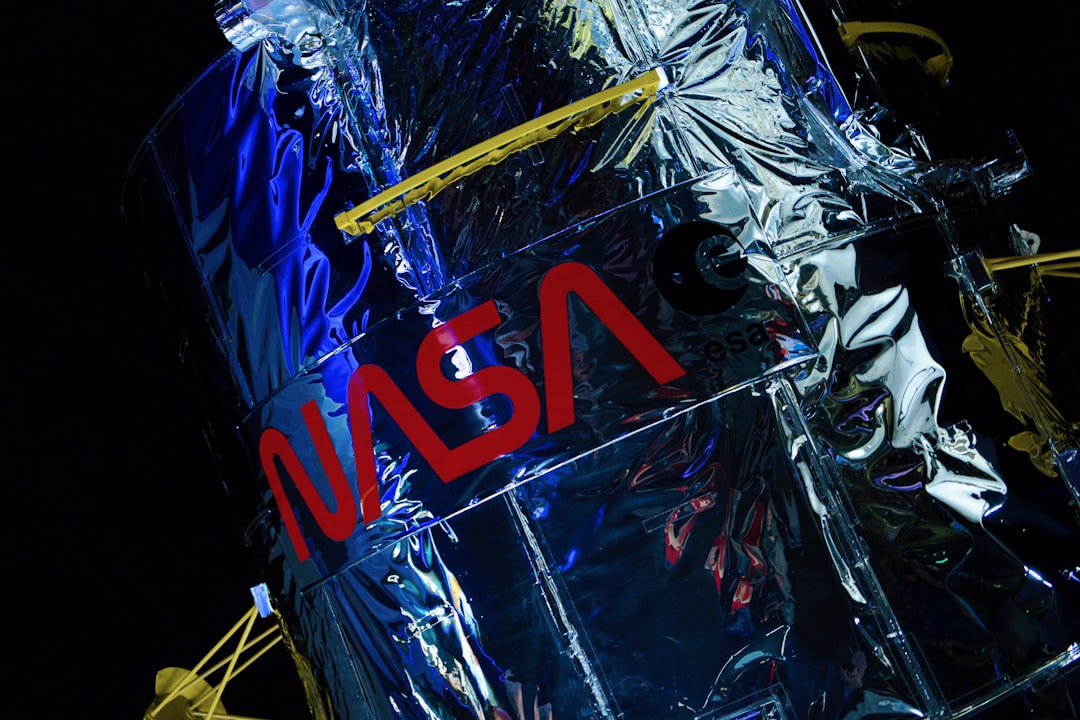
Prior to the accident, NASA had started awarding contracts for the lander portion of the mission. Blue Origin had earned a contract for the Blue Moon lander, with targets for this fall. The explosion now places that plan in jeopardy and increases the uncertainty around which company, if any, will supply the lander in the near term.
Analysts note that the lunar landing sequence is a multi-year effort that hinges on several moving parts, including propulsion systems, landing gear, surface mobility, and precise docking interfaces. The latest setback underscores how delicate the supply chain for lunar hardware can be, and how quickly a single failure can ripple through the entire timetable.
SpaceX rises to the center of NASA’s options
SpaceX has long been viewed by NASA as a flexible, cost-conscious contractor capable of delivering rapid innovation. With Blue Origin temporarily out of the running, SpaceX’s Starship variant remains the leading contender for a lunar landing solution. NASA officials have repeatedly signaled a preference for a single, capable lander that can work in concert with the Orion capsule and other elements of the Artemis program.
However, SpaceX is more than a contractor—it's also the focus of investor attention. The company has been signaling an IPO in the coming year, an event many market participants expect could redefine private-public collaboration in space exploration. If SpaceX proceeds with a public listing, the stock-market rally around the SpaceX IPO could influence project funding, influence personnel decisions, and affect how NASA negotiates future contracts.
“The shift to SpaceX as the primary near-term partner changes not only NASA’s risk calculus but also the private equity and retail investor view of space capability,” said Dr. Lena Ortiz, a space-policy analyst. “If SpaceX moves forward with a relatively smooth IPO, it could accelerate the industry-wide push to bring lunar hardware into a more commercial, scalable model.”
Market and investor implications
Markets are watching the technical fallout and the policy decisions that follow. A SpaceX IPO, if launched, would be one of the biggest tech debuts in recent years and could draw dollars away from other space-related ventures. For personal investors, the potential IPO presents both opportunity and risk: a direct exposure to a space-exploration powerhouse, paired with the volatility typical of pre-IPO and growth-stage tech firms.
Industry insiders caution that a SpaceX IPO would still require regulatory clearance, financial disclosure enhancements, and a clear path to profitability beyond government contracts. Still, the prospect reshapes how people think about long-term investments linked to space infrastructure and lunar exploration.
What this means for Artemis and the Moon mission timeline
NASA officials stress that the lunar program can still meet its objective of returning astronauts to the Moon within this decade, but the route is now more uncertain. Possible adjustments include relying more heavily on alternative lander designs, re-sequencing flight demonstrations to reduce risk, and extending certain ground-test windows to validate new hardware configurations.

The agency has underscored that safety, reliability, and mission success remain top priorities. If SpaceX does secure the primary lunar-lander role, NASA would need to align the Starship variant with its docking interfaces and surface operations, ensuring a seamless integration with Orion’s in-space timeline and ground-support capabilities.
Key dates and data at a glance
- Date of incident: May 28, 2026
- Location: Cape Canaveral, Florida
- Rockets involved: Blue Origin New Glenn; Blue Moon lander in testing phase
- Immediate NASA consequence: Grounding of Blue Moon-related activities; review of lunar-surface schedule
- Primary alternative: SpaceX Starship-based lunar lander candidate
- Market context: Investors eye a potential SpaceX IPO in the next 12–18 months
- Analyst ranges for SpaceX IPO value (speculative): roughly $150B–$250B
- Key policy questions: How NASA will allocate lander contracts and ensure schedule integrity across contractors
Bottom line for investors and the public
The explosion a Blue Origin rocket test has shifted the center of gravity in the space race from two private giants toward SpaceX, at least in the near term. For NASA, the priority remains a safe, reliable path to a sustainable lunar presence; for investors, the immediate questions are about timing, contract structures, and the feasibility of a public SpaceX that can sustain a multiyear, high-cost lunar program while delivering on growth expectations.
As the situation unfolds, personal-finance readers should watch how these developments influence space-related equities, private investment flows, and the broader risk profile of portfolios tied to government-funded science and technology. The coming weeks will reveal how quickly NASA can adapt its Artemis plan and whether SpaceX’s corporate and financial dynamics can support a major IPO alongside a pivotal lunar mission.


Discussion