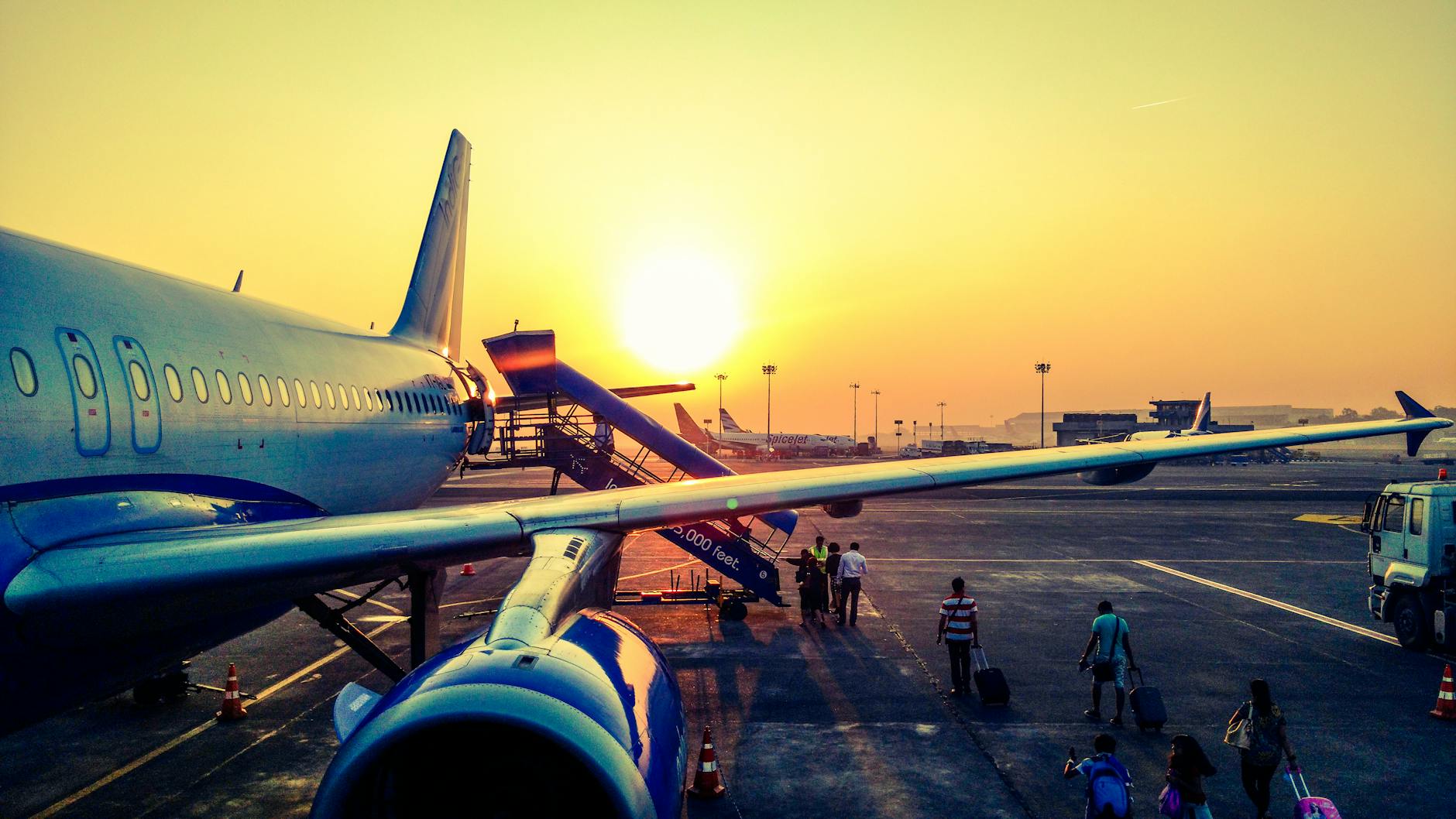
In April 2026, corporate travel budgets faced a sharp new hurdle: airfare surged around 15% as fuel costs climbed past the $4-per-gallon mark, accelerating a shift in how companies authorize trips. The pressure isn’t a collapse in demand, but a reallocation of spend and a tighter cap on how many trips get approved.
What SAP Concur Data Reveals So Far
New numbers from SAP Concur, which processes travel and expense data for millions of business travelers worldwide, show a clear energy tilt in early 2026. Fuel transaction costs jumped 14% from February to March, leaping from $50 to $57. In the same window, airfare rose about 4%, hotels up 5%, and car rentals up 3%. The energy squeeze was already in motion before the major price spikes hit the headlines.
As energy costs intensified, the broader travel picture began to tilt toward efficiency. The data illustrates a critical point: rising fuel prices don’t automatically dampen travel demand. They push firms to recalibrate their itineraries and supplier mix to stay within budgets.
“If airfare goes up by 15% to 20%, budgets must be trimmed accordingly to stay on track,” said Charlie Sultan, president of SAP Concur Travel. “We’re not seeing a collapse in travel demand; we’re seeing fewer trips within the same overall spend.”
Costs Across the Board: What Jumping Fuel Means for Budgets
April delivered a telling snapshot: domestic airfares rose roughly 15%, while fares to the United Kingdom climbed about 17–18%. Travel to and from the Middle East fell by 30–40%, underscoring how regional price signals influence booking behavior and risk assessments for global teams.
Budget planners say the story isn’t “less travel” in the aggregate; it’s “more constrained travel.” Firms are often paying the same overall amount, but with fewer trips on the calendar and a greater reliance on mix-and-match travel options that optimize cost and time.
Shifts in How People Get There: Modes and Destinations Pick Up Steam
- Car rentals dropped about 4% in Q1 as travelers pivoted to more energy-efficient decisions or alternative transportation.
- Rail bookings rose around 6%, particularly in Europe, where trains became a more cost-effective way to cover short and mid-range trips.
- Domestic airfares rose roughly 15% in April, while international routes experienced more pronounced price moves depending on region and fuel exposure.
European clients, in particular, showed a notable tilt toward rail, driven by both cost considerations and sustainability goals. Still, the core need to move people for meetings and project work kept overall travel volumes relatively steady, even as the exact trips shifted.

Budget Strategy Moves: Travel Teams Adapt in Real Time
Travel managers are layering approvals with stricter cost controls and more granular pre-trip planning. Firms are increasing reliance on virtual options where feasible and negotiating more flexible terms with suppliers to absorb price volatility without derailing critical work.
Analysts say the current mix—airfare 15%, past concur, and rising energy costs—acts as a budget shock but not a demand shock. The emphasis is on efficiency, routing, and mode selection to keep business outcomes intact while total spend remains under pressure.
Implications for Personal Finance and the Workplace
For employees, the shift means more careful trip approvals, tighter daily allowances, and a potential increase in travel planning time. For finance teams, the challenge is to model travel budgets that can flex with energy markets while still supporting essential business objectives.
As airfares trend higher and fuel costs stay elevated, companies may lean more on rail networks, transit-friendly routing, and overnight stays in selected hubs to balance speed, risk, and cost. This dynamic is likely to persist through spring and into the early summer booking season, as energy markets respond to global demand and geopolitical anxieties.
Outlook: What Travelers and Markets Should Watch
Energy markets remain a wild card. If Gulf cooperation or shipping routes experience renewed pressure, fuel costs could accelerate, feeding into airfare and hotel pricing. Airlines, hotels, and travel platforms will continue to adjust pricing, route structures, and loyalty programs to maintain profitability while appeasing cost-conscious corporate customers.
For ordinary travelers who rely on corporate travel programs, the current environment means staying flexible, booking early when possible, and considering alternate routes or modes. In a period where airfare 15%, past concur, and fuel costs intersect, planning and policy become the most valuable travel tools available to both employees and their employers.
Bottom Line
The spring 2026 energy squeeze is reshaping corporate travel without sparking a collapse in demand. Airfare 15%, past concur signals a budget-tightening phase will continue as fuel prices stay elevated, and travel teams recalibrate to keep essential work moving. The lesson for personal finance readers is clear: plan for volatility in business travel, and be prepared for costs to drift higher even when overall activity remains steady.

Discussion