Mega Deal Highlights a Shift Toward Growth for Utilities
On May 18, 2026, NextEra Energy said it will acquire Dominion Energy in a deal valued at $66.8 billion, creating the largest electric utility in the United States by market footprint. The merger underscores a broader trend: utilities are expanding through size and scale to meet a new growth engine instead of relying solely on traditional rate-based revenue models.
The deal comes as the sector rides a wave of consolidation, funded not just by ratepayers but by investors eyeing growth. Mergers of this scale are rare in the electricity business, where regulated monopolies have long insulated customers from rapid profit swings. Now, momentum from AI-driven demand and project-backed growth is reshaping priorities, potentially altering the pace of price changes for households and businesses.
ai’s Power Hunger Turning Utilities Into Growth Stocks
Analysts say ai’s power hunger turning the utilities sector into Wall Street growth stocks is the defining shift of the decade. The idea is simple: data centers powering AI workloads require massive, reliable energy and expansive transmission capacity. Utilities that can secure long-term supply contracts, build out high-capacity grids, and scale operations stand to generate recurring revenue from data-center customers rather than from typical residential usage alone.
Industry veteran and energy analyst Marisol Ortega notes that the AI boom is changing the old math of utility earnings. ‘The traditional model — grow with rate cases and keep a steady dividend — is reimagined when you can attach long-term data-center commitments to your asset base,’ she said. ‘ai’s power hunger turning this sector into growth stock territory isn’t just hype; it’s a real re-pricing of risk and reward.’
Why Data Centers Are the New Growth Engines
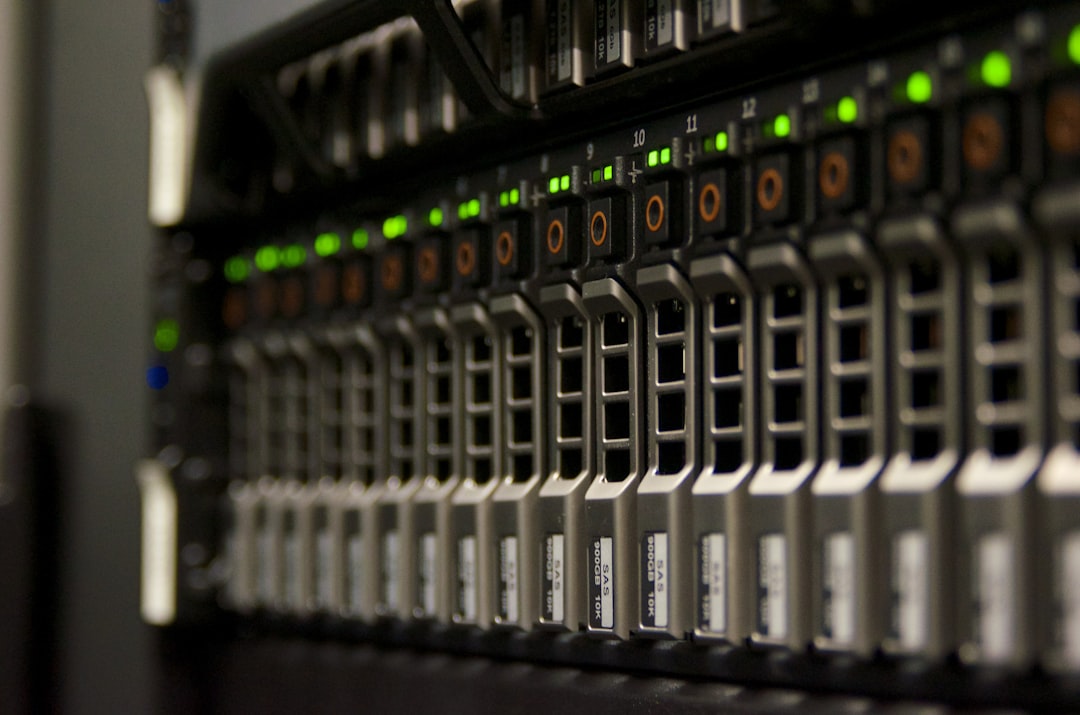
AI workloads require vast, resilient electricity supplies and robust network interconnections. Data centers cluster near major grids to minimize latency and maximize uptime, translating into sizable capacity additions for utility operators. The financial logic is clear: long-duration power contracts, faster depreciation cycles on new transmission lines, and the potential for green-energy incentives can boost earnings visibility beyond those offered by residential customers alone.
Regulators are watching closely, but many utilities view this AI-driven growth as a way to stabilize profits in a world of fluctuating commodity prices. A utility executive close to the NextEra-Dominion talks said the combined company would be positioned to backstop critical AI infrastructure with scale, while still prioritizing reliability for ratepayers. The key question is whether regulators and customers will see the benefits in the form of lower outages and steadier bills or bear the burden of higher charges to finance expanded transmission and new plants.
What This Means for Customers and Regulators
For customers across states served by the merged entity, the transition could bring a blend of benefits and risks. On one hand, bigger utilities may achieve greater efficiency, supply reliability, and bargaining power with suppliers. On the other hand, accelerated capital spending to support AI-driven growth could translate into higher monthly bills if regulators approve higher rates to fund the projects.
Regulators in several states have signaled they will scrutinize the deal carefully, focusing on capital costs, ratepayer protections, and the pace of project execution. In public forums, officials emphasized the need for transparent cost recovery and measurable reliability gains before approving price increases tied to AI-enabled expansions.
Wall Street’s Perspective: A New Growth Narrative for Utilities
Investors have increasingly treated utilities as growth plays rather than pure yield assets. The AI push adds a new layer of earnings visibility, with expected revenue streams tied to data-center deployments, cloud providers, and edge computing facilities. Market watchers say this shift helps explain elevated valuations for some utility stocks that embrace scalable, long-duration growth rather than static rate-based models.

‘The sector is undergoing a fundamental re-pricing,’ says David Kim, head of energy equities at Ridgeview Capital. ‘Utilities that can monetize AI-related load growth and invest in transmission and storage win in the eyes of growth-oriented investors. Those that lag risk a tougher funding environment.’
Risks, Rewards and the Customer Bill Question
Every merger of this magnitude carries execution risk: integration challenges, unexpected capital costs, and regulatory pushback could delay benefits or compress returns. If AI-driven demand materializes on schedule, the combined entity may lower the cost per kilowatt-hour for AI customers through scale; if it doesn’t, the opposite outcome could prevail.
For ratepayers, the central tension remains: is the investment in AI-enabled infrastructure worth a potential rise in bills today for a more reliable and resilient grid tomorrow? The answer hinges on regulatory outcomes, project timelines, and the actual pace at which AI facilities come online in the merged footprint.
What Comes Next for U.S. Utilities and AI-Powered Growth
Industry observers expect more consolidation as utilities seek scale to fund large transmission lines, grid upgrades, and new clean-energy projects necessary to support AI data centers. In the near term, investors will weigh regulatory approvals, project backlogs, and the speed at which AI deployments translate into steady, predictable earnings.
As ai’s power hunger turning the utility sector into a growth-stock story, it becomes crucial for households to track how rate decisions and reliability commitments evolve. The story isn’t just about energy prices; it’s about whether the grid can keep pace with the AI era while maintaining fairness for ratepayers who rely on steady, affordable power.
Key Data Points at a Glance
- Deal value: $66.8 billion for the NextEra Energy-Dominion Energy merger
- Date of announcement: May 18, 2026
- Market impact: utilities increasingly treated as growth plays by investors
- Data-center demand: AI workloads require vast, reliable electricity and robust transmission capacity
- Share of U.S. households served by private utilities: about 70%
- Regulatory focus: capital costs, rate recovery, and reliability improvements
As markets digest this wave of consolidation, one thing is clear: ai’s power hunger turning utilities into growth stocks represents a fundamental shift in how America pays for its electricity. For policymakers, investors, and ratepayers alike, the coming years will test whether scale and AI-driven demand can deliver real reliability without unwelcome price shocks.
Discussion