Lead: Protests Erupt Over Kushner-Linked Coastal Plan
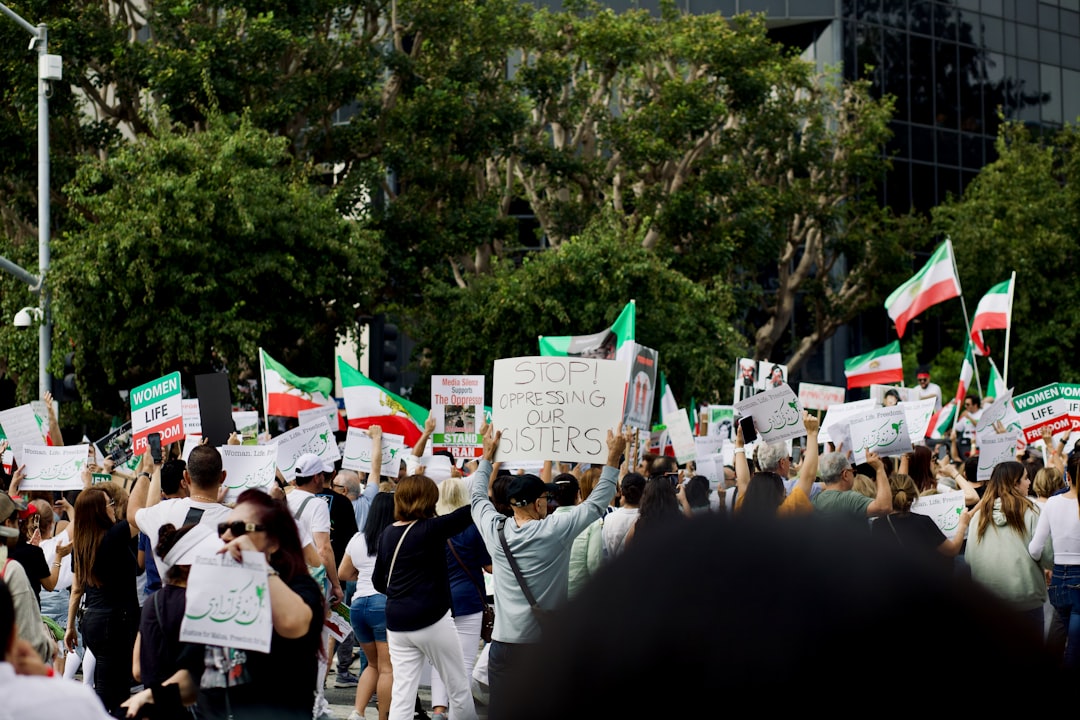
TIRANA, June 4, 2026 — A wave of demonstrations surged through Albania's capital as a Kushner-linked coastal development faced sharp opposition from environmental groups and local residents. Police used water cannon to disperse crowds near government offices, underscoring a brewing confrontation over the project’s footprint and speed.
Government spokespeople insist the luxury plan could turbocharge Albania’s shift into higher-end tourism and advance EU accession talks. Officials say the venture, if approved, would bring thousands of construction and service jobs and attract capital needed to upgrade coastal infrastructure.
“This coast belongs to the people,” a protest organizer in Tirana said, highlighting a perception that decision-making is racing ahead of public input and safeguards. The scene in the capital reflected broader worries about how a project tied to Kushner-linked interests will reshape a country that still contends with environmental and social costs.
Ivanka Trump has described the site discovery as serendipitous, recounting that she and a companion found the area during a barefoot boat trip and chose to explore the island on foot. The anecdote has become a flashpoint in debates over the project’s legitimacy and transparency.
What The Plan Entails
The development centers on two principal components: a coastal enclave along the Narta Lagoon—an area long revered for its wildlife habitat—and a resort on the nearby Sazan Island, a former military site. The plan envisions a mix of luxury hotels, private villas, seafront apartments, and a marina designed to position Albania as a premium Adriatic destination.
Officials argue the project would unlock a long-dormant stretch of the coastline, delivering a pipeline of jobs, training opportunities, and tax revenue that could accelerate Albania’s modernization and help steady regional growth. The project’s promoters also say it would showcase Albania as a magnet for international investors, potentially boosting related sectors from construction to hospitality.
- Project value: approximately €1.2 billion
- Geographic scope: Narta Lagoon wildlife reserve and Sazan Island
- Components: hotels, villas, apartments, marina, and supporting infrastructure
- Job forecast: up to 12,000 roles during construction and operation phases
- Investor status: a Kushner-linked investment vehicle granted special status by Albanian authorities
Why It Triggers Backlash
The island and lagoon corridor are among Albania’s most biologically sensitive coastlines. Environmental groups warn that even high-end tourism can fragment habitats, disrupt bird nesting sites, and strain local water resources. Narta Lagoon covers multiple square kilometers of wetlands and is home to migratory species that rely on undisturbed access to coastal waters.
In the streets of Tirana, the debate has moved beyond aesthetics and into questions of sovereignty and public benefit. The opposition argues the plan could accelerate land consolidation by private entities at the expense of local communities and long-standing conservation rules. The latest demonstrations also featured clashes with private security personnel near the development site, fueling concerns about safety and governance.
This is where the phrase albanian protesters furious about the project appears most often: the sentiment captures a fear that environmental safeguards may be compromised in the rush to attract foreign capital. Critics say the government must provide clear environmental impact assessments, ensure transparent bidding, and secure local benefits before proceeding.
Economic Signals And Market Reactions
From a market perspective, the dispute adds a layer of uncertainty to Albania’s tourism outlook and property markets. A slow-by-design regulatory process could temper investor enthusiasm, while a clear commitment to environmental safeguards and community benefits might stabilize confidence.
Currency and debt markets have monitored developments; traders say a protracted dispute could dampen near-term capital inflows and influence local financing costs for related projects. Analysts warn that prolonged uncertainty around a flagship development could ripple through regional growth expectations, complicating Albania’s EU accession timetable and its push to diversify beyond traditional tourism and agriculture.
Observers note a broader pattern: large-scale projects tied to high-profile political or familial networks often encounter heightened scrutiny. The question for investors is whether the promised economic upside can be delivered without compromising environmental standards and local consent. The phrase albanian protesters furious about the deal has become a shorthand for concerns that governance may be bending toward a fast-track approval rather than sound planning.
Government Response And Next Steps
Government officials have defended the plan as a strategic bet on Albania’s future, stressing that oversight will be strengthened and that environmental safeguards will be central to any future permits. A senior adviser described the project as a potential transformative force for tourism and regional development, while pledging to expand public consultations and independent reviews.
Opposition voices argue the process has not adequately incorporated local communities, ecological assessments, or independent appraisal of long-term social costs. They are calling for a pause on approvals until a comprehensive environmental review is completed and local benefits are guaranteed through binding agreements. As Albania weighs its options, market participants will be watching for a credible plan to de-risk the project and secure community buy-in, a signal that could reduce volatility tied to the coastal development debate.
Key Facts At A Glance
- Location: Narta Lagoon and Sazan Island, Albania
- Estimated project size: €1.2 billion
- Estimated jobs: up to 12,000 across construction and operations
- Investor linkage: Kushner-linked vehicle granted special status by authorities
- Current mood: Protests escalate as environmental and community concerns clash with investment rhetoric
Context For Albanian Markets
The protests in Tirana arrive at a delicate moment for Albania’s economy and its European Union ambitions. While the government has pressed forward with modernization plans to diversify its tourism sector and create high-value jobs, the push has to contend with ecological protections and public scrutiny. How authorities balance economic ambition with environmental stewardship will shape both confidence in the Albanian market and the country’s broader path toward EU accession.
Conclusion
The clash between aspirational growth and environmental safeguards is not unique to Albania, but the Kushner-linked coastal plan has become a barometer for how the country handles large-scale investment, local input, and sustainable development. As albanian protesters furious about the deal voice their concerns, policymakers face a defining choice: move quickly to unlock investment or pause to build a more resilient framework that could attract capital while preserving Albania’s coast for future generations.
Discussion