
Mexico’s president Claudia Sheinbaum announced on Monday that FIFA should rethink the ticket pricing for the 2026 World Cup, arguing that affordability cannot be sacrificed to business interests alone. The comments place a fresh spotlight on how a global event is financed and who can realistically access live games as the tournament unfolds across the United States, Canada, and Mexico.
World Cup Price Debate Spurs Policy Talk
The 2026 World Cup, spread across three host nations, is set to feature 104 matches. Ticket pricing has drawn intense scrutiny as fans compare lists of ticket tiers, travel costs, and the overall value of attending in person. Data released ahead of the tournament shows a wide gap between entry points and premium seats, illustrating a broader affordability challenge for many households.
- Base price range for matches in the three host countries: about $140 to $8,680.
- Final match tickets: listed around $32,970 at peak pricing.
- Resale listings on official platforms have shown multiple seats for the final priced near $2.3 million for a four-ticket package.
While some prices have moderated since the initial unveilings, the spread remains acute, raising questions about accessibility for everyday fans and the broader impact on family budgets during a period of high inflation and rising travel costs.
Sheinbaum’s Call for Reflection
Speaking to reporters, Sheinbaum framed the discussion as a moral question as much as a market one. She asserted that soccer should be more than a commodity and emphasized the need for space where sport serves as a unifying force, not just a commercial enterprise. She added, “Soccer has to be something else. All of this should prompt reflection, even within FIFA.”
Her comments echo a broader push within Mexico to balance mega-events with social welfare needs, particularly as the government faces pressure from labor, student, and neighborhood groups who argue that public funds could be directed toward housing, healthcare, and security rather than extravagant entertainment pricing.
What a Social World Cup Could Look Like
In response to affordability concerns, government officials have highlighted a Social World Cup concept designed to widen access. The plan centers on organizing public viewings in cities nationwide, including Mexico City, where residents and visitors could watch matches on giant screens in central plazas free of charge. The initiative aims to transform the event into a shared community experience, potentially offsetting some of the personal cost for fans who cannot travel or pay premium prices.
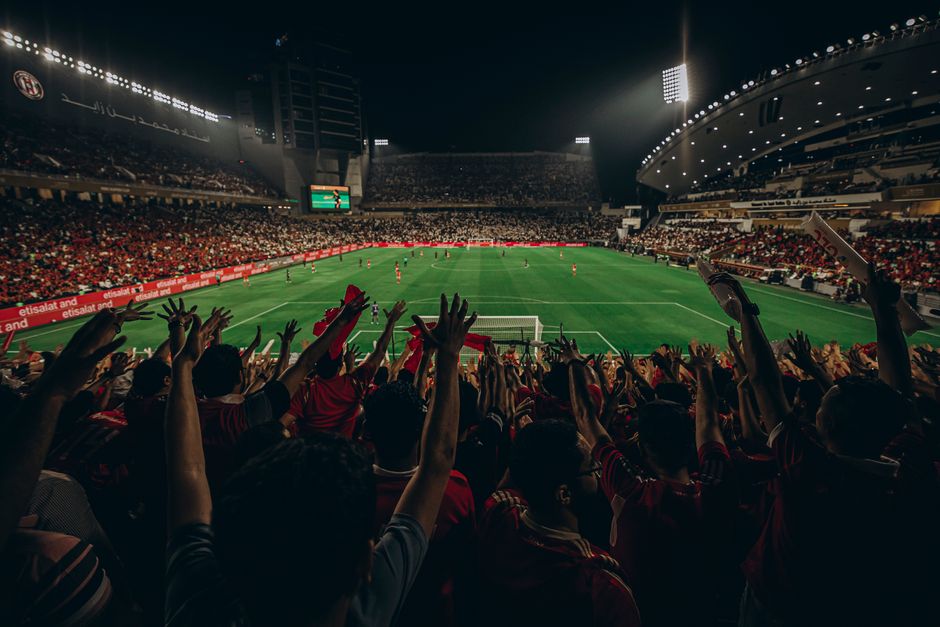
Officials describe the Social World Cup as a partnership between local authorities, FIFA, and civil society groups, focusing on inclusive programming and safe, family-friendly settings. The program is pitched as a way to keep the World Cup accessible even if ticket prices remain high for some segments of the population.
Economic and Social Tensions
Mexico’s government has faced backlash from a cross-section of social movements that argue the tournament is being prioritized over immediate social needs. Critics say the financial footprint of hosting, including security, transport, and logistics, should be weighed against pressing issues such as poverty, education, and public health. In some venues, local observers have noted surprisingly empty sections, with FIFA attributing certain absences to fans watching from concourses rather than leaving, a claim that has not silenced broader concerns about affordability and access.
From a household finance perspective, the ticket pricing arc adds complexity to family budgets. Families eyeing live attendance must factor in not only the ticket but also travel, lodging, meals, and time off work. For many, the decision hinges on whether the live World Cup experience delivers enough perceived value to justify the total cost, or whether streaming options and public screenings offer a more economical path to participate in the event’s atmosphere.
Implications for Markets and Households
Market watchers say the ticket price structure could influence consumer spending in a few measurable ways. First, there’s a potential drag on discretionary spending in the near term as households reallocate dollars to essential needs and travel costs. Second, local businesses near stadiums and fan zones may experience short-term boosts from increased foot traffic, while fears of crowding could dampen some consumer activity in city cores during match weeks.
For families, the core question remains: how should personal finances balance the desire for live sports experiences with competing needs? The conversation has grown beyond sports into consumer budgeting, credit availability, and the broader question of how accessible global events should be for residents of host countries and nearby regions.
What’s Next and Why It Matters
FIFA’s stance on pricing remains under the spotlight as the tournament progresses. The federation has historically defended ticket values by citing market demand and the need to fund event operations across three continents. In interviews around the lead-up to the event, FIFA officials have argued that the North American market supports higher price points, a view that continues to generate debate in political and consumer circles alike.

Mexico’s government, meanwhile, is pressing the idea that a more inclusive World Cup—through the Social World Cup model and other public programming—should coexist with market pricing. The hope is to demonstrate that the World Cup can be a catalyst for unity and economic activity even as ticket costs remain a hurdle for some fans.
All This Sould Prompt Community Dialogue
As families monitor household budgets this summer, all this sould prompt a broader conversation about the value of live sports experiences in a time of rising living costs. The discourse around ticket prices isn’t just about entertainment; it’s about access, equity, and the role of public policy in shaping who gets to participate in cultural moments that have national and global resonance.
For policymakers, the question is whether to heighten protections for consumers, expand public viewing options, or pursue a hybrid path that preserves marquee events while widening eligibility. For fans, the question is practical: does the World Cup deliver enough personal value to justify the expense, or are alternative formats and public screenings the smarter choice in 2026?
Conclusion: A Turning Point for Sports and Society
The 2026 World Cup arrives with a clear test for market pricing, public policy, and social priorities. Sheinbaum’s call for reflection signals a heightened sensitivity to how global spectacles affect ordinary households. If all this sould prompt a broader reckoning, the event could emerge not only as a display of athletic prowess but also as a benchmark for affordability, inclusivity, and the social function of sport in a modern economy.
Discussion