
A Moment of Change for Charitable Giving
As the United States nears its Semiquincentennial, leaders in philanthropy are racing to reverse a long-running trend: fewer Americans are giving. In the last two decades, shares of households that donate have slipped from roughly two-thirds to about half. Economists point to squeezed budgets, while nonprofit executives warn that weaker community bonds and participation dilute the sense of shared purpose that used to fuel giving.
The trend matters beyond charity totals. It touches civic life, social cohesion, and how people see their role in a country that is increasingly divided. If a broad, sustained rise in generosity is to take hold, organizers argue that it will require a national moment that reframes patriotism as active help for neighbors, not just slogans at a parade.
A National Tradition for a Divided Year
Enter the idea of a unified giving day tied to July 4, 2026—the nation’s Semiquincentennial. Advocates say the moment could echo groundbreaking campaigns that shifted behavior in the past, but at a national scale and with modern tools. The proposal, often described in discussions as a way to fuse celebration with service, envisions a live, nationwide drive to donate, volunteer, and fundraise across communities big and small.
In shaping the plan, organizers look to the success of Giving Tuesday, which launched a decade ago and has since become a global phenomenon. In 2025, Giving Tuesday generated about $4 billion in charitable giving, with more than 38 million Americans participating. The numbers show a blueprint for mass participation—if the energy can be redirected toward a sustained holiday of generosity on July 4, 2026.
Some observers have already started calling the effort america chair: americans giving—a provocative label that captures the desire to fuse national identity with acts of compassion. The phrase has circulated in civic forums and on social media, serving as a shorthand for a movement that seeks to reclaim giving as a shared national endeavor.
How It Could Work
The core idea is simple in theory, ambitious in scale. A national live-televised event would pair with grassroots actions to create a single, synchronized day of giving. Corporate partners, sports figures, and cultural institutions would pitch in, offering matches, challenges, and real-time storytelling that highlights local needs across communities.
- Central broadcast: A nationwide program featuring nonprofit leaders, beneficiaries, and volunteers, designed to inform and motivate viewers to participate.
- Corporate participation: Brands provide matching funds, employee-m Giving challenges, and cause-driven campaigns that tie into local needs.
- Education and youth outreach: Schools and universities integrate service projects and fundraising drives into summer curricula, encouraging student involvement.
- Local powerhouses: Community foundations, faith groups, and neighborhood associations coordinate hyper-local campaigns that feed into the national effort.
- Digital accessibility: A centralized platform aggregates donations, volunteer signups, and impact tracking to show progress in real time.
Proponents emphasize inclusivity: the idea should be accessible to families with modest means and to businesses of all sizes. If executed well, the plan could turn July 4 into a recurring, year-after-year moment when Americans think first of neighbor-help and community renewal, rather than only fireworks and parades. The concept of america chair: americans giving, as a banner, aims to remind citizens that generosity can be both patriotic and practical.
The Economic Reality and the Giving Gap
Economic pressures have squeezed many households, particularly in the middle class, making discretionary donations feel like a luxury. Yet the opportunity to give remains strong in some pockets of the economy—tech platforms, employers, and civic groups that specialize in micro-donations, payroll gifts, and matched giving have sustained philanthropy in fits and starts.
Critics warn that a single big day cannot solve embedded challenges such as donor fatigue, tax-policy complexities, or the fragmented nature of nonprofit fundraising. Supporters counter that a national moment can amplify what already exists on a local level—neighborhood-driven aid, small-business sponsorships, and community foundations that operate year-round. The challenge is to translate a one-day spike into a durable habit of giving, and to do so without losing focus on those most in need.
Risks, Rewards, and the Civic Dividend
The potential rewards of a successful Giving 4th are clear. A robust, well-executed event could reset expectations about civic participation, demonstrate a practical form of patriotism, and inject capital into nonprofits that support education, healthcare, disaster relief, and social services. More broadly, it could redefine how Americans talk about sacrifice, sacrifice, and shared responsibility in a time of political rancor.
However, there are risks. If the day is perceived as performative or overly commercial, it could backfire, especially among groups wary of corporate influence or the commodification of charity. Organizers stress the importance of transparency—where funds go, how impact is measured, and how communities are consulted in planning. The idea remains powerful only if it respects diverse viewpoints while delivering tangible benefits to those who rely on charity every day.
The Road Ahead for July 4, 2026
National organizers say the first step is broad coalitions across sectors—philanthropy, business, government, and civil society—working together to design a program that is both memorable and meaningful. A phased rollout could begin with pilot events in major cities this summer, followed by wider participation as media partners and nonprofits align their campaigns with the national calendar.
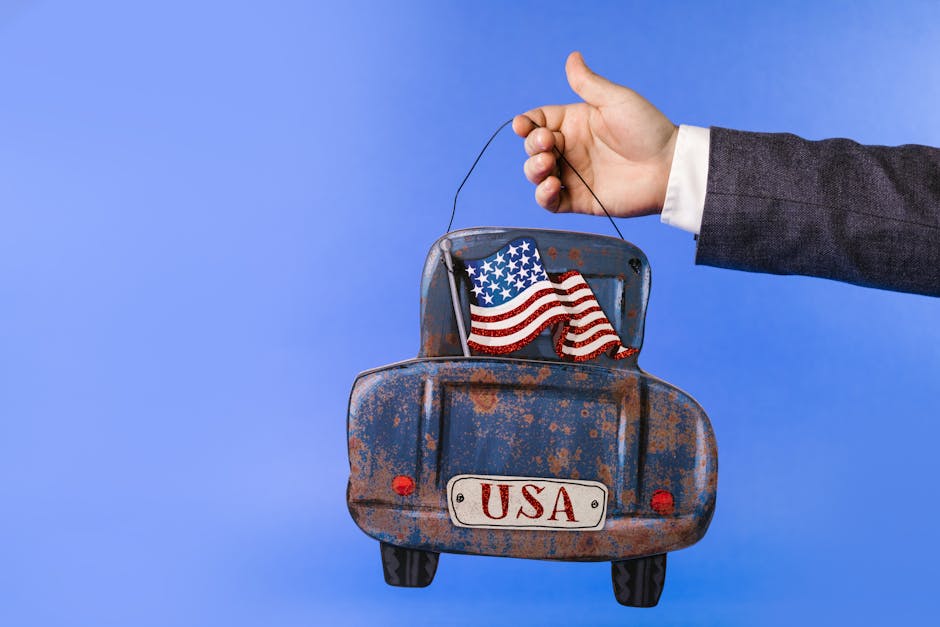
Critically, the campaign needs to embrace inclusion: accessibility for donors with varying levels of means, language inclusivity in outreach, and a focus on local impact as much as national spectacle. The goal is not merely to raise money but to rekindle a sense that Americans can unite around common, constructive goals—the kind of unity that can endure beyond a single holiday.
Voices From the Field
Nonprofit leaders, donors, and civic thinkers weigh in on what this could mean for a country at a crossroads. A longtime foundation chief says, “If we get the structure right—clear goals, transparent reporting, and broad participation—the Giving 4th can become a template for future civic generosity.” A small-business owner adds, “I’m willing to match every employee contribution on July 4, because it ties our success to our community’s well-being.” And a volunteer coordinator notes, “People want to feel connected to something larger than themselves; a national giving day could restore that connection while making a real difference.”
Across the discussion, the phrase america chair: americans giving appears as a rallying cry for a movement that seeks to translate national pride into concrete acts of aid and service. Supporters insist the move is less about debt to history and more about investing in communities that will carry the country forward.
Data Snapshot: What We Know Now
- Share of households donating today: about 50%, down from roughly 66% two decades ago.
- Giving Tuesday 2025: about $4 billion in donations, with more than 38 million participants.
- Target for 2026: turn July 4 into the largest giving day in U.S. history, measured by total dollars raised and participants.
- Key demographic trends: participation remains higher among younger donors when digital campaigns are accessible and transparent.
- Economic context: inflation and wage stagnation have narrowed discretionary spending, but digital giving tools have lowered barriers to entry for small donors.
As the calendar turns toward July 4, 2026, the country watches to see whether a national giving day can become a durable habit. If america chair: americans giving gains traction, it could usher in a new era where patriotism is expressed not only in fireworks and parades but in daily acts of generosity that lift neighbors and strengthen communities.

Discussion