Topline Development
In a high-stakes clash between labor and management, unions representing american airlines pilots and flight attendants publicly challenged CEO Robert Isom’s leadership. The move comes as the carrier confronts profitability pressures and ongoing questions about operational execution in a tough industry cycle.
On Monday, the Association of Professional Flight Attendants (APFA), which counts more than 28,000 flight attendants among its rank and file, announced a vote of no confidence in Isom. The union said the vote signals that the airline’s largest organized workforce lacks trust in the CEO and that management decisions have left the company lagging behind rivals in several key metrics.
APFA President Julie Hedrick framed the moment as a warning shot: “This level of performance failure starts at the top and demands accountability.” The APFA’s action marks a rare public rebuke from within American’s own ranks and could reverberate through upcoming negotiations and operational plans.
The Focus on american airlines pilots and Flight Operations
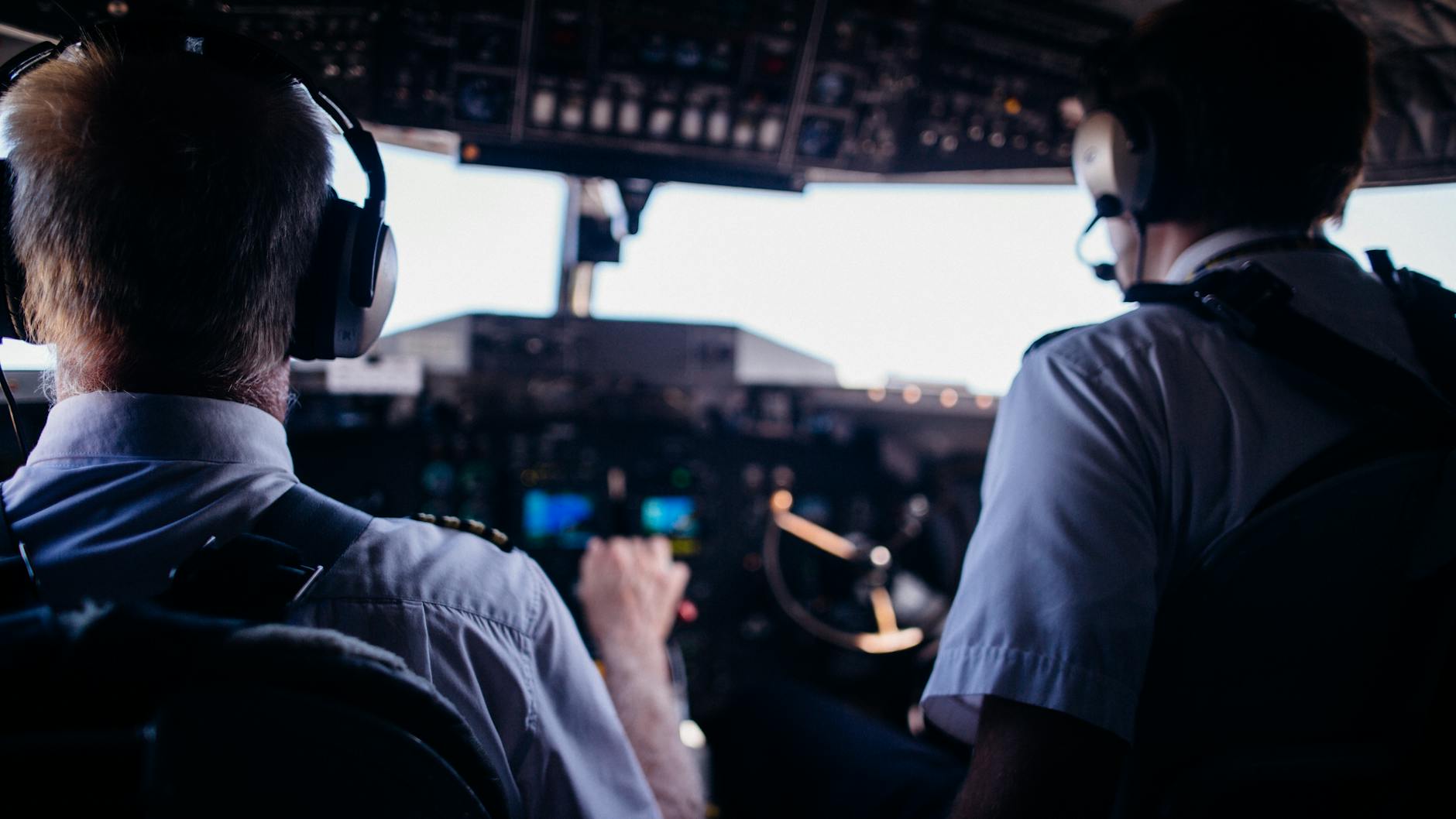
For american airlines pilots, the no-confidence vote increases pressure to reframe contract talks and address persistent reliability and scheduling concerns. The union argues that decisions made by senior leadership have created mismatches between demand, crew availability, and network execution, with consequences for on-time performance and traveler experience.
Labor leaders stress that a constructive path forward will require deeper engagement from the executive team and a willingness to align staffing, training, and scheduling with customer needs. While the APFA’s vote targets leadership, it also signals that frontline teams expect more actionable support to restore efficiency and trust across the operation.
Financial Context and Market Backdrop
- The carrier reported a profit of about $111 million in the most recent fiscal year, a figure analysts say underscores margin pressure in a value-conscious travel economy.
- By comparison, industry peer Delta Air Lines posted roughly $5 billion in profit for the same period, while United Airlines cleared more than $3.3 billion, according to market data cited by CNBC. The gap underscores how profitability is a differentiator in a highly competitive sector.
- American’s capacity in 2025 stood in line with rivals, suggesting that the profitability gap isn’t solely about volume but about cost discipline, revenue management, and operational reliability.
The contrasts in earnings come as investors and customers weigh the implications of internal discord for service quality, pricing power, and future share gains. In a challenging macro backdrop—including higher fuel costs and volatile labor markets—executives are under renewed scrutiny to translate capacity into sustained profits.

Management Response
American Airlines issued a response citing its strategic plan and ongoing efforts to improve the customer experience and network optimization. The company emphasized progress toward an elevated, consistent service standard and more efficient operations, while noting that the current cycle includes both opportunities and headwinds.
In a statement following the earnings call on January 27, leadership explained that the four-pronged approach focuses on delivering revenue potential while balancing network strength with frontline support. The reply avoided specific concessions but signaled that senior leaders remain committed to tightening execution across fleets and routes.
Reactions Across the Labor Landscape
The Allied Pilots Association (APA), which represents a substantial portion of American Airlines pilots, has not issued a formal no-confidence vote in the same manner as the APFA but has publicly pressed for accountability and practical measures to close gaps in on-time performance, maintenance, and staffing. A spokesman for the pilots’ group said: ’We want a constructive dialogue that reduces friction at the point of contact with customers while protecting the livelihood of our members.’

Labor leaders stress that the stakes are highest for american airlines pilots and flight crews who are on the front lines of hangar-to-gate operations and customer service. Some union officials caution that while the current talk is confrontational, the long-term objective remains a stable, predictable schedule and fair contract terms that reflect the industry’s realities.
Investor and Customer Implications
From an investor perspective, the dispute adds a layer of political risk to a stock that has already faced questions about long-run profitability and cost structure. Analysts say the immediate impact is likely to hinge on whether management can demonstrate concrete steps to close the performance gap with peers and reassure crews that their concerns are being addressed in negotiations.

For customers, the unsettled leadership dynamic could affect crew scheduling, maintenance priorities, and service reliability in the near term. Any work slowdowns or staffing frictions would be felt in flight schedules, gate operations, and overall customer experience, heightening scrutiny from travelers who have already faced travel disruptions in recent periods.
What Comes Next
Next steps likely include intensified contract talks with both the pilots and flight attendants unions, with a focus on wages, benefits, scheduling, and operational support. Analysts expect senior leadership to pursue a combination of cost-control measures and network optimization initiatives while offering tangible commitments to frontline staffing and training improvements.
As the conflict unfolds, observers will watch for:
- Signaling from union leadership about timelines for further actions or escalation.
- Concessions or proposals from management aimed at stabilizing operations and morale.
- Quarterly results updates that show progress in on-time performance, baggage handling, and customer satisfaction metrics.
Bottom Line for Readers
The public rebuke from american airlines pilots and flight attendants mirrors a broader industry pattern where labor relations and profitability intersect. As the airline navigates a competitive landscape, union leaders are calling for swift, concrete reforms to leadership and operations. How Isom and his team respond in the coming months could shape the airline’s trajectory, influencing everything from flight schedules to investor confidence and the daily experience of travelers.

Discussion