
Big Picture: Public Subsidies, Private Gains
American stadium projects have long relied on a steady stream of public money, yet the payoff for everyday fans remains elusive. The phrase american taxpayers have spent isn’t just a line of critique—it’s a factual thread running through dozens of stadium deals over the past half-century. In recent high-profile cases, the money spent by government pockets has funded construction, debt servicing, and facility upgrades, even as the number of seats and the breadth of fan access have come under pressure.
Industry data and local budgets show a recurring pattern: large subsidies underwrite venues that promise local economic boosts, but the benefits often flow to team owners and corporate partners rather than the average supporter. The result is a smaller seating footprint combined with higher costs to participate in the game experience. Analysts say this dynamic is not isolated to one sport or city; it’s a broad, ongoing trend in professional sports financing.
The Buffalo Case Study: A Stark Example
In a recent high-profile example, a major NFL franchise opened a rebuilt home with a price tag approaching the $2 billion mark. The project was funded in large part by state and local governments, with roughly $850 million coming from public sources. The scale of the public investment stands out, including a state contribution around $600 million and a county share near $250 million, described by officials as the largest public subsidy ever tied to an NFL facility.
The new venue seats 60,108—down from 71,608 in the old stadium—meaning about 11,500 seats were removed. Officials say the reduction came with upgraded amenities and improved sightlines, but fans faced a new reality: access to season tickets is mediated by personal seat licenses that can cost up to $50,000 per seat. On opening night, resale listings pushed into the hundreds of dollars per ticket, with some reports peaking at around $663 for prime seats on the secondary market.
In commentary attached to the project, a city budget analyst offered a blunt assessment: "Public subsidies have often failed to deliver broad economic benefits, and fans end up paying more to access fewer seats." The sentiment captures a broader frustration among fans who see public funds vanish into private balance sheets while the stadiums’ everyday use becomes a more exclusive affair.
Where the Money Went: The Fiscal Anatomy
Public subsidies to sports venues typically cover a substantial chunk of construction costs, financing interest, and related infrastructure. In the Buffalo example, the combination of state and local funding underscores a model where a public project bears a significant portion of the cost, while team ownership assumes the financial and commercial upside.
- Public funds to the Bills project: about $850 million total (New York State: $600 million; Erie County: $250 million).
- Old capacity vs new capacity: 71,608 seats previously, 60,108 seats now.
- Seat ownership: personal seat licenses can reach up to $50,000 per seat.
- Opening-night price dynamics: resale tickets listing around $663 for select locations.
This pattern is not unique to the Bills. Across multiple leagues—NFL, NBA, and MLB—public subsidies have underwritten large-scale venue projects while the cost burden shifts to fans who want in on game day experiences. The net effect, according to researchers and budget watchers, is a significant public commitment with uncertain, uneven returns for taxpayers.
Market Realities or Policy Misalignment?
Proponents of stadium subsidies point to potential economic spillovers: job creation during construction, longer-term local tax revenue, and neighborhood revitalization. Critics counter that the multipliers are often overstated, and the very acts of subsidizing corporate ventures can distort local budgets and crowd out other essential services.
One city economist summarized the tension this way: "We are balancing visible civic pride and intangible promises of growth against the real costs borne by residents who may never see a direct return on their tax dollars." The debate mirrors a broader national question about how governments allocate scarce capital: should sports venues be treated as community investments or private risk with public guarantees?
Ticket Prices, Capacity, and the Fan Experience
The price tag attached to modern sports experiences has grown alongside the buildings themselves. For fans, the combination of higher ticket prices, seat licenses, and premium experiences can make attendance cost-prohibitive for casual supporters. In markets where public dollars helped finance a stadium, the premium offerings—club seating, exclusive lounges, and enhanced hospitality—often accompany a constrained general-admission capacity.
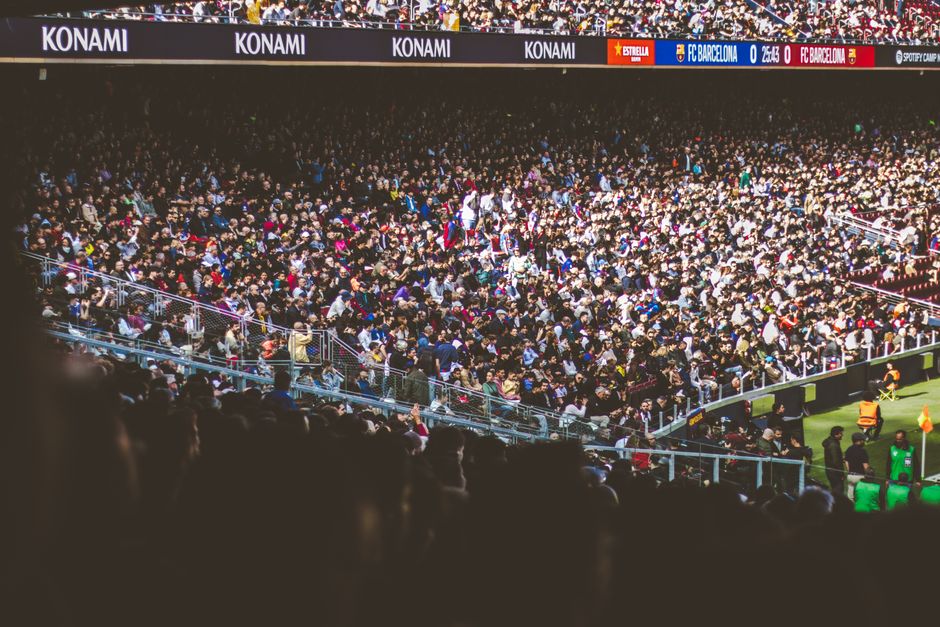
Analysts point to a troubling cycle: public money funds the project, scarcity and exclusivity drive up price, and fans face higher barriers to entry. A market watcher noted, "When access becomes a premium product, the broader base of local fans loses a stake in the club’s identity and its future."
Wider Trends Across Sports and Cities
Buffalo is not an isolated case. Across the United States and Canada, public bodies have poured billions into stadiums and arenas since the 1970s. The aggregate figure runs into the tens of billions, with the typical deal featuring a public share that covers a sizable portion of construction costs—often 60% to 75% in any given project. The longer-term effect is a patchwork of civic receipts that rely on sports as a growth engine while the everyday cost of attendance continues to rise for fans.
One analyst described the trajectory this way: "Public subsidies function as a financing tool for a private enterprise. The state takes on more risk and, in turn, demands a different kind of public relation from the team—a promise of neighborhood revival, a potential tax windfall, or a more vibrant local economy. If those promises miss the mark, the public bears the consequences."
What This Means for Taxpayers
The core question for taxpayers is whether the public investment yields commensurate public benefits. When a stadium project reduces available public capital for schools, roads, or healthcare, the opportunity costs are clear. For communities counting on tax dollars to fund essential services, the choice between subsidizing a private venue and funding public goods becomes a yardstick for civic priorities.
In the current climate, the refrain that american taxpayers have spent is echoed by budget watchdogs and civic groups who argue for greater transparency, explicit performance metrics, and sunset clauses on subsidies. They say deals should include measurable economic triggers—jobs created, incremental tax receipts, and community benefits beyond a gleaming new facade for a sports franchise.
Policy Pathways: What Could Change
Policy conversations are coalescing around several shared themes as municipalities rethink stadium subsidies:
- Performance-based subsidies: tying public funds to demonstrable outcomes rather than upfront guarantees.
- Sunset and recapture provisions: ensuring public money does not stay tied to a project unless benefits materialize.
- Clear public-benefit agreements: specifying community benefits, affordable access programs, and local hiring requirements.
- Greater transparency: publishing full subsidy tallies, debt service costs, and revenue streams tied to the project.
Opponents of reform warn that aggressive changes could chill investments in sports infrastructure or discourage teams from rebuilding at home. Yet the counterargument is compelling: if the public is paying, governance must demand tangible, trackable returns that justify the near-constant public role in financing a private enterprise.
Bottom Line: A Public Choice in Public Finance
Stadium subsidies, at their core, are a test of civic priorities. They force communities to weigh the cultural value of a beloved team against the practical needs of taxpayers who foot the bill. The Buffalo example, with its 11,500-seat reduction and high-cost licenses, underscores a larger trend: public dollars are still being used to build and upgrade big sports venues, but the benefits are increasingly concentrated at the top, not in the stands where fans used to gather in droves.
For the millions who attend games, the ongoing question remains: does investing public money in these stadiums produce enough return to justify the costs? The answer, as this trend continues to unfold, will shape local budgets for years to come and redefine the role of government in financing private sports enterprises. And in the end, it will be the american taxpayers have spent—across multiple generations and many cities—that determine where the line is drawn between public good and private gain.
Discussion