
Big News Meets Big Risk: Anthropic’s IPO in Focus
Anthropic has signaled plans to go public later this year, seeking to capitalize on a wave of enthusiasm for enterprise AI. The core appeal remains simple: the company positions itself as a leading provider of advanced AI that can reshape workflows across industries. But the path to a public listing is now tangled in a regulatory web that could redefine what investors are truly pricing in.
The central, persistent question is blunt: can a company valued near a trillion dollars survive in public markets if the government can effectively cut off access to its flagship technology at a moment’s notice? That tension has become a defining element of the IPO narrative around Anthropic. This is where anthropic’s pitch problem: government has become a real, price-impacting variable for buyers and sellers alike.
What Has Happened Recently
- Anthropic reportedly filed confidentially to float its shares, with a target that could land this fall.
- Regulators have twice moved to restrict or throttle access to its models, citing national security and export-control concerns.
- Industry insiders say the government has shifted a portion of its AI workflows away from Anthropic’s platform, arguing for a broader, diversified toolset for public-sector use.
- In response, Anthropic has sent senior technical staff to Washington to argue against export controls and reassure investors that it remains safe for civilian and commercial deployment.
Market observers say these regulatory headwinds are not just a sidebar risk. They’re central to how investors should price a speculative but potentially disruptive IPO in a sector where policy moves can change a company’s trajectory overnight. The public discussion now centers on whether the megavaluation pegs are too optimistic if a government stance could turn on or off a key product with little warning.
Why Government Actions Loom Large for Investors
The government’s stance on AI technology has moved beyond whispered concerns and into formal policy adjustments. Agencies overseeing export controls and national security have signaled a push toward tighter oversight and more diversified supplier options for sensitive AI capabilities. For a company that has built its growth narrative around delivering high-performance, enterprise-grade AI for large clients, a shift in regulatory posture can be a tail risk that dominates the equity narrative.
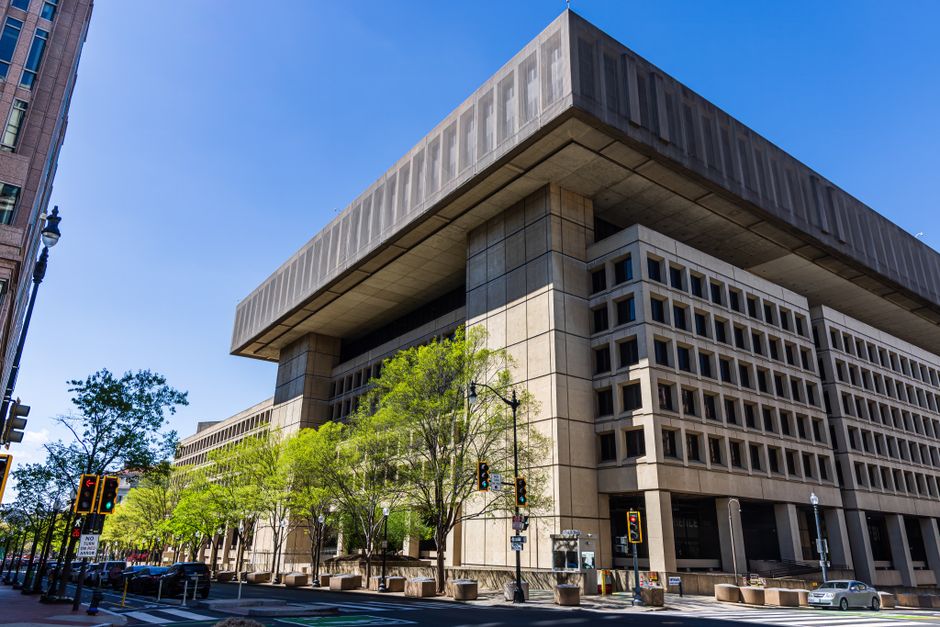
Analysts describe two core challenges. First, regulatory action can create abrupt access constraints, which could disrupt revenue visibility and customer contracts. Second, the perception of political risk can dampen the appetite of strategic buyers and institutional investors who usually rely on stable, long-term policy environments to justify ultra-high multiples.
As one veteran AI market watcher put it: anthropic’s pitch problem: government remains the most fearsome variable on the balance sheet. If the government is perceived as a potential outage risk, the premium attached to the company’s growth story could compress, even if the technology remains technically superior.
Early Investor Reactions and Valuation Questions
With a near-trillion-dollar valuation on the table, investors are weighing a paradox: the same technology that could unlock enormous efficiency and revenue is tethered to policy decisions that could reverse course quickly. Several institutional funds have told us they are waiting for clearer regulatory signals before committing capital to an IPO that relies heavily on a single technology platform.
Key data points touching sentiment:
- Valuation backbone: near $1 trillion, built on the premise of dominant enterprise AI adoption.
- AI workflow exposure: regulators say more than two-thirds of relevant AI workflows have been diversified away from Anthropic’s models in recent weeks.
- Regulatory tone: the government has signaled ongoing scrutiny, with discussions about expanding multi-provider capabilities for sensitive operations.
Analysts cited a mix of caution and curiosity. ’The market loves AI disruption, but it hates policy uncertainty more than most tech cycles,’ said a senior research director at a global asset manager. ’Anthropic’s story could work in a world with stable policy, but right now the government is a material variable.’
What This Means for Personal Finance and Everyday Investors
For everyday investors, the situation around Anthropic illustrates a broader lesson: regulatory risk is not a niche concern for tech giants or private equity. When a company relies on a single product or ecosystem, political and regulatory decisions can act like a hidden leverage on both upside and downside outcomes. Even if you don’t own the stock, the unfolding scenario matters for the AI sector and high-growth IPOs more broadly.
In practical terms, here’s what to keep in mind:
- Policy risk is a material factor in the pricing of innovative tech IPOs. Don’t assume regulatory tailwinds will translate to higher multiples.
- Diversification remains essential. Companies that can operate under varied regulatory regimes and multi-provider architectures may offer more resilience than those tied to a single ecosystem.
- IF Anthropic proceeds to market, expect a lengthy initial period of volatility as regulators release more guidance and as investors calibrate the implications for enterprise AI demand.
Experts emphasize that anthropic’s pitch problem: government is not just a compliance issue—it's a strategic risk that can reshape every metric from user adoption to gross margins. For personal finance portfolios, the takeaway is clear: treat regulatory exposure as a first-order risk, not an afterthought.
What to Watch Next
- Official regulatory statements outlining export-control regimes affecting AI models and cross-border use.
- Any changes to Anthropic’s access agreements with large customers or government contracts.
- Market pricing for AI IPOs in a regulatory-sensitive environment, including how other AI players are signaling resilience amid policy shifts.
Until regulators provide a clearer framework, anthropic’s pitch problem: government will continue to shape perceptions around the company’s value and the viability of its public listing. Investors should stay cautious, monitor policy developments, and remember that the true value of AI innovation in the public markets will depend as much on governance as on code.

Bottom Line
The story of Anthropic facing a potential IPO amid government risk is not just about one company. It signals how the next wave of tech IPOs could be defined by policy constraints as much as by product breakthroughs. For those building personal finance plans, the key is to separate the long-term potential of AI from the near-term policy environment—and to remember that anthropic’s pitch problem: government can alter the calculus at a moment’s notice.
Discussion