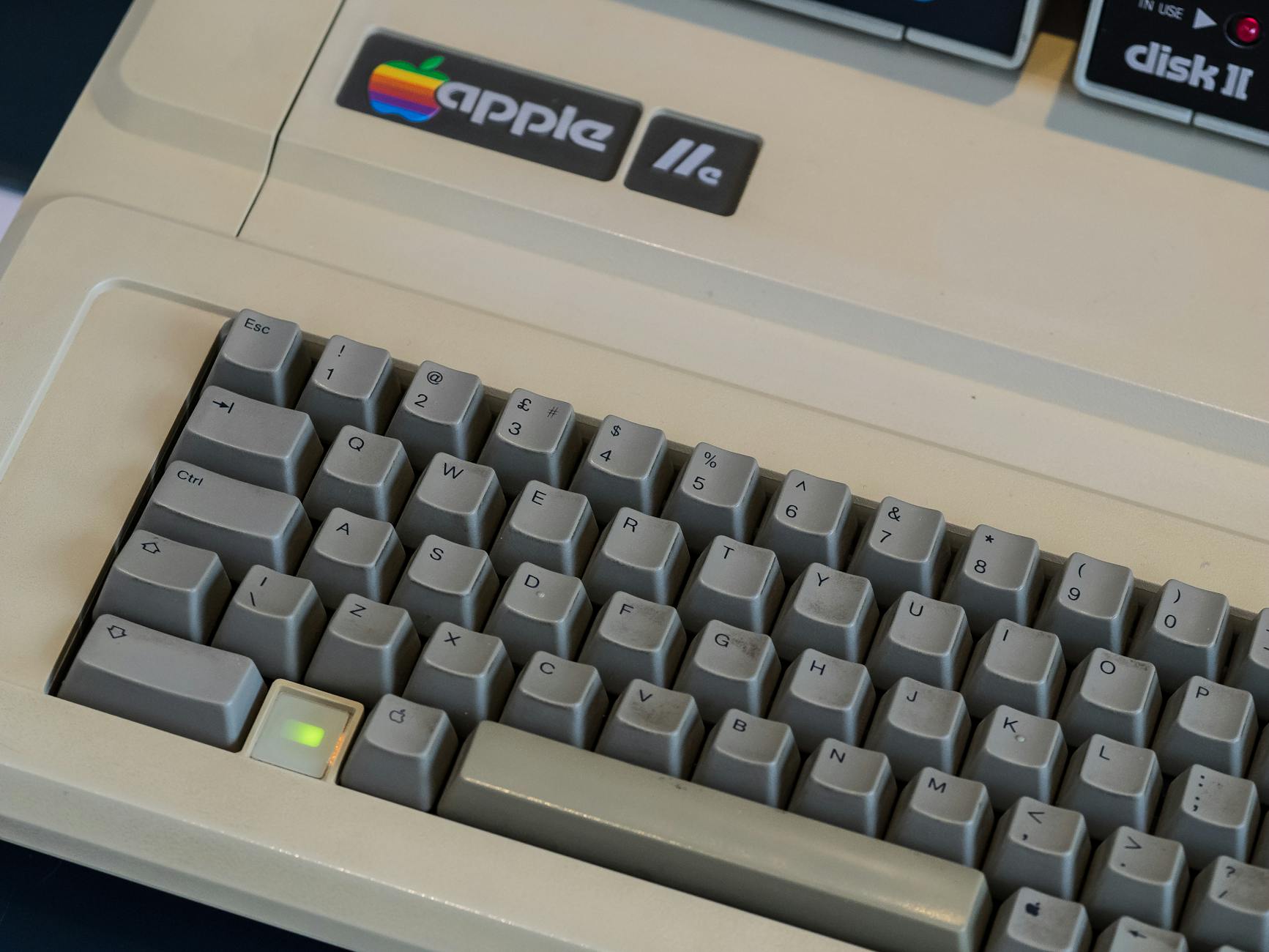
Apple’s 50th Anniversary Framed by AI Skepticism
As Apple prepares to mark its 50th anniversary on April 1, 2026, a quieter debate is taking shape around artificial intelligence. The focus for many investors is shifting from splashy AI headlines to what AI actually delivers for households and portfolios.
In a public-facing stance that surprises some fans, apple cofounder steve wozniak has signaled a preference for human-centered experiences and nature over the rapid-fire pace of AI tools. He has argued that the current wave of artificial intelligence often feels too polished and lacking the human spark that makes information useful and trustworthy. For readers monitoring personal finances, his view adds a practical counterweight to the hype that surrounds AI headlines.
Apple’s AI Spending and Strategy
Apple has chosen a measured path in artificial intelligence, especially when compared with the big spend in the sector. The company reported AI-related capital expenditures in fiscal 2025 that totaled about $12.7 billion, a figure that sits well below the trillions poured into AI by the largest cloud and software players. This restrained approach contrasts sharply with the scale of AI investments by hyperscalers, which together push past the $300 billion mark in a single year.
Beyond the balance sheet, Apple’s approach to AI has relied on partnerships and existing services rather than a full in-house arms race. The company has leaned on external technology to power its voice assistant, Siri, rather than building its own standalone AI stack from scratch. This strategy reflects a broader philosophy of incremental improvement rather than rapid, disruptive leaps that could risk customer confusion or unexpected costs.
- Apple’s 50th anniversary falls on April 1, 2026, a milestone many see as a moment to recalibrate long-term bets.
- Fiscal 2025 AI capital expenditures: roughly $12.7 billion.
- AI capex by leading hyperscalers: around $300 billion combined in the period.
- Siri’s backbone:** Google’s Gemini technology** powers the assistant in many regions, rather than Apple building every capability in-house.
- Industry data show a cautious AI adoption curve across the corporate world.
The AI Adoption Gap Among Executives
A broader industry pattern reinforces Wozniak’s tempered view: most executives are using AI sparingly. A Stanford-led survey of more than 6,000 senior leaders across several major economies found that roughly seven in ten CEOs and CFOs use AI for less than an hour a week in the workplace. Another 28% report no AI use at all in their daily roles. The data suggest a gap between headlines about AI capabilities and practical, everyday impact on business and personal finance decisions.

Analysts point to several reasons for the cautious stance: concerns about bias and accuracy, the need to protect customer data, and the risk of overpromising the speed at which AI will deliver tangible returns to households and investors. The result is a market environment where AI remains a strategic option rather than a guaranteed catalyst for growth.
For everyday investors, the AI conversation intersects with portfolio risk, technology sector exposure, and long-term retirement planning. The disconnect between AI hype and real-world results can influence stock valuations, fund allocations, and even consumer confidence in tech-heavy brands.
Here are key takeaways for personal finance readers navigating this landscape:
- Technology exposure remains a core, but not all-consuming, slice of many portfolios. Companies pursuing cautious AI strategies may offer steadier margins than those racing to deploy every new model.
- Budgeting for tech purchases should assume gradual gains from AI-enabled features rather than immediate, outsized gains. This helps align expectations with the slower, more measured pace observed in corporate adoption.
- Consumer confidence data and salary trends in tech roles influence household finances. If AI investments slow in the near term, the ripple effects could show up in hiring, wage growth, and consumer spending.
The timing of apple cofounder steve wozniak’s remarks coincides with a market that remains selective about AI bets. While the most visible AI headlines have driven some stock prices higher, a growing cohort of investors wants evidence of real, repeatable returns for families and retirement accounts alike.
Analysts emphasize that AI is increasingly viewed as a long-game, with the greatest impact likely to unfold through careful integration into everyday tools rather than dramatic, overnight breakthroughs. In this light, companies that blend AI with strong product design, privacy protections, and clear user value could outpace others over the next several years.
As the industry marks Apple’s 50th anniversary, the conversation around AI remains a blend of excitement and caution. apple cofounder steve wozniak’s perspective adds a human dimension to the debate, reminding households that technology should enhance life without replacing the human touch. For personal finance readers, the lesson is to stay informed about real-world AI outcomes, weigh risks alongside potential gains, and focus on long-term, diversified strategies that weather shifting tech tides.


Discussion