
Big Picture: Apple Navigates Beijing Pressure While Praising Local Partners
Tim Cook used a high-profile industry forum in Beijing to publicly praise Chinese developers and the country’s business partners, arriving just days after state media signaled greater regulatory scrutiny of Apple’s market practices. The remarks come as Beijing signals a tighter grip on tech policy, particularly around App Store rules and monopolistic concerns, even as the company leans on its vast China footprint for growth.
In a message aligned with the current market mood, Apple framed its China strategy as a shared pursuit of innovation, green development, and education. The run-up to the China Development Forum underscored how deeply integrated Apple’s operations are with China’s tech ecosystem, supply chain, and consumer market, even as Beijing signals new policy directions that could shape how foreign tech firms operate domestically.
Observers note the juxtaposition: a multinational tech giant praising China’s partners while the government signals tightening oversight. The dynamic illustrates a broader theme for U.S. investors: cross-border tech success now depends on the ability to navigate regulatory environments as much as on product cycles.
To track the latest corporate messaging, market conditions, and policy signals, this report drew on public remarks, official event transcripts, and the broader geopolitical context surrounding Apple’s China strategy.
Cook’s Message at the China Development Forum
Speaking to a mixed audience of policymakers, developers, and business leaders, Cook underscored Apple’s commitment to collaboration with China’s innovation ecosystem. He highlighted the role of Chinese developers in driving new features for global products and praised the efficiency and scale of local manufacturing facilities. The remarks were framed as a reaffirmation of a long-standing bet on China as a core production and growth hub.
In noting shared ambitions, Cook pointed to green development and carbon neutrality as central to Apple’s agenda. He tied the company’s roadmap to China’s own environmental and industrial goals, signaling that the partnership goes beyond devices and apps to include sustainable supply chains and educated workforces. A senior Apple executive described the moment as a bridge between Western product design and Chinese engineering excellence.
The conversation touched on talent, capital, and the next wave of consumer technology. Cook said, ‘Innovation, green development, and education are interconnected pillars of progress,’ adding that Apple intends to work with Chinese partners to turn that vision into tangible outcomes.
In line with the broader corporate strategy, Apple has continued to rely on China for much of its assembly while increasingly diversifying some manufacturing steps to Southeast Asia and beyond. That shift, paired with renewed focus on developers in China, has been a key topic for investors watching the company’s margin and supply chain resilience.
Industry watchers noted that the overall messaging coincides with the focus group’s takeaway that Apple seeks to balance robust local collaboration with global scrutiny. Within this context, the phrase 'apple praises china partners' has surfaced as a talking point used by Apple executives to describe its relationship with China’s tech community and business partners.
Policy Pressures in Beijing: What Beijing Signals About App Store Rules
Weeks before the forum, Beijing’s state media raised questions about monopolistic practices and the need for more lenient, developer-friendly policies. Analysts say the posture signals that regulators intend to keep a close watch on App Store economics, licensing terms, and the broader digital platform environment. The timing is noteworthy because it places Apple in a position where its global business model intersects with a tightening domestic policy framework.
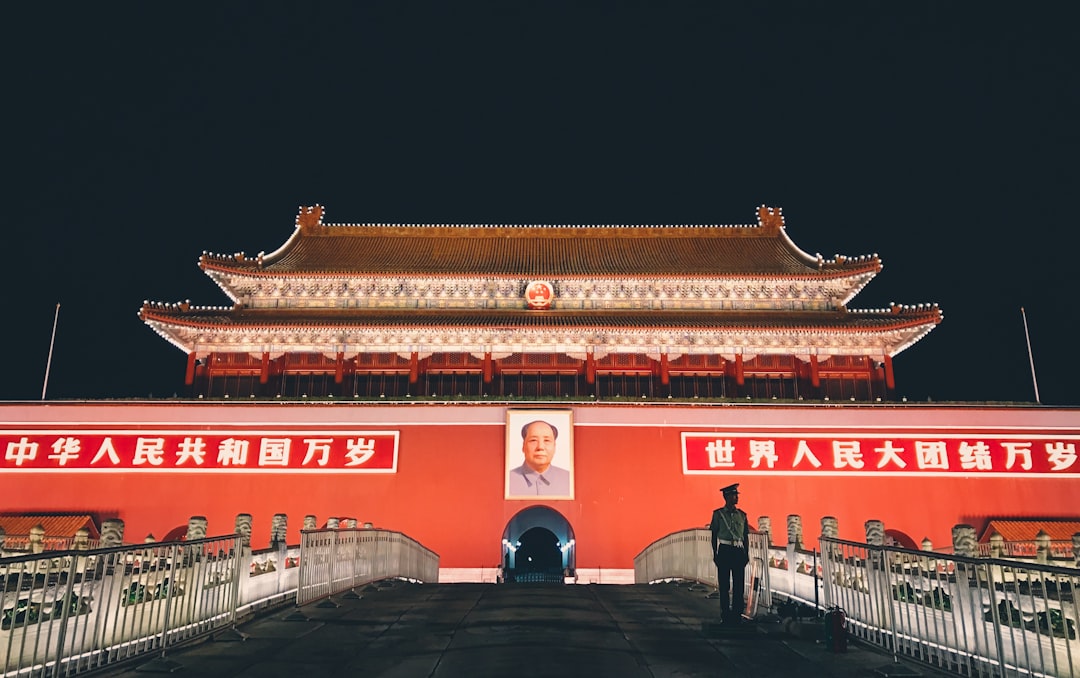
Local observers say this posture from Beijing is not necessarily a direct rejection of Apple’s China strategy, but a reminder that government policy can shift in ways that alter profitability and market access. In this environment, Apple’s decision to reduce certain App Store fees earlier this month—an adjustment that lowered the revenue share for smaller developers—takes on new significance as part of a broader conversation about fair competition and regulatory compliance.
The company has argued that such concessions are designed to support a thriving developer ecosystem, which in turn helps grow the platform’s value for users and investors. Still, the public comments from the party’s flagship newspaper, People’s Daily, signaling further easing of App Store restrictions, illustrate how quickly Beijing can recalibrate the policy tone. The dynamic underscores why investors are watching not just devices and services, but the policy corridor that shapes how those products reach Chinese consumers.
In a reflection of the delicate balance, Apple reiterated a message that observers say is intended to soothe regulatory concerns while preserving growth momentum: apple praises china partners and the ecosystem they maintain remain central to Apple’s global strategy.
Manufacturing Footprint, Supply Chains, and Regional Diversification
Apple continues to lean on its China-based manufacturing network for a substantial portion of its devices, even as the company broadens its footprint in other regions. The company has publicly acknowledged diversifying assembly lines to Southeast Asia, with Vietnam and India taking on incremental share in recent years. Industry estimates put the shift at a meaningful but cautious pace, reflecting both cost considerations and risk management amid geopolitical uncertainty.

Analysts point to a multi-region approach as essential for resilience, especially given trade frictions and regulatory headwinds that can affect large-scale manufacturing. The China-based segment remains critical for the company’s scale economies, but the strategic pivot to other hubs is viewed as a prudent hedge rather than a retreat.
The China strategy also highlights the importance of the local developer community. Apple’s cooperation with domestic software developers and hardware partners is seen as a lever to accelerate innovation and keep iOS devices competitive with global rivals in a market where consumer demand remains robust. In this context, the phrase 'apple praises china partners' takes on a practical meaning: the company is banking on collaboration to keep its growth engine fueled while navigating scrutiny.
Market Reactions, Investor Sentiment, and Short-Term Implications
The regulatory backdrop and the CEO’s remarks have tangible implications for investors tracking Apple’s performance in the Asia-Pacific region. In after-hours trading following the forum, Apple shares saw a modest uptick as markets parsed the dual narrative of strong local partnerships and ongoing policy risk. Analysts say the stock reaction reflects a balance between optimism about China-linked growth and caution about how Beijing’s policy stance could evolve over the next several quarters.
Several market participants highlighted that any meaningful changes to App Store rules or developer economics in China could have a concentrated impact on the company’s services revenue in the region. Conversely, sustained collaboration with China’s technology ecosystem could bolster product innovation and accelerate time-to-market for new features, potentially supporting margins over time.
For income-focused investors, the headline remains the same: growth in the world’s second-largest economy continues to be a meaningful driver for Apple’s top line, even as policy risk requires a more nuanced risk management approach. The presence of a public show of cooperation from Apple, paired with Beijing’s reaffirmed insistence on policy clarity, creates a sector-wide dynamic that investors will monitor closely through 2026.
Looking Ahead: What Comes Next for Apple in China
As Apple advances its China strategy, several near-term questions loom: Will Beijing proceed with tighter antitrust actions that could change how app ecosystems operate domestically? Will the ongoing dialogue between regulators and Apple yield a more predictable policy environment for App Store transactions and data usage? And how will the company balance its green development commitments with the cost pressures that a complex supply chain inevitably faces?
Cook’s remarks at the China Development Forum suggest a continued emphasis on partnership and shared growth, while the regulatory beat will shape the contours of that growth. The broader message for U.S. investors is clear: Apple’s China strategy is becoming a living case study in how global tech giants respond to cross-border policy risk while maintaining momentum in one of the world’s most dynamic consumer markets.
Ultimately, the phrase 'apple praises china partners' will likely remain a fixture in Apple’s China communications, reflecting a strategic posture that seeks to harmonize cooperation with scrutiny. If Beijing’s policy signal lines stay steady, Apple could maintain a productive, if cautious, trajectory in the world’s second-largest economy—an outcome that would steady nerves in a market that thrives on both innovation and regulatory clarity.


Discussion