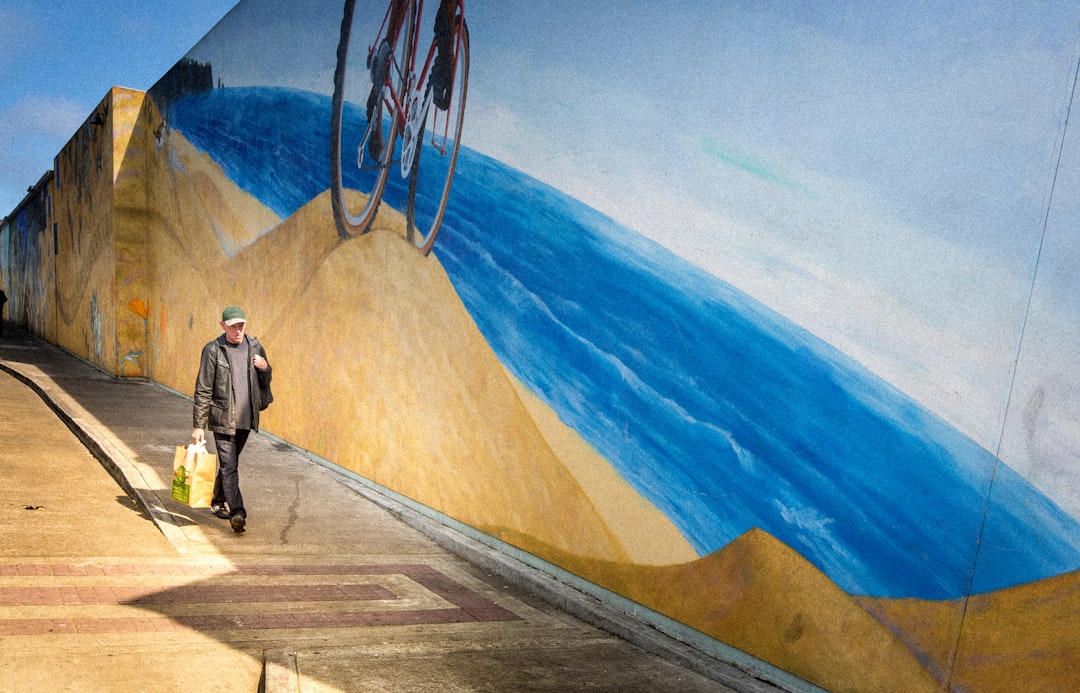
Breaking News: Dallas Whale Mural Sparks Legal Battle Ahead of World Cup 2026
In a case that ties street art to global events and public funding, a Dallas mural of life-sized whales has become the target of a $25 million lawsuit. The dispute arises after World Cup organizers reportedly covered the historic work with new artwork aimed at promoting the 2026 tournament. The action raises questions about art rights, city finances, and how large events can reshape urban spaces.
The mural, which covered roughly 17,000 square feet across two building façades, was a local landmark for nearly three decades. Supporters say it drew visitors and inspired conversations about ocean conservation; critics say the replacement project was meant to mirror a global moment and attract attention to the World Cup 2026.
What Happened and Who Is Involved
The central figure in the dispute is a professional muralist who painted life-sized whales on a downtown Dallas building. The artist contends that FIFA, the building owner, and the management company collaborated to erase the work without notice and without consent. The claim hinges on the legal protections that exist to safeguard certain public artworks from destruction or alteration.
On the other side, World Cup organizers insist they were acting within their rights to reimagine the cityscape to reflect the event and its global audience. They say a portion of Wyland’s mural would be preserved, but the bulk would be replaced by art meant to capture the energy and unity associated with the World Cup 2026.
To be clear, FIFA has stated that it is not involved in the decision-making process for the Dallas mural project, directing inquiries to the local organizing committee. The committee has not provided detailed public comments as of this publication, citing ongoing negotiations and legal review.
The Legal Framework: What VARA Does
The artist’s complaint invokes protections designed to shield certain public artworks from willful destruction or alteration. The Visual Artists Rights Act (VARA), passed in 1990, grants moral rights to artists of works of recognized stature that are displayed in a public or semi-public space. Critics of the decision argue that altering or painting over the mural could be a violation of those protections, depending on the status of the work and the terms under which it was displayed.
Art-law experts say VARA has teeth when a work is deemed a civic landmark, but enforcement often depends on the specifics, including whether the mural was commercially commissioned, whether there was a license or permit, and the degree of community attachment. The artist’s camp asserts that the work’s long-standing presence and conservation message should shield it from irreversible changes without notification or consent.
Financial Fallout: What This Means for Artists and Taxpayers
The $25 million demand mirrors broader concerns about the economics of public art. Public murals often rely on a mix of private donations, city funds, and, in some cases, event-driven sponsorships. When a mural is altered or removed, artists can pursue damages for the loss of potential revenue, reputational harm, and the value of the work itself. Taxpayers and city budgets are also in the spotlight, as futures of art grants or maintenance funds can shift when a high-profile project is disputed.
For the artist, the case highlights how a single commissioned work can shape financial stability for years or decades. If the court sides with the artist, it could spur a wave of new insurance and licensing deals tied to street art, as property owners seek clearer contractual language around public art installations facing city-led events or renovations.
Public investors and sponsors should take note. Big-city murals often rely on multi-year maintenance plans and contingency funding. When a mural becomes a legal battleground, there can be ripple effects: shifts in grant allocations, increased security costs for preserving art, and greater scrutiny of how cities manage art around large-scale events.
Dallas, World Cup 2026 and the Art Economy
Dallas is among several host cities preparing for the 2026 FIFA World Cup. The city’s organizing committee says new art will reflect the World Cup’s energy while acknowledging local heritage. The plan to replace or cover existing works is part of a broader strategy to create a visual narrative around the event for residents and visitors alike.
Economists warn that high-profile art decisions tied to global events can become quick talking points for local tourism and real estate markets. If the replaced mural attracts a different set of visitors or becomes a talking point in city budget debates, the decision could influence grants for artists, rehab projects, and educational programs tied to the arts economy.
What Do the Numbers Say?
- Size of the mural: roughly 17,000 square feet (1,580 square meters) across two walls.
- Time on wall: nearly 30 years before painting began to overpaint.
- Requested damages: at least $25 million in the lawsuit.
- Key players: the muralist, the building owner, the management company, and the local World Cup organizing committee (FIFA states it has no direct involvement).
- Legal lever: the Visual Artists Rights Act (VARA) cited by the artist’s team.
Public Reactions and Community Impact
Local residents who grew up admiring the mural say it was more than a decoration; it was a civic symbol that embodied conservation values and a sense of shared space. Social media posts and neighborhood forums show a split view: some applaud the city’s willingness to reimagine the space for a global audience, while others warn that erasing a long-standing landmark could erode trust in public art initiatives.
From an investment standpoint, the controversy invites a discussion about how cities budget for art in times of rapid change. Public art funds may be redirected to safe-keeping measures, such as protective coatings, digital documentation, or legal reserves to protect future projects from legal disputes. In the near term, homeowners and business owners near the mural could see changes in foot traffic, which affects local retail and services.
Key Data Snapshot for Readers
- Public art piece: life-sized whales mural on a Dallas building.
- Estimated area: 17,000 square feet across two walls.
- Duration prior to alteration: about 30 years.
- Legal claim: $25 million in damages tied to VARA protections.
- Involved parties: muralist, building owner, management company, local World Cup committee; FIFA says no direct involvement.
- Upcoming milestones: court filings and potential hearings as the case proceeds.
What This Means for Artists and Homeowners
For artists, the case underscores the need for clear contracts when art is displayed on private or semi-public property, especially in cities hosting large events. Insurance riders, advance permission clauses, and explicit consent about future alterations can shape a mural’s financial resilience. Homeowners and property managers, in turn, may seek stronger protections around public-facing artworks to guard against unexpected changes tied to city campaigns or event branding.
On a personal-finance level, local artists may explore more diverse revenue streams, such as commercial licensing, permanent installation contracts, and longer-term partnerships with civic groups. The broader art economy could see greater attention to risk management, with artists negotiating for explicit notification timelines and compensation for any required changes that affect value or visibility.
What to Watch Next
Legal observers anticipate how the court will interpret VARA in this context and whether the city’s plan to introduce new art for World Cup 2026 will stand alongside any preserved portions of the original mural. Anticipated milestones include a preliminary ruling on injunctive relief, potential settlement discussions, and further discovery about the ownership and responsibilities tied to the mural’s installation.
For residents and investors alike, the case is a reminder that public art intersects with civic identity and municipal finances. When art becomes a bargaining chip in global events, communities must weigh cultural value against economic goals and the practical costs of protecting or replacing public works.
Why It All Matters Now
As markets respond to a flurry of news about government budgets, tourism trends, and cultural investments, this mural dispute sits at the crossroads of art, law, and finance. The outcome could influence future agreements between artists, building owners, and cities when public art exists in the path of major events. The notion of a life-sized, community-loved work being altered for branding purposes raises fundamental questions about the sanctity of public art and the responsibilities of sponsors and municipalities to preserve cultural assets.
Closing Thoughts
The complaint frames a simple but powerful question: who decides what a city’s art should look like when a global event arrives? For the artist painted mural life-sized, the stakes extend beyond a single building to the broader movement of art rights in public spaces. For Dallas, the case could redefine how the city negotiates artistic visibility, community memory, and the financial considerations that come with a World Cup year. As this story develops, audiences will be watching not only for legal outcomes but for the signals it sends about how cities balance culture and commerce in a rapidly changing world.

Discussion