Leading The Heat: Why Cities Reconsider Pavement
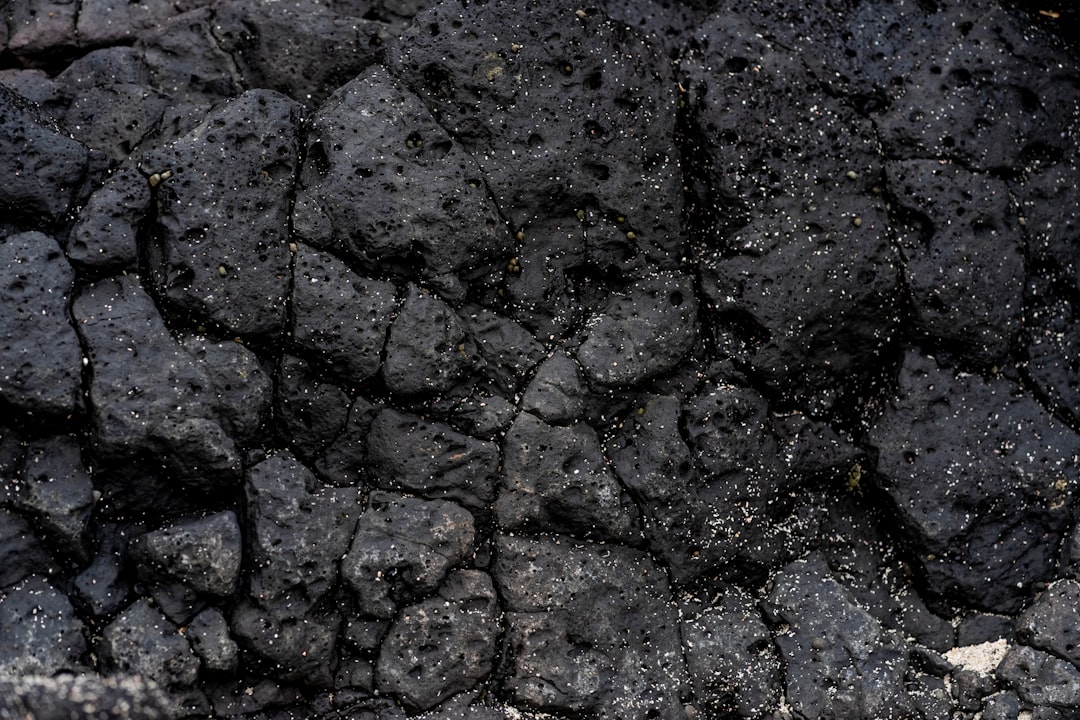
Across the United States, municipal leaders are confronting a widening challenge: a growing asphalt industry heat problem that ties urban comfort to budget health. As heat waves intensify and climate risks rise, planners are rolling out cooler pavements, permeable surfaces, and vegetation-based solutions to replace or augment traditional blacktop.
In early 2026, dozens of city programs moved beyond talk and into pilots that swap dark asphalt for materials that shed heat, drain better, and reduce flood risk. The shift is not just about temperature relief; it is about safeguarding property values, controlling maintenance costs, and keeping local economies resilient as weather patterns grow more extreme.
What Is Driving the Asphalt Industry Heat Problem
The asphalt industry heat problem is fueled by a convergence of climate change, aging infrastructure, and evolving urban design standards. Dark pavement acts like a heat magnet, elevating surface temperatures on hot afternoons and feeding into the broader urban heat island effect. At the same time, heavier rainfall events strain drainage systems, making flood risk a central municipal concern.
City staff say the math is clear: hotter days raise cooling costs for buildings and parking facilities, shorten the lifespan of adjacent pavement, and increase wear and tear on stormwater systems. The consequence is a tighter municipal budget and a growing demand for alternatives that can perform under both sun and storm.
Cities Rolling Out Cooler Alternatives
Municipal programs now feature a mix of porous concrete, permeable pavers, and landscaped or vegetated sections designed to pull rain through the surface instead of letting it pool. These choices are paired with policy shifts that reduce dependence on traditional parking lots and encourage greener in-between spaces.
Several case studies from 2025 through 2026 illustrate the range of approaches. A Virginia planning district deployed a mixed-use lot with porous concrete panels and native plant pockets to cut heat and improve drainage. In New Orleans, the public works department adopted permeable paving where feasible to address both heat and flood risk. Indianapolis has added bioretention areas and permeable grid patterns near cultural landmarks, while Denver has pushed a broader initiative to reduce impervious surfaces citywide.
Officials stress that the mix of solutions matters: a single material may lower surface temperatures, but a comprehensive strategy that includes landscaping, drainage, and updated parking policies delivers the strongest payoffs for homeowners and small businesses alike.
Key Data Points And Observations
- Upfront costs are a major consideration: analysts estimate permeable and porous alternatives can cost 15% to 25% more to install than traditional asphalt, depending on site conditions and the chosen materials.
- Long-term maintenance and flood protection: several pilots project ongoing maintenance savings of 10% to 20% annually due to better drainage and reduced puddling, though replacement cycles can vary by climate and soil.
- Heat reduction is material dependent: field tests on porous surfaces and vegetated sections show surface temperatures often cooler by several degrees, with some projects reporting 5–15 degrees Fahrenheit cooler days compared with conventional blacktop.
- Impact on parking policy: cities like Buffalo, Austin, and Minneapolis have loosened or revised minimum parking requirements to encourage redevelopment with flexible, cooler options and fewer paved spaces.
- Climate and resilience tie to private budgets: business owners and homeowners associations face higher upfront capital costs but can benefit from lower flood damages and cooling costs over time.
As a growing number of projects reach the one- to three-year mark, municipal finance offices are compiling case studies to estimate total cost of ownership for these alternatives across neighborhoods, commercial districts, and tourist zones. One city official summed up the shift: ‘We are betting on a future where the pavement itself helps manage heat and water, not just support cars.’
The Personal Finance Angle: Why Homeowners Should Watch
From a household budgeting perspective, the asphalt industry heat problem translates into practical decisions about driveways, parking pads, and HOA-maintained lots. Homeowners may see higher initial costs if they opt for permeable or vegetated designs, but the long-run savings come through lower cooling bills, reduced flood exposure, and less frequent maintenance repairs after heavy rains.
Small business owners and property managers also weigh the math. Parking lot upgrades can affect customer access, insurance premiums, and liability exposure during storms. In some cities, developers must incorporate more green space or pervious surfaces into new projects to comply with updated zoning or climate resilience rules, which can shift project budgets and timelines but yield longer-term savings.
Industry Voices: Cushions, Cautions, And Concrete Realities
Representatives of the asphalt sector emphasize that new materials have progressed, shrinking the gap between heat mitigation and durability. They point to ongoing research and pilot results that show porosity and surface textures can help move water more quickly and lower surface temperatures, while acknowledging upfront costs and maintenance considerations.
City planners, however, caution that not every site is a good fit for every alternative. A senior planner in a midwestern city noted that some permeable designs require careful soil assessment and maintenance planning to avoid clogged channels, especially in areas with heavy tree roots or fine sediment in runoff. ‘The asphalt industry heat problem is real, but it’s not a one-size-fits-all issue,’ she said.
Market Conditions And The Road Ahead
Budget cycles and capital planning in 2026 reflect a growing willingness to experiment with climate-resilient pavements. Federal and state grant programs aimed at resilience and sustainable infrastructure are increasingly funding pilot projects, helping cities manage upfront costs that would have been prohibitive a decade ago.
Private sector involvement is rising too, with larger property developers and shopping centers adopting permeable designs as part of broader sustainability commitments. Some firms are bundling pavement upgrades with other climate-forward improvements to secure incentives and insurance discounts tied to flood mitigation and heat mitigation features.
What Residents And Small Businesses Can Do Now
- Ask local officials for a pavement plan that includes heat mitigation and drainage improvements scheduled with transparent costs and maintenance expectations.
- Consider choosing cooler pavement options for driveways or parking areas when planning replacements, and factor in potential long-term energy savings.
- Support policies that allow flexible parking requirements in mixed-use developments, which can unlock more green space and better drainage in a cost-effective way.
- Monitor local infrastructure funds and resilience grants; grants can offset upfront costs for cooler and permeable surfaces.
Bottom Line: The Asphalt Industry Heat Problem Is Reshaping Local Finances
As cities grapple with the asphalt industry heat problem, the push toward cooler pavements and smarter drainage is becoming a central piece of municipal finance and urban planning. The shift promises to curb heat-related energy costs, reduce flood damages, and preserve property values in neighborhoods most exposed to sun and rain. Yet the road ahead is not uniform: what works downtown may not suit a suburban cul-de-sac, and what is affordable next year may carry a different price tag five years from now.
For homeowners and small business owners paying attention to municipal budgets and climate resilience, the message is clear: the pavement you see every day is becoming a key part of personal finances, not just public works. The asphalt industry heat problem has moved from technical debates to everyday budgeting, and the consequences will ripple through the way communities grow, invest, and protect their residents in a warming world.
Discussion