Key Developments Up Front
Markets and governments are watching a flare-up in the Persian Gulf after Bahrain announced the arrest of 41 individuals it described as linked to Iran’s Revolutionary Guards. The move comes just hours after the United States said it struck two Iranian oil tankers and repelled attacks on multiple U.S. Navy vessels in the Strait of Hormuz. The clash of actions risks renewed disruption to energy flows and regional stability.
Officials said the arrests are part of ongoing investigations, with few details released publicly. The interior ministry’s brief statement stressed security concerns without outlining evidence or targets. In a tense regional balance, authorities warned that disruption to shipping through the Hormuz corridor would have broad consequences for global markets.
The U.S. pullback and retaliation narrative continues to unfold as Washington awaits Iran’s response to its latest proposal aimed at ending hostilities, reopening Hormuz to shipping, and curbing Tehran’s nuclear program. Friday’s attacks have already cast doubt on a month-old ceasefire that Washington has said remains in effect for now.
Raising the Stakes: Bahrain’s Strategic Role
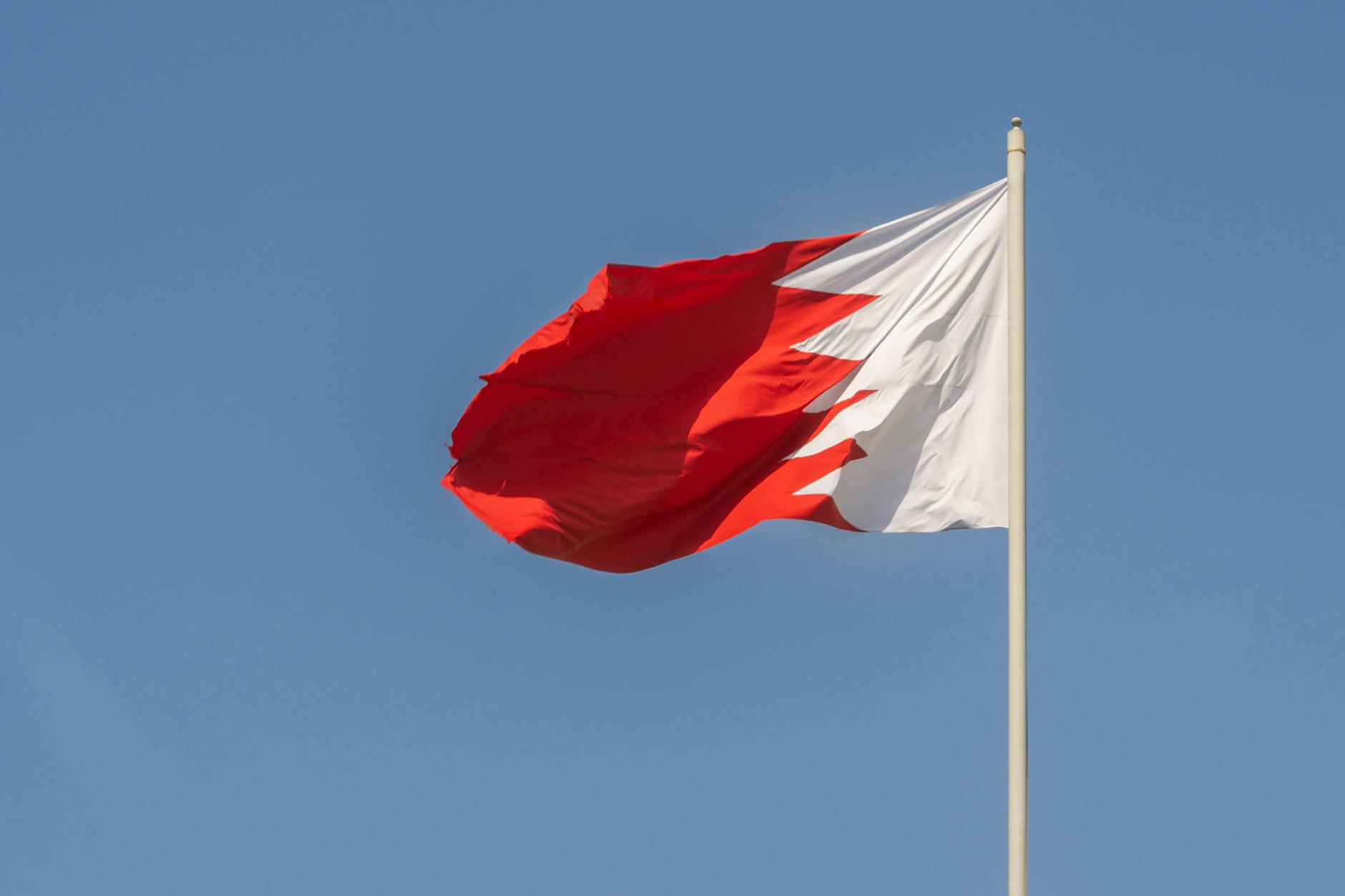
bahrain, which hosts u.s., sits at the center of U.S. military presence in the Middle East. The small island nation hosts the Fifth Fleet, a backbone of maritime security in a region where energy corridors and conflict can collide with global oil markets. Human rights monitors have long warned that security pretexts in Bahrain could be used to suppress dissent, a concern that gains new weight amid regional tensions.
Iran’s leadership promptly warned against alignment with Western-backed resolutions, signaling that the latest detentions could escalate rhetoric on a wider stage. The head of Iran’s parliamentary security commission warned that any move to shut Hormuz or to further isolate Tehran would invite serious consequences.
Market and Financial Implications
Energy prices moved higher in early trading as traders priced in increased risk to shipping routes and potential supply disruptions. Brent crude rose roughly 2% on the session, trading near $82 per barrel, while U.S. West Texas Intermediate (WTI) hovered around the mid-$70s to low-$80s per barrel range. Traders note that any sustained disruption to Hormuz could push prices higher in the weeks ahead.
Beyond oil, the episode has the potential to ripple through stocks tied to energy and transport, as well as regions through which trade flows pass. Markets overseas also moved as investors weighed the risk of prolonged tension and its impact on inflation, central bank policy, and currency markets. In the currency space, investors looked for safe havens as volatility ticked higher in global trading.
What This Means for Personal Finances
For everyday households, the immediate impact is likely higher fuel costs at the pump and through home heating during shoulder-season demand. Even a moderate push in gas prices can influence grocery bills, commute costs, and discretionary travel budgets. Financial planning around fuel usage, airline tickets, and vacation timing may need adjustment in response to shifting oil prices.
Investors should consider the spillover risks from geopolitics into portfolios. The period of elevated risk can favor diversified approaches, with some households leaning toward essential-spend preservation and others reassessing risk tolerance in equities tied to energy, shipping, and consumer staples.
- Oil price range: Brent near $82/bbl; WTI near the mid-$70s to low-$80s range.
- Shipping risk: Hormuz disruptions could heighten insurance costs for cargo and energy flows.
- Household budgeting: Expect higher gasoline and heating costs if tensions persist.
Context and Possible Scenarios
Analysts say the situation remains fluid. If the current detentions are part of a broader crackdown, regional tensions could persist, sparking continued volatility in energy markets and financial markets. If diplomatic progress accelerates and Hormuz remains open, price volatility might ease in the near term. In either scenario, the risk premium attached to Middle East headlines is unlikely to fade quickly.

The international community watches for a response to ongoing diplomacy efforts that seek to balance security with economic openness. Until a durable framework emerges, investors and households should plan for continued surprises, particularly around energy and transportation costs.
Context: Bahrain’s Role and Regional Dynamics
The arrest decisions come as Bahrain, which hosts u.s., operates in a high-stakes landscape where security, energy, and diplomacy intersect. The U.S. has argued that a stable Hormuz is essential to global energy supply, while Iran has warned against actions it views as coercive. The latest events amplify calls for cautious budgeting and flexible planning at both the national and household levels.
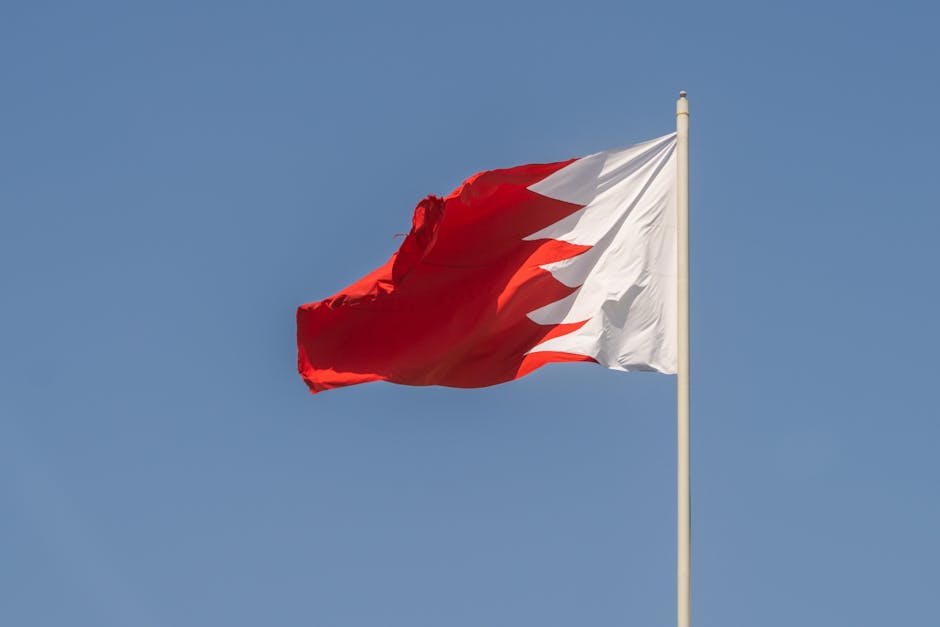
Observers note that Bahrain’s security posture has always intertwined with economic interests, including defense spending, port activities, and the regional economy. Critics point to the risk that security crackdowns could spur domestic tensions, potentially affecting tourism, foreign investment, and local business sentiment.
Data At a Glance
Bottom Line
The latest sequence of arrests and military moves underscores how quickly regional tensions can translate into market moves and everyday costs. For households and investors, the core takeaway is clarity on personal budgets and risk tolerance amid evolving security dynamics in the Middle East, especially given that Bahrain, which hosts u.s., remains a pivotal node in the region’s security architecture. As talks progress or stall, remain prepared for further shifts in energy prices, shipping costs, and market volatility.

Discussion