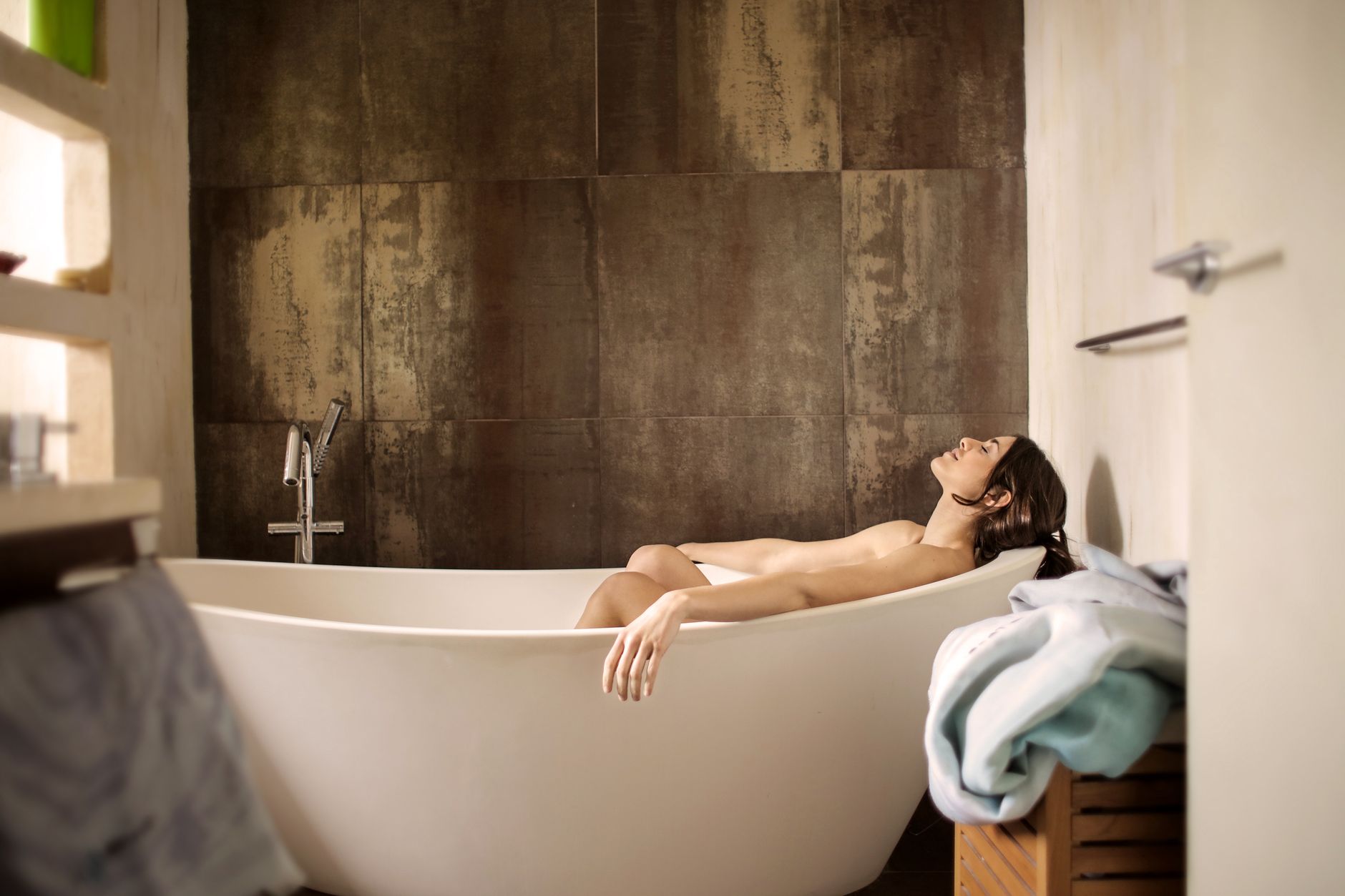
Ice-Cold Trend Goes From Gym Floors to Kitchen Islands
Across the United States, households are spending more on at‑home cold plunge setups as the wellness trend goes mainstream. From compact tubs sold online to high-end installations that resemble spa fixtures, the trend is moving beyond elite athletes into living rooms and backyard patios. Consumers are drawn by the promise of faster recovery, better sleep, and sharper mood—claims that are easy to test in a market where suppliers advertise products as "natural recovery tech."
But the headline benefit is not universally proven. The idea that baths really soothe sore muscles is appealing, and many buyers insist the effect is real. Yet medical experts warn that even when cold exposure eases pain, it does not substitute for ongoing treatment of underlying conditions. The result is a market with enthusiastic shoppers and cautious clinicians alike.
What the Science Says About Sore Muscles, Sleep and Mood
Researchers describe cold exposure as a reversible approach that reduces local inflammation and numbs nerve endings. In practical terms, many users report less immediate soreness after a session, which can help athletes stick to training plans. Still, experts caution that the body’s inflammatory processes are also part of tissue repair, so repeated cold exposure should not replace proper rehabilitation strategies.
When it comes to sleep, the evidence is mixed. Some small studies linked to athletic training suggested minor improvements in sleep quality after intense cold exposure, while broader reviews found no consistent sleep advantage. Mood effects appear more variable. Some people report a lift in alertness and focus after a cold plunge, while others see little change. In many cases, experts say perceived benefits may hinge on the placebo effect—the power of belief in a treatment’s effectiveness.
Dr. Elena Park, a sports medicine physician, explains it this way: “Cold exposure acts as a temporary anesthetic for painful spots and can temporarily dampen inflammation. That can make daily activities more tolerable, but it’s not a cure for chronic pain or mood disorders.”
For chronic pain and autoimmune conditions, physicians stress caution. “If pain becomes a constant feature for years, the brain can recalibrate to become more sensitive to the sensation,” notes Dr. Raj Patel, a pain management specialist. He adds that cold therapy can be a useful adjunct, but it should be part of a broader management plan agreed with a healthcare professional.
Cost of Chasing the Cold: What It Means for Your Wallet
The financial footprint of the cold plunge trend is rising. A growing segment of buyers invest in home equipment, and many households opt for spa memberships or clinic sessions to test benefits before committing to a full installation.

- Entry-level setups: Basic insulated tubs with cold-water capability typically start around $800 to $1,200. Those units are simple and require manual filling and maintenance.
- Mid-range options: Freestanding plunge tubs with better insulation and control features generally run $1,500 to $3,500. These models are designed for daily use and keep water temperature more stable.
- Premium systems: High-end installations with advanced temperature controls, filtration systems, and ergonomic designs can cost $3,500 to $6,000 or more, sometimes including professional setup.
- Ongoing costs: Electricity use is modest but not negligible. A 10–15 minute daily session could add a few dollars per month to a household bill, depending on local rates and equipment efficiency.
- Alternatives: Gym or medical spa visits offer similar experiences without upfront purchase, typically priced at $60–$120 per session or monthly memberships in the $120–$300 range for limited access options.
For many families, the math comes down to frequency and lifestyle. Those who train most days, or who value isolation from daily noise, may find a home unit economically sensible over time. Others may prefer to test benefits first in a clinic or gym setting before investing heavily.
Consumer Voices: Real World Returns and Realistic Limits
People who have adopted baths really soothe sore routines say the practice fits their schedules and budgets. A carpenter in Denver notes that keeping a compact tub in his garage minimizes post-workout downtime and helps him stay consistent during peak season. A nurse in Milwaukee adds that the routine feels almost meditative, allowing a mental reset after shifts.
Not every user reports dramatic results. A mom in Portland describes mixed outcomes: “Some days the cold plunge helps me bounce back, other days I feel no different.” Clinicians emphasize moderation and context. The goal is less about a miracle cure and more about a tool that can complement a broader recovery or wellness plan.
Risks and Practical Precautions
- People with cardiovascular conditions should seek medical guidance before starting cold exposure therapies, as extreme temperature shifts can stress the heart.
- Avoid prolonged immersion; most recommendations center on brief sessions (5–15 minutes) at temperatures around 50–59°F (10–15°C).
- Always supervise cold water use, especially for older adults and beginners, to prevent slips or hypothermia.
- Support systems—proper drainage, clean water, and safe electrical setup—are essential to prevent safety hazards or mold growth.
Market Signals and What Investors Should Watch
As consumers weigh the value of baths really soothe sore benefits against the price of equipment, several market signals are worth noting. Wellness equipment brands report higher demand for home cold therapy gear, and some retailers are bundling cold plunges with complementary recovery products like percussion massagers and breathable recovery wear.
Analysts caution that the science remains mixed, which can slow mass adoption. Still, the sheer convenience of a home setup and ongoing interest in performance optimization suggest the space will continue to attract buyers who are comfortable blending wellness with personal finance planning. For investors and financial planners, that means evaluating consumer confidence and discretionary spending on nonessential health items when analyzing retail and wellness sector trends.
Key Takeaways for Households in 2026
- Effectiveness varies: Baths really soothe sore in some people for short-term relief, but it is not a universal cure for pain, sleep issues, or mood disorders.
- Costs matter: A home cold plunge can range from about $800 to $6,000, with ongoing electricity and maintenance costs that should be budgeted.
- Use as part of a plan: Cold exposure is best considered a supplementary tool alongside established medical care and evidence-based recovery strategies.
- Don’t chase hype at the expense of finance: If the investment strains savings or debt limits, consider testing benefits with gym sessions or short-term trials before committing.
Bottom Line: Do Baths Really Soothe Sore Worth Your Money?
For households weighing the return on investment, the verdict remains nuanced. Baths really soothe sore may be true for immediate discomfort and for some people seeking a cognitive reset, but the broader claims about sleep and mood are not consistently supported by robust science. As the market for home cold therapy grows, shoppers should balance potential personal benefits against upfront costs and long-term commitments. In the end, the real payoff may be less about the temperature of the water and more about disciplined use, realistic expectations, and sound financial planning.




Discussion