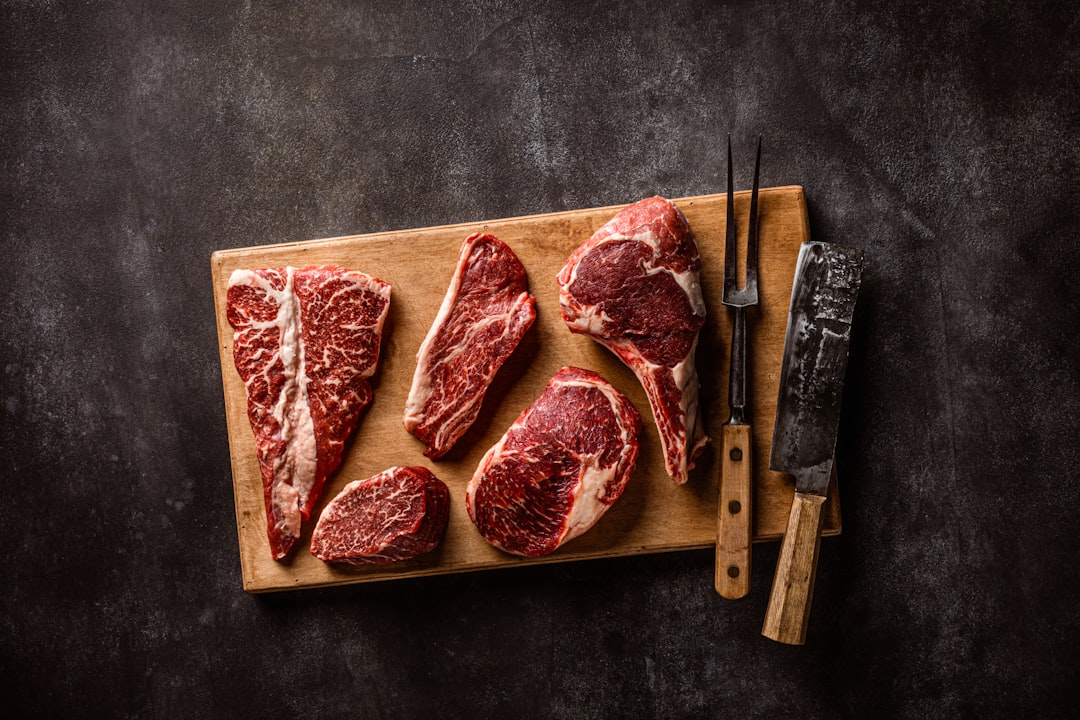
Market Snapshot: Beef Costs Stay High as Demand Outpaces Supply
Retail shelves reveal a stubborn reality for households: beef costs are not easing. In April, ground beef touched a fresh high near $6.90 per pound, a jump from the prior year. By May, beef steaks averaged about $12.80 per pound, up roughly 16% year over year. While some relief has appeared since spring, analysts say the path to lower prices remains uncertain.
Beyond seasonal shifts, economists say the mix of tight supply and robust demand is anchoring prices. The broader market is watching closely as nutrition guidance increasingly emphasizes protein, and consumers lean into higher-protein options for meals and snacks.
“Beef prices are behaving like a long-term trend rather than a short spike,” said a senior economist who studies protein markets. “The combination of inventory constraints and persistent demand is keeping prices elevated.”
Why the Prices Remain Elevated: Drought, Herd Sizes, and Demand
Two forces are shaping the beef market: supply fragility and demand resilience. The American Farm Bureau Federation notes cattle inventories are at a 75-year low, a result of ongoing drought, higher financing costs, and rising production expenses. As of January, the cattle herd was down about 8.2 million animals, or 8.6% from 2020, underscoring how drought and costs have slimmed herds over multiple seasons.
Analysts expect the herd to stay compressed for years. The Farm Bureau projects cattle numbers will remain depressed through 2028, meaning supply is unlikely to rebound quickly even if conditions improve. On the demand side, consumers have shown a growing appetite for protein-rich foods, a trend reinforced by dietary guidelines that highlight protein as a staple component of daily meals.
“Meat demand has strengthened alongside broader protein-focused eating patterns,” said Glynn Tonsor, a professor of agricultural economics at Kansas State University. “Beef is in a favorable blend of taste preference and nutrition guidance, which sustains higher pricing power.”
Outlook and Forecasts: What the USDA and Farm Bureau Expect
The forecast landscape remains cautiously tense. The U.S. Department of Agriculture projects beef prices will rise by about 10.1% in 2026, though the pace of inflation could swing within a wide band—roughly 2.8% to 18.3% depending on weather, feed costs, and export demand. Those numbers imply a continued period where shoppers face higher-than-average grocery bills for beef products.
Farm Bureau projections underscore a longer horizon. With cattle inventories likely to stay constrained for several years, the bureau sees prices lingering at elevated levels. The message is not a blip but a structural shift in the beef market, influenced by drought-driven herd reductions and ongoing production costs.
What This Means for Households: Beef Becoming Luxury Prices
For many families, the question is not only how much beef costs today, but how it fits into weekly budgets. The current dynamics are making beef becoming luxury prices a practical reality for many shoppers, who are adjusting by buying smaller portions, mixing in cheaper proteins, and planning meals more deliberately around promotions.
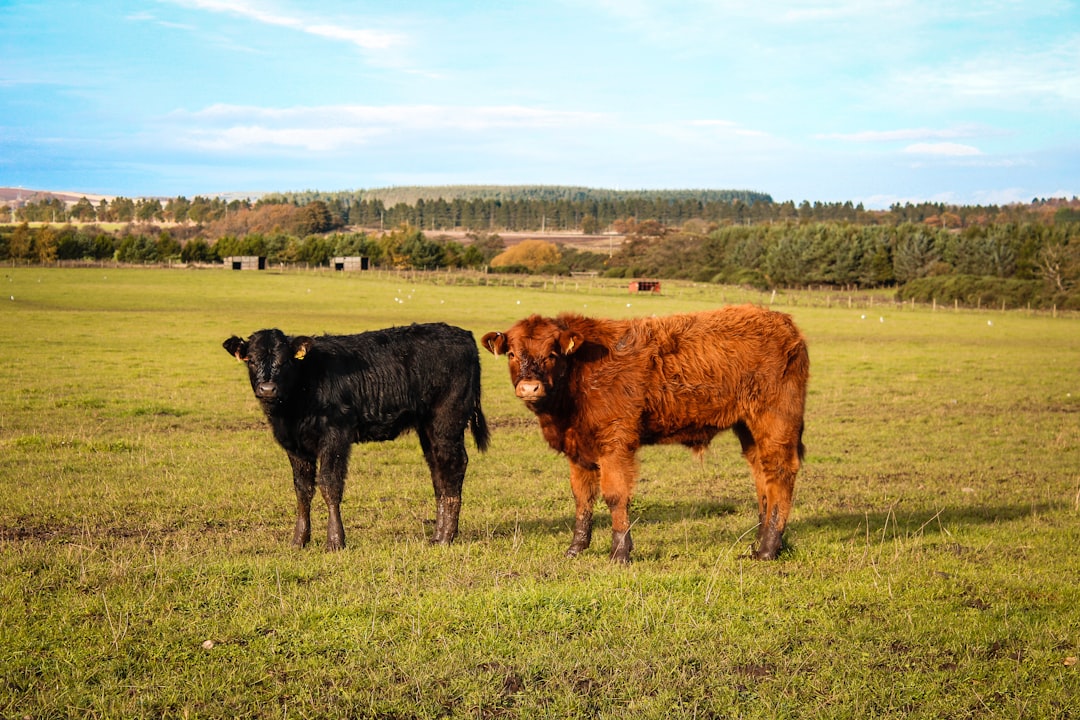
Even as beef prices maintain their high floor, households are adapting in other ways. Some are choosing ground beef when feasible, while others increase plant-based or poultry options to stretch per-meal nutrition without blowing the budget. Suppliers and grocers are likewise recalibrating promotions, stocking mixes, and meal kits to reflect the evolving demand.
What to Watch Next: Key Data Points to Track
- Ground beef price in April: about $6.90 per pound
- Beef steaks price in May: around $12.80 per pound
- Cattle inventory: down 8.2 million animals, 8.6% below 2020 levels
- Inventory trend: 75-year low, with projections for recovery not expected before 2028
- USDA 2026 forecast: beef prices up ~10.1% with a wide inflation range (2.8%–18.3%)
- Farm Bureau stance: persistent low herd sizes through 2028, contributing to sustained price pressure
Bottom Line: The Market Keeps Beef Prices Elevated
As producers navigate drought, feed costs, and financing, while consumers lean into higher-protein diets, beef prices are likely to hover near record highs for the foreseeable future. The combination of tight cattle inventories and steady demand supports a continued era of elevated beef costs, reinforcing the idea that beef becoming luxury prices could persist through 2028, with uneven moves along the way.

Discussion