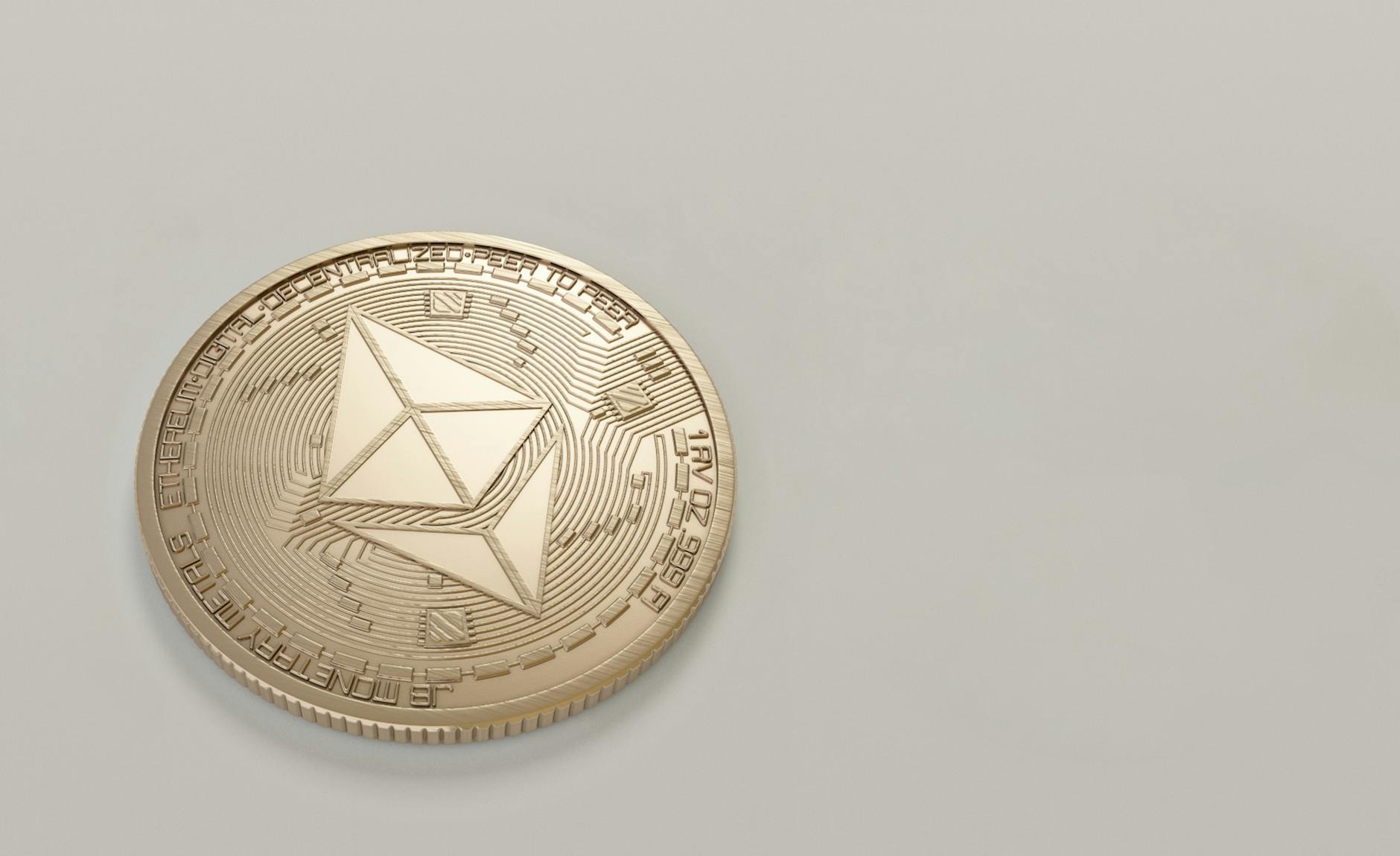
Crypto Start Sparks Debate: The Market Is Watching for a Bend
Bitcoin and Ethereum opened 2026 on an uncomfortable note, delivering their steepest year-to-date declines in more than a decade. As of late February, bitcoin traded near the mid 60s thousands, while ethereum hovered around the $2,000 level. The moves have chilled risk appetite across crypto markets and prompted a flurry of questions about whether a bottom is in sight.
The latest price action fits a broader narrative: a crypto space that has wrestled with inflation, rising rates, and shifting liquidity yet refuses to collapse outright. Investors are scanning for catalysts that could spark a renewed bid or at least stabilize price swings after a tumultuous start to the year.
The Data Behind The Decline
Two of the largest digital assets by market capitalization have endured a heavy pullback at the outset of 2026. Bitcoin is off roughly a quarter from Jan 1 levels, while ethereum has fallen by more than a third. The declines come despite pockets of resilience in traditional markets and a firmer tone in some risk assets later in the period.
- Bitcoin: down about 24% YTD, near the $66,000–$67,000 area
- Ethereum: down roughly 34% YTD, trading around $1,950–$2,050
- Equities: S&P 500 up marginally year-to-date; Dow Jones Industrial Average showing gains in the 2% range
- Safe havens: Gold has advanced notably, bouncing higher as equity correlations shift
Market watchers describe the initial stretch as the worst start to a year for both assets in more than a decade, underscoring a rare divergence from broader asset classes that have shown some resilience. The data paints a clear picture of pain for long-only, risk-on crypto traders while space remains highly sensitive to macro surprises.
Crypto Winter Or Just A Pause?
Across trading desks, the mood toward the crypto space has shifted from exuberance to caution. Some observers argue that the sector has entered a new phase that feels like a “Crypto Winter,” even after Bitcoin briefly touched all-time highs just months earlier. The term reflects a more persistent risk-off stance and a slower pace of new demand from institutional participants.

Analysts point to a mix of factors: higher rates weighing on risk assets, shifts in liquidity from major market makers, and regulatory developments that keep pricing models cautious. Yet the same voices caution that the downturn could prove temporary if the macro backdrop improves or if on-chain activity starts to reaccelerate.
“We’re seeing a real shift in how investors react to crypto news. The responses are slower, and price swings are more pronounced,” notes Maria Chen, senior strategist at NovaCrypto Research. “If funding conditions ease and network metrics show life, the downside could fade sooner than expected.”
Despite the downturn, some indicators hint at potential improvements ahead. On-chain activity, seasonal liquidity, and developer momentum have not vanished entirely, and a handful of new product launches and institutional mentions could help reframe risk appetite later in the quarter.
Bitcoin, Ethereum And Their Worst Start — A Shared Challenge
The phrase bitcoin ethereum their worst has circulated in market chats as traders debate whether the pullback is a prelude to a durable bottom or a preface to further losses. That framing captures how the two largest cryptocurrencies are often treated as a proxy for broader crypto confidence and liquidity flow. If traders fear drawdowns in risk assets, both assets suffer; if inflation cools and rates stabilize, a bounce could unfold sooner than later.

From a portfolio perspective, the selloff intersects with broader strategy questions: how much crypto should be owned as a hedge, how much liquidity should be kept on the sidelines, and what level of volatility is tolerable in pursuit of longer-term growth. The current setup forces a recalibration, particularly for retirement savers and DIY investors watching the space for gains outside traditional markets.
What Could Kickstart A Rebound?
While acknowledging the risk, several catalysts could spark a rebound for bitcoin and ethereum. First, a shift in macro signals—such as easing inflation or a softer-than-expected rate path—could renew appetite for high-beta assets, including crypto. Second, improved on-chain metrics, like growing active addresses and rising transaction velocity, would suggest that user engagement is returning. Finally, institutional adoption, whether through regulated products or large-scale hedge fund inflows, could provide a fresh influx of capital and credibility to the sector.
Industry participants emphasize that timing is everything. A constructive beat on inflation data or a renewed appetite for risk could unlock a momentary bid. Even if a sharp rally remains uncertain, a steady crawl higher could provide relief to investors who have sat on the sidelines for months.
What To Watch In The Next Weeks
- Macro prints: Inflation trends, wage growth, and the pace of rate cuts or pauses
- Crypto-specific signals: On-chain activity, hashrate stability, and exchange reserve flows
- Regulatory developments: Any clarity on upcoming rules or approvals for crypto products
- Market sentiment: Fund flows, ETF activity, and retail participation
For investors, the path forward may involve a mix of patience and selective exposure. Diversification within the crypto space, a clear risk budget, and a plan for rebalancing during volatility will likely be key elements of any strategy designed to weather bitcoin ethereum their worst start and position for a potential rebound.

Bottom Line: A Risk-Adjusted View
The early 2026 stretch for bitcoin and ethereum is painful, but not unprecedented in a market that often tests conviction before rewarding discipline. The current move is a reminder that crypto markets can swing on the smallest signals, even as the underlying technology and developer ecosystems continue to mature. As traders weigh whether this is a prologue to a broader bearish spell or the set-up for a rebound, the next few weeks will be telling for both the macro backdrop and the crypto narrative.
Investors should stay focused on disciplined risk controls, keep an eye on liquidity dynamics, and differentiate between short-term volatility and longer-term value. If the macro cycle shifts as many expect, the crypto markets could begin to perch themselves for a steadier climb. Until then, the story remains rooted in price action, resilience, and the constant tension between fear and opportunity in the digital-asset landscape.
Discussion