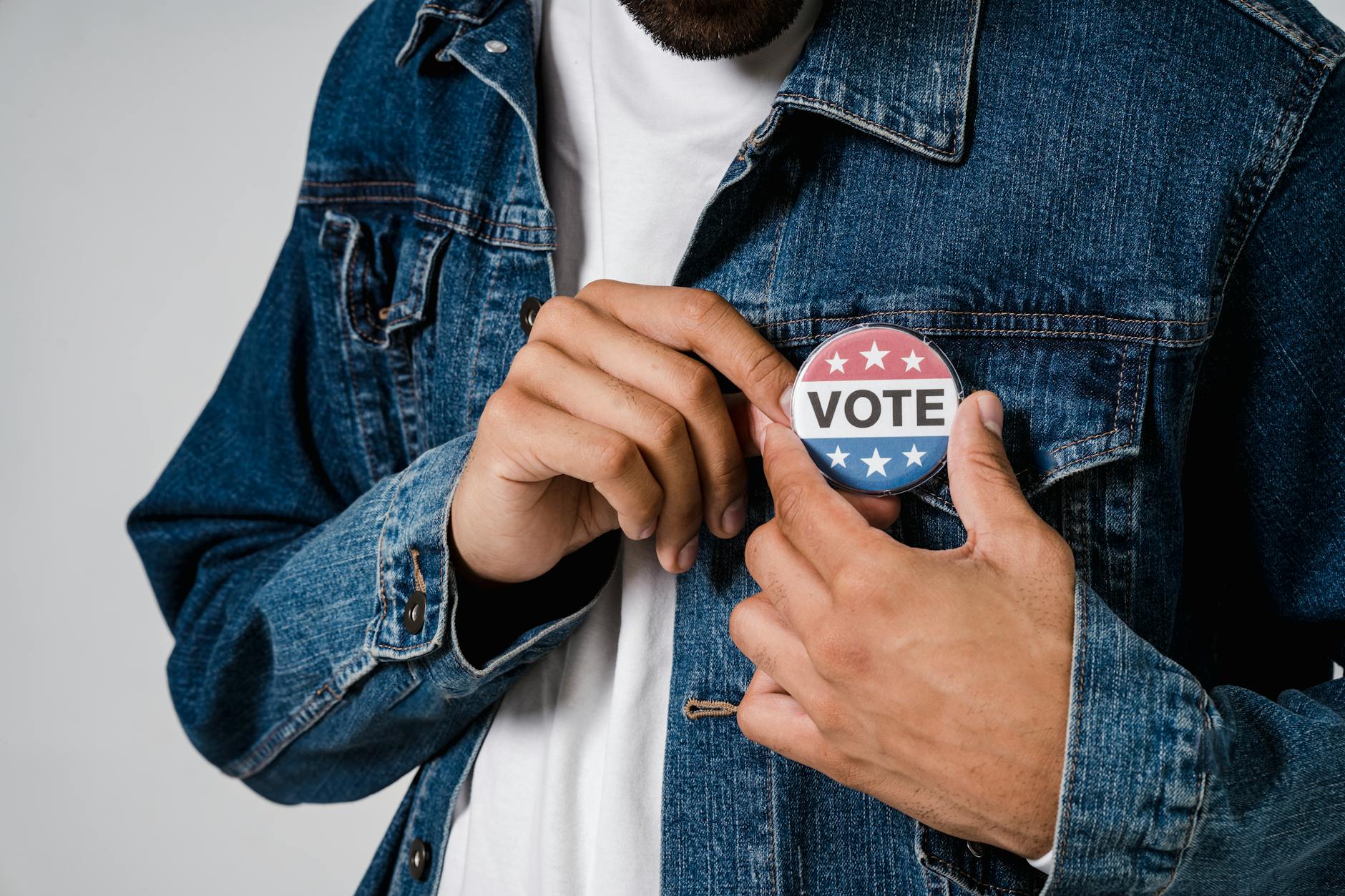
Private Markets Enter Campaign Offices as Primaries Heat Up
With the 2026 primary season in full swing, a little-noticed trend is drawing attention in campaign offices across the country: private prediction markets tied to election outcomes. In interviews with reporters, several former aides and current staffers described using internal betting pools that hinge on polling shifts and race results. Some estimate that winnings in a single cycle can run into the thousands of dollars for a handful of staffers, creating a new kind of personal finance dynamic inside campaigns.
This isn’t a public, regulated exchange. The bets are placed on closed platforms that only campaign insiders can access, with limited external oversight. Critics warn that the same data staffers use to craft messages could be driving real-time bets, creating potential conflicts of interest and leaks that undermine trust in the process. The People’s economy may benefit, but those benefits come with a new set of risks to integrity and accountability.
How It Works In Practice
In these hidden markets, bets are placed on probabilistic outcomes—who leads a poll in a key district, whether a candidate will win a given primary, or which surrogate will perform best in a debate. The exchanges integrate polling snapshots, campaign sentiment, and public signals. The result is a dynamic, real-time wager that can mirror casino-style betting or fantasy sports pools, but with political stakes.
Experts say the mechanics resemble standard prediction markets in spirit: participants buy and sell contracts whose payoff depends on future events. But the key difference is access and opacity—these are internal ecosystems, not publicly regulated, making oversight and risk management far murkier.
Voices From The Field
One veteran operative, who asked to remain anonymous, framed the phenomenon bluntly: campaign staffers tell they are betting on their own races through private markets, often using polling readouts that are never released to the public. "We were told to focus on the messaging, not the money, but the money shows up anyway," the person said.
Another participant emphasized the potential upside and the tension it creates. "When your name is attached to a bet, it changes how you view a poll flip or a late surge in support," they said. "It adds a personal financial incentive to interpret data in a certain way. That is not what people expect in a campaign office."
In a separate line of interviews, insiders described the phrase campaign staffers tell they as a recurring talking point in wiring discussions and debriefs. During the talks, a veteran operator repeated a blunt line: campaign staffers tell they are betting on their own races through private markets. The comment underscored the central concern: insiders acknowledge that the betting activity exists and is tied to the work they do every day.
The Numbers Behind The Bets
- Typical bet sizes reported range from roughly $500 to $5,000 per race, depending on the campaign and race significance.
- Several aides say winnings can amount to thousands of dollars per season for a few participants, with some claiming tens of thousands across multiple races.
- Activity spikes around high-stakes contests (swing districts, declared battlegrounds, and open-seat races) as campaigns push disciplined messaging and rapid response plays.
- Private markets are described as largely opaque, with limited visibility into who is betting and how much is at stake beyond the individuals involved.
- Ethical guardrails, where present, are ad hoc—ranging from non-disclosure agreements to internal policies that exclude certain teams from participating or from accessing specific data.
Why This Is Happening Now
The convergence of rapid polling, aggressive fundraising, and the transparency goals of modern campaigns has created a fertile ground for alternative financing and incentives. In May 2026, several primary contests are coming down to the wire, heightening the appeal of any instrument that could sharpen decision-making, or so insiders claim. The same dynamics that fuel microtargeting and real-time messaging also feed appetite for private bets tied to those same signals.

Observers say the practice is not illegal in many jurisdictions, but the lack of public disclosure and the potential for conflicts of interest puts it in a gray zone. For campaigns, the question is whether the financial upside justifies the perception risk and potential harm to public trust.
Potential Risks And Reponses
Ethics experts warn that mixing personal financial gain with campaign data creates a fertile ground for improper influence, leaks, or favoritism. The concerns aren’t purely theoretical: a single leaked contract, an offhand remark, or an ambiguous poll margin can tilt decision-making in subtle ways. For campaigns trying to preserve an image of neutrality and transparency, the trend poses a reputational risk that may be harder to manage than any fundraising hurdle.
Campaigns that acknowledge the practice say they have implemented limits and oversight where possible, with some adult staffers taking part only if they absolve themselves of access to sensitive polling data during bets. Yet critics argue that any form of inside betting, even if voluntary, erodes the public’s trust in the process and undermines the principle of fair competition.
What This Means For Voters And Markets
For voters, the emergence of private betting tied to election outcomes signals a broader shift in how campaigns monitor, interpret, and monetize data. If these markets grow, they could influence how campaigns allocate resources, set priorities, and time the release of information—potentially accelerating or distorting public messaging cycles.
From a market perspective, the trend raises questions about the governance of prediction markets, especially when insiders can leverage polling data to profit. Regulators and ethics watchdogs may soon seek more clarity around access controls, data sharing, and disclosure norms to prevent conflicts of interest from undermining the integrity of both campaigns and the electoral process.
Key Takeaways
- Private prediction markets are increasingly used inside some campaigns to wager on election outcomes.
- Winnings can be meaningful, with insiders describing thousands of dollars in potential gains per season.
- The practice raises ethics and transparency concerns at a time when trust in elections is a national priority.
- Policy discussions may intensify as campaigns and watchdogs weigh the balance between innovation and integrity.

Discussion