Surprise Upset in Iowa Gubernatorial Primary Stuns Markets
On Tuesday, June 3, 2026, Mason Reed, a relatively unknown businessman-farmer, captured a dramatic victory in Iowa’s Republican gubernatorial primary, toppling Trump-endorsed Rep. Randy Feenstra by a narrow margin. Reed’s win, powered by rural turnout and a message centered on regenerative farming and curbing big‑ag monopolies, capped a primary season that had already tested the former president’s grip on his political coalition.
Early returns showed Reed with about 365,000 ballots cast statewide and a margin of roughly 4.5 percentage points. With the final precincts reporting, Reed held 52.3% to Feenstra’s 47.7%. The result reverberated beyond Iowa, drawing attention from farm lenders, agribusiness groups, and the broader field of GOP hopefuls watching how the party balances traditional rural loyalties with a growing movement toward sustainable farming practices.
Reed’s victory speech carried a crisp focus on a farming economy in flux. “I will stand up to the big ag cartels. I will break up their monopolies, and I will get Iowa farmers a fair deal,” he said, addressing a crowd that included dozens of family farm operators and rural small-business owners. The remarks echoed a broader theme in his campaign: shift from entrenched agribusiness power toward practical strategies that reduce input costs and improve soil health.
The Trump campaign, which had invested heavily in Feenstra’s gubernatorial bid, acknowledged the result in a statement noting that the primary season had produced several surprising twists. “This race shows we’re in a dynamic political environment where local farmers examine more than party labels,” the aide said, signaling the potential for a tighter general election in November.
The Policy Fight at the Core: Pesticides, Regenerative Farming, and Big Ag
At the heart of Reed’s platform is a contrasting vision for how Iowa’s farms should operate. Reed has framed his agenda around regenerative agriculture, reduced reliance on synthetic pesticides, and a reimagining of incentive programs that currently channel billions toward large agribusiness models. In his view, a restructured system would protect soil, water quality, and long‑term farm viability while reducing exposure to volatile input costs for family farmers.
Critics in the make-America-healthy-movement and its allied voices argue that Reed’s approach could shift state policy away from traditional, large‑scale ag mayhem in favor of diversified operations and soil-first farming. The MAHA coalition, aligned with Health Secretary Robert F. Kennedy Jr., has supported Reed’s plan, highlighting the compatibility of public health goals with sustainable farming practices. “A farm economy that leans on healthier soils and fewer toxic inputs is good business, not just good health,” said a MAHA spokesperson.
Observers note that the primary results complicate Trump’s broader political calculus as he fights to maintain influence in conservative, rural states. Agriculture policy has become a flashpoint, given rising fertilizer costs and volatile commodity markets. If Reed’s platform edges into the governor’s office, Iowa farmers could see shifts in state-level incentives, licensing of certain inputs, and state-funded support for soil-conservation programs—an area many farmers consider crucial to long-term financial stability.
Rooted in a Century-Long Family Legacy: iowa farm been family
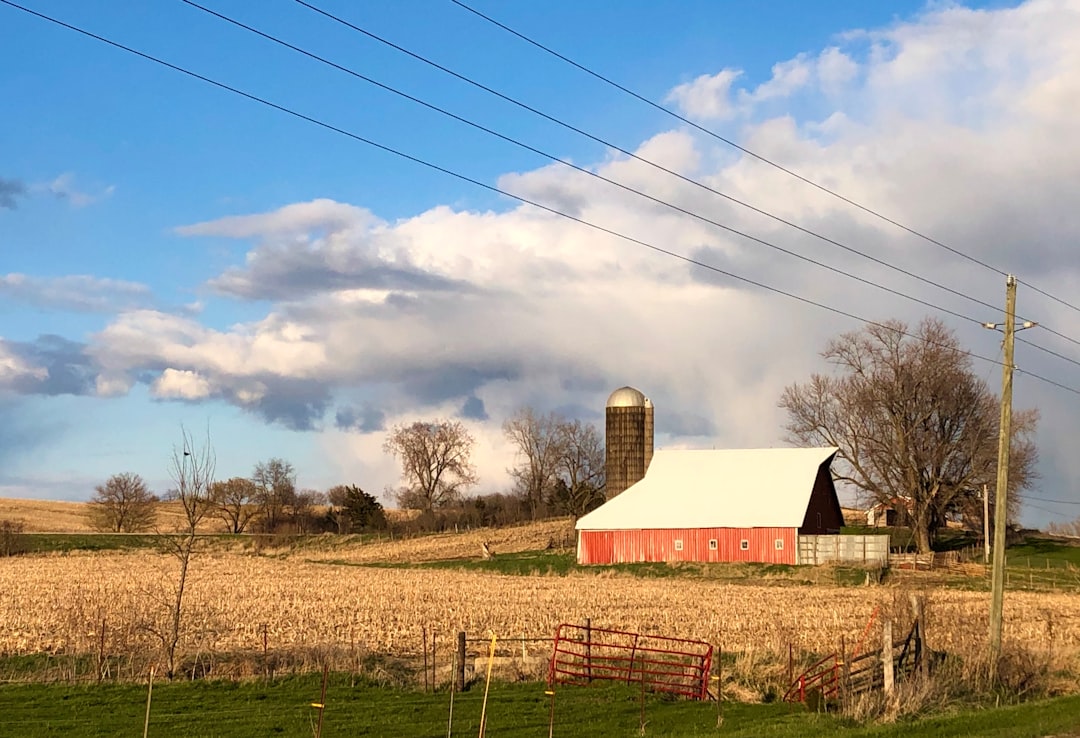
One of Reed’s defining personal narratives centers on the land he grew up around. He often speaks of his upbringing on an iowa farm been family—a century-long operation that blends corn, soybeans, and cattle with a practical, boots-on-the-ground approach to risk management. Reed’s team emphasizes that family farming is not merely nostalgia; it’s a model of stewardship designed to withstand market cycles and weather extremes. He has said, “The iowa farm been family is about continuity—passing down knowledge, not just equity.”
That phrase—iowa farm been family—recurs in campaign materials and private conversations with rural constituents who prize reliability and generational experience. In campaign events across counties like Sioux, O’Brien, and Rollin, Reed highlighted how a century of shared labor and compromise shapes decisions about crop rotations, capital investment, and child care for the farm workforce. The message resonated with voters who fear that rapid policy shifts could jeopardize long-standing family operations, even as they press for fair prices and improved access to credit for agricultural improvements.
For supporters, Reed’s background is a living case study in how a nonpolitical family enterprise adapts to modern finance and policy. In many rural towns, residents found reassurance in his track record of building partnerships with lenders, veterans programs, and small‑business services that help diversify income streams beyond single-crop dependence. The iowa farm been family narrative is less a slogan and more a blueprint for managing risk in a volatile agriculture economy.
“We don’t just grow crops; we grow resilience,” Reed said during a stop at a diversified farm that includes a small processing station. “If we can protect topsoil, cut waste, and ensure fair access to markets, personal finances improve alongside community health.”
Financial Implications: What This Means for Farmers and Rural Households
The stakes in this race aren’t political theater alone—they’re deeply financial for households across the state. Farmers in Iowa have wrestled with high input costs, volatile commodity prices, and shifting credit conditions as lenders reassess risk in a tightened lending environment.
- Input costs: Fertilizer, seeds, and crop protection products have shown persistent price volatility, with fertilizer costs up roughly 15-25% year over year in many parts of the Midwest as global supply chains recalibrate.
- Debt levels: Agricultural debt remains elevated, with many producers carrying variable-rate loans that respond to shifts in corn and soybean prices and interest rates set by the Federal Reserve and regional banks.
- Farmland values: Land prices in small-town and rural counties have climbed in recent years, though a shift toward more diversified cropping and soil-health programs could influence demand for marginal land and leasing arrangements.
- Credit access: The political conversation around farm policy—especially around subsidies, input credits, and risk management programs—will shape lenders’ willingness to fund expansion, renovations, or new equipment purchases.
- Market reaction: In the immediate hours after Reed’s victory, corn and soybean futures in Chicago opened modestly higher as traders priced in a potential policy shift that could affect fertilizer use and crop protection regulations.
Experts note that the personal-finance angle of this race will matter for households across the state. A governor who prioritizes sustainable farming could promote programs that help farmers invest in soil health, water conservation, and energy-efficient equipment—investments that typically pay back in margins over time, even if the upfront costs are higher.
For rural families contemplating year-ahead budgets, Reed’s victory could mean a recalibration of how much of the family budget goes toward inputs versus investment in soil-improvement practices. It could also affect state-level incentives for cooperative marketing, processing facilities, and locally sourced foods—areas that can improve farm income stability and reduce reliance on volatile markets.
What Comes Next: The General Election and Policy Trajectory
With the primary behind him, Reed now faces a broader electorate in the November general election. Polling in several rural counties shows Reed narrowing the gap with more conservative voters who previously backed Feenstra, though independent and urban voters will be pivotal in a statewide race. Analysts caution that local issues—such as water quality initiatives, rural broadband, and school funding—will shape the campaign beyond agriculture alone.
Donors and political action committees have already begun recalibrating their strategies. Early fundraising reports indicate Reed’s campaign raised more than $8 million in the run-up to the primary, with roughly 60% of contributions coming from agribusiness groups, small farm co-ops, and local environmental organizations affiliated with regenerative farming goals. National donors watching Iowa’s farm economy could weigh in as the race moves into its final stretch, particularly if policy debates around pesticide regulation and soil conservation intensify.
Market watchers will keep a close eye on how the Reed administration positions state agencies that oversee agricultural policy, environmental protections, and rural development. If the governor’s office aligns with Reed’s regenerative emphasis, agricultural policy could shift toward more soil-health funding, expanded support for cover crops, and pilot programs designed to reduce chemical reliance. Critics warn any abrupt policy shift could disrupt crop input markets in the near term, creating short-term volatility for farmers planning next year’s budgets.
Bottom Line: A Local Triumph With Broad Financial Implications
The victory of a farmer who has spent a lifetime building a family operation up from the ground up signals more than a political upset. It underscores a broader trend in the rural economy: voters are weighing not just party labels but the practical financial implications of agricultural policy. For the many households that rely on a stable farm income, Reed’s triumph could bring a more accessible path to sustainable farming and a more balanced relationship with big ag interests—an outcome that could realign costs, revenues, and credit flows in meaningful, personal ways.
As Iowa heads toward November, families tied to the land are watching closely. The question now is whether Reed’s principles translate into policy fine-tuning that improves long-term farm profits, strengthens balance sheets, and preserves both the land and the livelihoods that depend on it. For an iowa farm been family legacy, the next chapter may be the one that finally harmonizes generations of hard work with sound financial futures.
Discussion