
Market Snapshot on May 12, 2026
Oil prices were edging higher at the start of trading, with the Brent benchmark near 110 a barrel. At 9 am eastern time, Brent traded around 110.43 per barrel, up 2.76 dollars from the prior morning. That level marks a sharp rise from a year ago and reflects a mix of supply concerns and ongoing demand shifts as the world heads into the summer driving season.
- Brent price: 110.43 per barrel at 9 am ET
- Daily change from yesterday: +2.76
- One month change: +14.50
- One year change: +68.75
For households and investors, the current price 2026 is a reminder that energy costs remain a key swing factor for budgets and portfolios. The market is reacting to a blend of shifting supply signals and evolving demand expectations as OPEC and other producers calibrate output.
What Is Driving the Move in the Current Price 2026
The oil market in 2026 is shaped by a handful of persistent forces. First, supply discipline from major producers supports prices when inventories tighten. Second, geopolitical tensions and sanctions risk periodically flare, creating rally moments that push the price higher. Third, demand from consumers and manufacturers fluctuates with inflation, interest rates, and currency movements that influence energy buying power.
Analysts caution that the path for the current price 2026 is not a straight line. A combination of recession risk, regional conflicts, and policy shifts can redirect flows quickly. As one market watcher puts it, the market remains sensitive to headlines and data that reveal the pace of global growth and the trajectory of supply from major exporters.
Oil and Gas Prices: How They Interact
Gasoline costs at the pump move with crude, but the relationship is not perfectly one to one. A surge in oil often translates into higher pump prices, though refining margins and taxes also play a role. When crude climbs, price at the pump tends to rise, but the transmission can be uneven depending on refinery bottlenecks and seasonal demand.
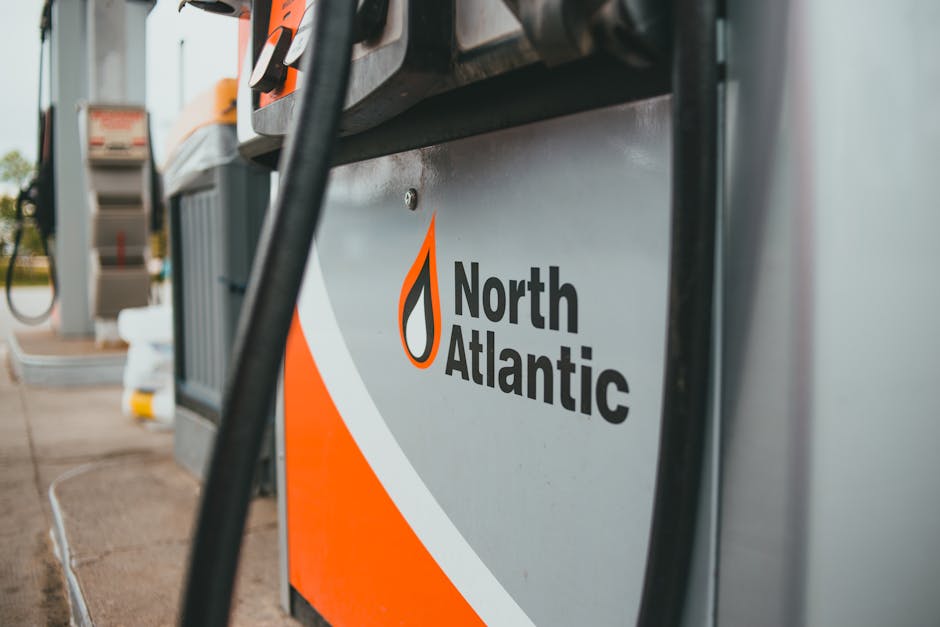
Historically, a jump in crude has tended to push pump prices higher in the weeks ahead. Conversely, oil dips do not always trigger immediate declines at the pump, a pattern many motorists know as the rockets and feathers effect in energy markets.
The Strategic Petroleum Reserve and Market Shielding
The United States keeps a Strategic Petroleum Reserve as a safeguard for energy security. In times of crisis or sharp price spikes, releases can provide quick relief to consumers and essential services. While SPR actions are not a substitute for long term supply fixes, they can help stabilize markets during short term shocks while lawmakers and producers adjust.
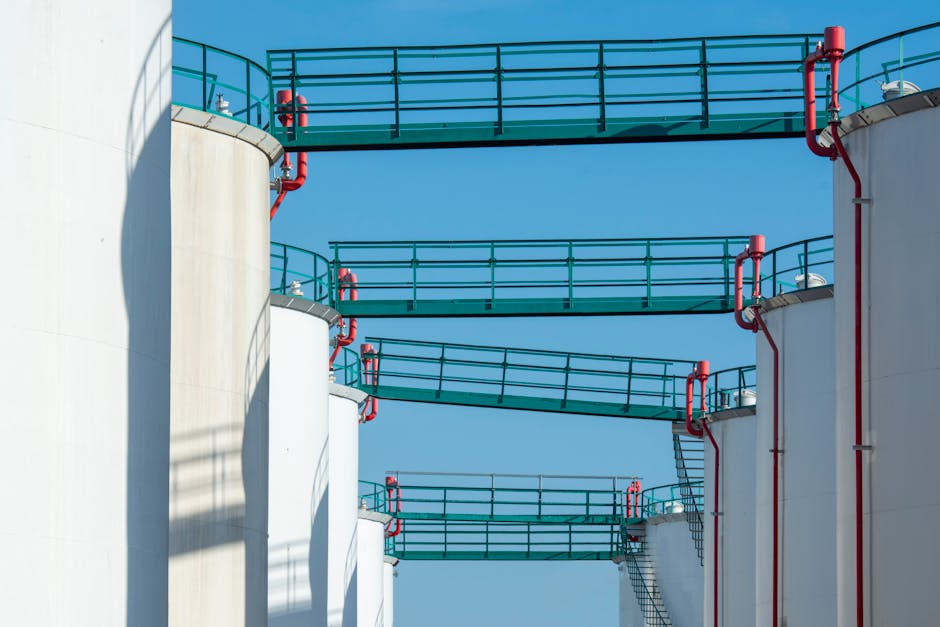
Market participants watch SPR status closely as part of the broader risk management toolkit. The reserve remains a tool for rapid response, not a permanent fix for structural energy costs that households face over the long run.
Global Energy Trends to Watch in 2026
Beyond oil, broader energy markets add context to the current price 2026. Natural gas prices, coal, and renewables all interact with oil signals as economies transition toward cleaner energy mixes. Slowdowns in any major economy, shifts in shipping routes, or changes in currency strength can alter demand for crude as a source of energy and as a feedstock for products.
Impact on Households and Investors
Households feel the ripple effects through gasoline, heating, and transportation costs. The current price 2026 matters for monthly budgets, especially for families with long commutes or heavy vehicle use. Investors watch the oil market for inflation hedging and energy sector exposure, balancing crude exposure with other assets in diversified portfolios.
For those tracking the numbers, consider the following cues as the market moves toward summer driving season and possible inventory updates:
- Scheduled inventory data from agencies and producer reports can swing prices in short windows
- Upcoming policy developments and sanctions news from major economies can alter risk perceptions
- Global growth signals, currency trends, and debt markets influence energy demand outlook
What to Expect Next
Traders will likely focus on two big inputs in the near term. First, any official data on crude inventories and refinery utilization can prompt quick moves in the price. Second, statements from major producers about supply commitments will shape the risk appetite of investors who have positions tied to the current price 2026.
Analysts emphasize that energy markets can swing on surprise headlines, so diversification and cautious position sizing remain prudent. While the current price 2026 has held near the 110 mark, the range of possible outcomes stays broad as the global economy navigates inflation, rates, and demand shifts.
In short, the oil market remains a barometer of global activity. For households and traders alike, the date May 12 2026 marks a moment when the price works as a reminder of ongoing energy costs and the forces shaping them in real time.
Discussion