
Market Snapshot
Oil prices were steady near the $78 per barrel mark in early trading on July 13, 2026, with Brent crude at about $78.31 a barrel as of 6:00 a.m. ET. The move comes after a modest dip from yesterday’s session and sits roughly $7 higher than a year ago, underscoring the volatility that defines energy markets this summer.
The current price july 2026 has traders weighing a mix of supply risks, economic signals, and seasonal demand patterns. "Prices are shifting as supply concerns compete with demand momentum," analysts said in a market note, highlighting the tug-of-war that keeps the oil complex on edge.
- Current price (Brent): $78.31 per barrel
- Day change: -$1.08 from yesterday’s level
- Price 1 month ago: $88.60 per barrel (−11.61%)
- Price 1 year ago: $71.07 per barrel (+10.18%)
Despite the pullback from yesterday, the year-to-year rise reflects a broad pattern: tighter supply in some regions, and a gradual recovery in global demand as economies adjust to higher borrowing costs and policy shifts. Market participants are watching for clues on OPEC+ production plans and how quickly US shale output can respond to price signals.
What Behind the Move
Oil prices are driven by a complex mix of factors, but most movements boil down to the balance of supply and demand. In the near term, traders are parsing decisions from OPEC+ and how much spare capacity the group can bring to market if demand softens. At the same time, U.S. consumers’ mobility and industrial activity influence how quickly prices translate into actual consumption.
Geopolitical tensions, currency moves, and inflation trajectories also play a role. A stronger dollar can weigh on commodity prices, while any flareups in key producing regions can spark quick moves higher. For now, the market is managing a delicate equilibrium as new data points roll in from global markets.
Gas Pumps and Household Budgets
Crude is only part of the cost you see at the pump. Refining costs, distribution, local taxes, and retailer margins all fold into the price you pay for gasoline. When crude rises, pump prices often climb, sometimes with a lag, and the reverse is true when crude retreats.
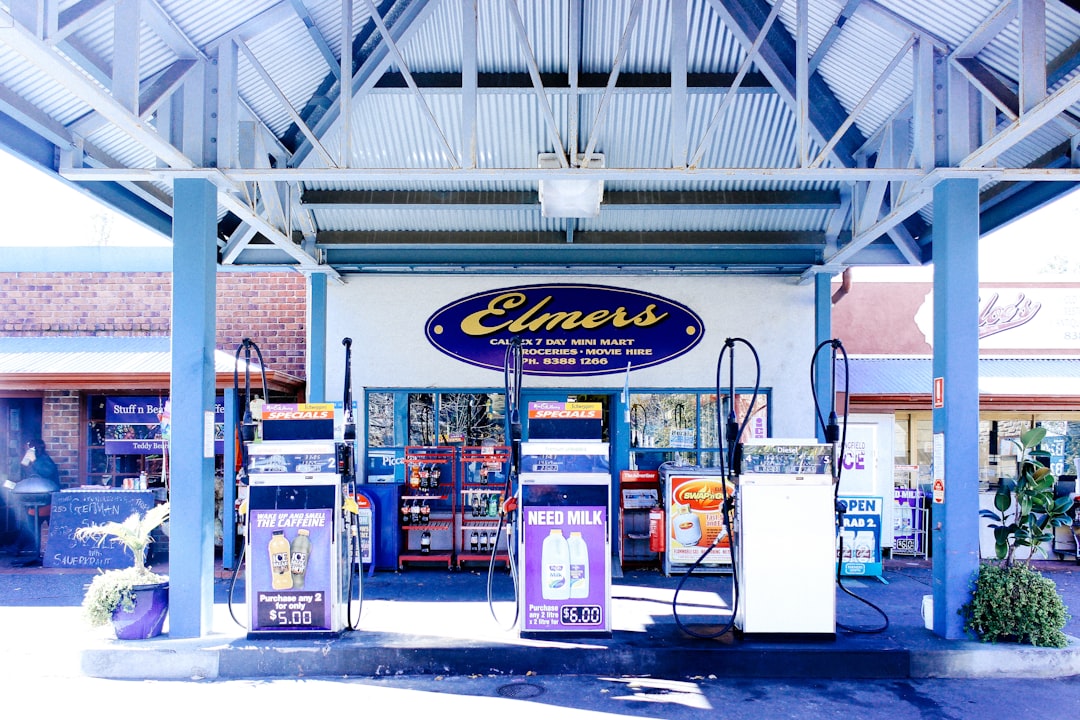
Summer driving typically supports higher consumption, which can cushion the impact of price drops on consumers. Still, families watching their budgets should expect periodic volatility as markets react to headlines and data releases.
The U.S. Reserve and Policy Signals
The United States maintains strategic stockpiles of crude oil as a buffer against short-term supply shocks. While not a long-term price fix, the Strategic Petroleum Reserve can provide temporary relief during major disruptions, buying critical time for markets and relief for households and essential services.

Officials emphasize that SPR releases are toolkits for energy security rather than a permanent price-management solution. The strategic lens matters for investors who weigh how policy response could interact with supply fundamentals in the weeks ahead.
Global Forces to Watch
Beyond the United States, global factors loom large. OPEC+ supply decisions, Middle East developments, and the pace of growth in major economies like China all feed into the price path. Analysts say markets will remain sensitive to headlines, with volatility likely to persist through the summer and into early autumn.
Currency trends and risk appetite also matter. A strengthening dollar tends to pressure commodity prices, while improving growth outlooks can sustain demand. Investors should stay alert for shifts in inventory data, refinery run rates, and geopolitical headlines that could spark rapid moves.
For investors, oil prices influence energy equities, futures, and hedging strategies. Trading desks look for signs of durable demand or looming supply constraints to justify longer positions, while many households measure budget impact against gas price trends and disposable income.
Those tracking the current price july 2026 should consider diversified exposure to energy assets and remain mindful of the lag between crude moves and pump prices. A practical approach is to monitor weekly inventory data, refinery margins, and macro data on inflation and growth that shape energy demand.
- Upcoming OPEC+ meetings and any adjustments to production quotas
- U.S. crude and gasoline inventories from weekly government data
- Key economic indicators: manufacturing PMIs, consumer spending, and unemployment trends
Market participants will also be scanning for updates on energy policy and any new supply agreements that could alter the competitive landscape. The oil complex tends to respond quickly to headlines, making timely information essential for both traders and everyday consumers.
Bottom Line
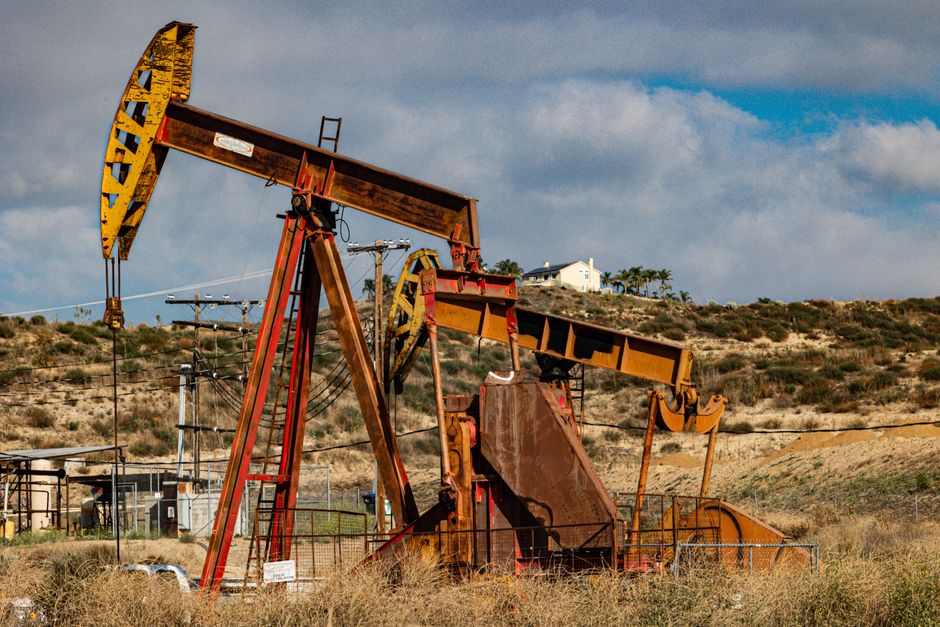
As July 2026 continues, the oil market faces a blend of supportive demand signals and cautious supply considerations. The price level near $78 a barrel remains a focal point for households and investors alike, signaling that the energy landscape will likely stay choppy in the near term. The market narrative is evolving, and the next data points could tilt sentiment one way or another.
For readers tracking the current price july 2026, the path ahead hinges on data, geopolitics, and policy moves—factors that could drive another leg higher or keep prices tethered to recent ranges.

Discussion