Market Snapshot
Oil prices edged higher in early trading on June 3, 2026, with Brent crude hovering around $101 per barrel. This marks a fresh climb from the previous session as traders weigh supply discipline from producers against growing summer demand in consumer economies.
As of 8:45 a.m. Eastern Time, the benchmark stood near $101.40 per barrel, a gain of roughly $4.70 from yesterday’s level. Investors are eyeing a mix of global supply signals and the pace of economic activity, which can swing crude in the short term.
- Current price june 2026 (Brent): about $101.40/bbl
- Daily change: +$4.70 (+4.9%)
- Price one month ago: around $114.15/bbl (roughly 11% lower now)
- Price one year ago: about $66.14/bbl (up roughly 53%)
What Is Driving the Move Today
Crude markets are a tug-of-war between supply discipline and demand resilience. OPEC+ has kept production targets steady for several months, while members in major consuming regions push back against higher costs that could slow growth. On the demand side, an ongoing summer travel season in the United States and Europe supports energy use, even as some manufacturers brace for slower-than-expected activity in parts of Asia.
Analysts say the latest price action reflects a broader uncertainty about how fast the global economy can absorb higher energy costs without slowing consumption. “The path for oil is not a straight line,” said Priya Desai, a senior energy analyst at Northstar Markets. “We’re seeing a cautious rally as market participants position for a volatile summer.”
Geopolitical developments continue to loom large. Fresh discussions around sanctions, supply routes, or refinery outages can create swift moves in Brent and related contracts. Yet the market also punishes over-optimism; when inventories build or demand signals soften, prices tend to retreat, even if headlines stay supportive in the near term.
How Oil Prices Translate to Gas Costs
For households, the price of crude is only part of the equation that determines what shows up at the pump. Refining costs, distribution, taxes, and retailer margins all ride along with crude’s moves.
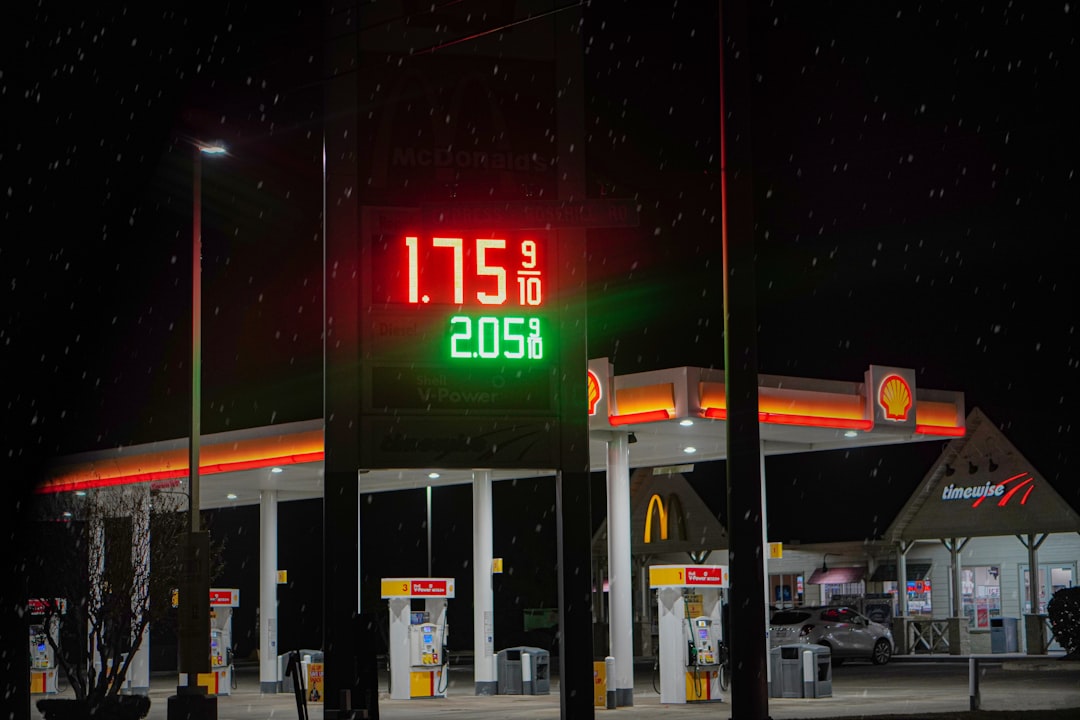
Oil remains the largest single driver of gasoline at the pump, typically accounting for more than half of the cost of a gallon. When crude spikes, gas prices tend to rise quickly; when crude ebbs, prices often fall more gradually—a dynamic some call “rockets and feathers.”
Strategic Moves: The U.S. Oil Reserve
The United States maintains a Strategic Petroleum Reserve to help cushion sharp price shocks and maintain energy security in emergencies. While not a cure for long-term price trends, SPR releases can help ease sudden price spikes if supply lines are disrupted by weather, conflict, or sanctions.
Policy makers say SPR actions are intended as a temporary counterbalance, designed to support critical sectors such as transportation, emergency services, and essential manufacturing during supply shocks. The reserve is not a structural fix, but a tool aimed at stabilizing markets during tight windows.
Oil and Natural Gas: A Long-Run Link
While crude drives the headline price, natural gas remains a major energy input for power generation and industrial activity. Movements in one fuel can spill into the other, though the two markets respond to different inventories, seasons, and policy signals. In a typical energy mix, a shift in crude pricing often ripples through to close substitutes and power markets as utilities hedge against volatility.

What This Means for Your Wallet
今年’s price action has real implications for household energy bills and financial planning. A sustained high current price june 2026 can push gasoline costs higher, especially during peak driving months. Families budgeting for commute costs, summer road trips, or small business fuel needs may see a tighter squeeze on discretionary income if crude stays near or above the current level.

Financial advisers cautioned that while religion of supply and demand can move oil, a diversified energy strategy helps manage risk. Some clients might consider hedging options or reallocating portions of their portfolios to limit exposure to sudden shifts in energy prices.
What to Watch Next
- Upcoming EIA and OPEC+ reports for fresh inventory and production data.
- Updates on global demand as major economies post new growth figures.
- Any policy comments from energy departments or central banks that could influence energy spending and investment.
Market participants will be listening closely to data that could confirm or challenge today’s price narrative. For the “current price june 2026” benchmark, every new data point—whether a crate of cargos or a regional refinery outage—can tilt the balance between gains and retracements in the weeks ahead.
Bottom Line
Oil remains at a pivotal level as the market absorbs signals from producers, consumers, and policymakers. The current price june 2026 continues to reflect a delicate balance between supply discipline and the demand trajectory as summer drives more mobility. Investors and households alike should watch for a string of data releases in the coming weeks that could push Brent higher or pull it back toward the mid-$90s range.

Discussion