
Market Snapshot: Brent Price Holds Near $80 on June 17, 2026
At 9 a.m. Eastern Time today, Brent crude stood at $80.78 per barrel, according to ICE data. The level marks a modest retreat from yesterday’s print of about $81.55, and it sits well below the peak seen a month earlier. The month‑over‑month comparison shows Brent trading near $112.89 a barrel a month ago, a drop of roughly 28% that reflects shifting demand expectations and growing competition among producers.
The numbers set a clear frame for households and investors: the spread between last year and today remains narrow, with the year‑over‑year change around a few percentage points higher than this time last year. Traders are parsing a mix of economic signals, geopolitical headlines, and supply signals from major producers as they price the next move in crude markets.
Data Snapshot
- Price today: $80.78 per barrel (Brent)
- Change vs. yesterday: -$0.77 (-0.95%)
- Price 1 month ago: $112.89 (-28.4%)
- Price 1 year ago: $77.43 (+4.32%)
What Moves Oil Today: Key Drivers
Oil prices are shaped by a blend of supply limits, demand signals, and strategic policy moves. In June 2026, traders are weighing OPEC+ production signals, U.S. shale activity, and the pace of global economic growth. A weaker‑than‑expected manufacturing reading in some regions has tempered demand expectations, while supply discipline from major exporters is keeping a lid on any sharp rally.
Analysts note that price action can swing on the back of inventory data, currency moves, and sudden geopolitical headlines. As one energy strategist puts it: “Oil markets are in a waiting game, where every barrel counts, and the path forward hinges on how quickly demand can rebound and how well supply can adapt.”
In practice, this means the current price june 2026 snapshot may not reflect a stable floor or ceiling. Traders expect volatility to remain as market players balance sentiment about global growth with real‑world signals from producers and consumers alike.
Oil and Gas Prices: How the Pump Gets Affected
The price you see at the pump is not just crude. It incorporates refining costs, distribution, taxes, and the margins charged by retailers. Crude remains the single largest factor in what you pay per gallon, but the chain is long and occasionally unpredictable.
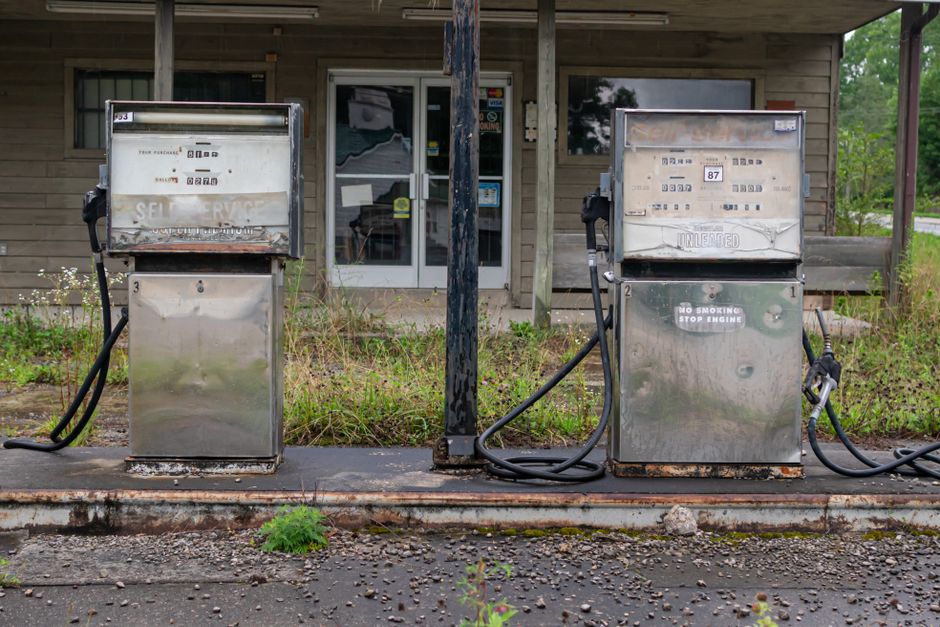
When crude climbs, wholesale and retail gasoline often follow in short order, a dynamic sometimes described as rockets and feathers. Conversely, when crude retreats, pump prices typically ease more gradually as refiners adjust schedules and inventories over weeks or months.
Strategic Reserves and Price Stability
U.S. energy policy includes a stockpile known as the Strategic Petroleum Reserve (SPR). In emergencies—ranging from supply shocks to geopolitical conflicts—the SPR can be tapped to dampen price spikes and keep critical parts of the economy flowing. While not a long‑term fix for structural price volatility, the SPR provides a backstop that can blunt sudden moves and support essential services, transportation, and manufacturing during periods of stress.
In 2026, policymakers continued to emphasize energy security and market stability, with the reserve acting as a tool for rapid response when shocks appear likely or materialized. Analysts say the SPR’s presence matters for the consumer, but it does not replace the need for solid policy, competitive energy markets, and diversified energy sources.
Economic Signals: What to Watch Next
Prices are sensitive to several dynamic factors. A cooling in global growth, shifts in consumer demand, and diplomacy among oil producers will all ripple through crude markets in the coming weeks. Investors also watch currency markets, as a stronger dollar can put downward pressure on dollar‑denominated oil prices, while a weaker greenback can have the opposite effect.
One veteran observer notes: “The current price june 2026 is less about a single catalyst and more about a balance of competing forces—demand resilience in Asia, supply discipline from OPEC+, and the timing of rate moves by major central banks.”
What This Means for Your Wallet
For households, the trajectory of oil prices translates into real‑world costs. Gasoline at the pump tends to reflect crude movements with a lag, but it also depends on regional margins and taxes. As investors weigh the odds of a rebound or further softness, drivers could see price relief if crude continues to drift lower, or a renewed uptick if supply tightens or demand strengthens.
From a personal finance perspective, the current price june 2026 matters because it informs monthly energy budgeting and planning. Consumers should consider hedging or adjusting discretionary expenditures if price volatility persists, especially as summer driving season intensifies and households look ahead to fall energy bills.
Market Context: A Timely View for June 2026
The oil market in mid‑June 2026 sits at a crossroads. The price near $80 a barrel reflects a period of relative stability after a volatile stretch last year. Yet the path ahead remains uncertain as the global economy navigates inflation, rate expectations, and geopolitical developments. Investors who track energy prices for personal finance reasons should keep a close eye on inventory data, OPEC+ meetings, and any statements from major producers about supply plans.
As one mid‑size fund manager put it: “We’re in a phase where small shifts in demand or supply can move prices more than usual. The key is to monitor how quickly demand responds to higher rates and whether production cuts or increases hold under stress.”
Bottom Line
The current price june 2026 for Brent crude remains near $80.78 per barrel, with a daily drop of about $0.77 from yesterday. This level sits well above last year but well below the peak seen a month ago, shaping how households plan energy budgets and how investors position for the next leg in crude markets. While the SPR provides a safety valve for extreme shocks, the broader trajectory will depend on demand recovery, producer discipline, and policy developments in the weeks ahead.
Key Takeaways for Readers
- Brent price today: $80.78 per barrel as of 9 a.m. ET.
- Oil has fallen roughly 28% from its level one month ago, highlighting demand‑growth uncertainties.
- The current price june 2026 is a barometer for household energy budgeting and investment positioning.
- Gas prices tend to move in tandem with crude, but margins and taxes create regional differences.
- The SPR remains a strategic tool but is not a guaranteed antidote for sustained price shifts.
Discussion