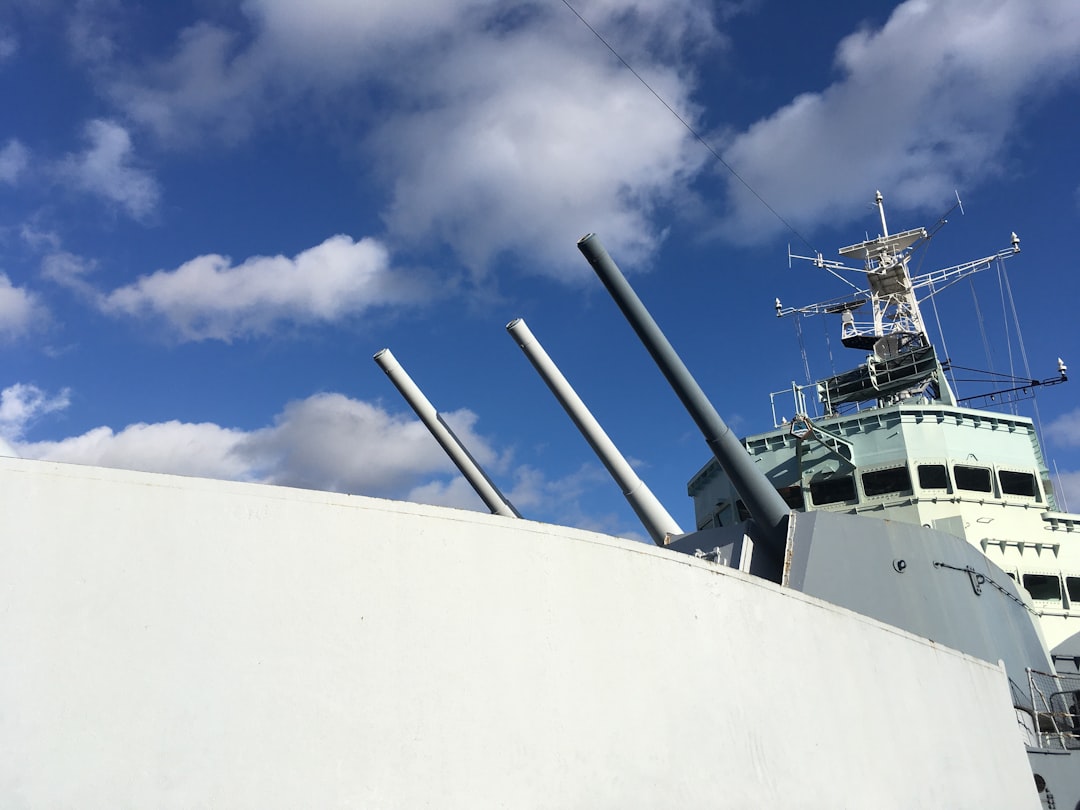
Market Snapshot: Hormuz Drift Opens a Narrow Path
The Strait of Hormuz remains a focal point for global energy markets, but a modest thaw is unfolding. In late May 2026, a growing number of merchant ships have resumed passage through the contested waterway with navigational guidance from U.S. military authorities. The shift comes after months of blockage that kept roughly one-fifth of the world’s pre-war oil supply effectively sidelined and left thousands of ships waiting in or near the Persian Gulf.
Industry observers say the improvement is not a full reopening, but it creates a crucial alternate corridor for traffic and reduces the risk premium that had built up around the strait. Some shipowners have even adopted a stark, if unofficial, motto in the cabin chatter: "damn torpedoes more ships"—a line that captures relief tempered by the ever-present threat of disruption.
What Has Changed in the Waterway?
The conflict between the U.S. and Iran over the strait’s control has historically left shipping vulnerable to a mix of missiles, drones, mines, and fast-attack craft. While broader military operations have degraded Iran’s conventional force, the Islamic Revolutionary Guard Corps still wields leverage over the waterway itself. That leverage has chilling consequences for insurers, freight rates, and the schedules of oil majors and refiners.
What’s new is a practical path toward safer navigation. The U.S. Navy launched mine-clearing operations and have routed several vessels through an alternate channel near Oman’s coast. A broader effort, known in the fleet as Project Freedom, aimed to widen the corridor for commercial traffic but operated only for a few days before being paused. Still, shipowners report more crossings in the past week, aided by guidance from the U.S. military rather than direct naval escorts.
Analysts note that Tehran’s forces have historically used control of the main channel to extract leverage, so even incremental improvements in routing can meaningfully cut insurance costs for individual voyages and reduce the risk of supply-chain delays that ripple through households and businesses alike. A shipping executive said privately that the calmer waterway also helps smaller exporters reach customers sooner, even if the long-term risk remains embedded in the geopolitics of the region.
How It Affects the Global Oil Market and Your Wallet
The practical effect of more ships slipping through Hormuz is a potential easing of volatility in oil prices and related energy costs. When the strait is effectively shut, traders tend to bid up crude on the fear of supply shortfalls. When routes show signs of functioning more normally, the market often cools, and futures curves can flatten somewhat. That dynamic matters for households across the United States, where gasoline, heating, and electricity bills respond to crude price trends and the cost of shipping refined products.
For investors, the shift creates a nuanced picture. Energy equities may benefit if the shorter-term risk premium relaxes and physical flows normalize. At the same time, the longer-run threat of disruption—whether via renewed naval pressure, escalation in regional cyber operations, or a miscalculated misstep—keeps risk premia intact in some segments of the market. In practice, funds that track oil, shipping, and inflation-sensitive sectors have shown mixed reactions as markets weigh supply resilience against the possibility of renewed tension.
From a personal-finance perspective, the evolving transit routes through Hormuz can influence your budget in several ways. Cleaner routes can help stabilize crude prices, reducing volatility in gasoline and heating costs for households. Insurance pricing on charters and cargoes also reacts to risk signals from the region; a calm environment can bring some relief to premium levels, though policy fees for risk management remain sensitive to geopolitical headlines.
Data Points and Industry Voices
- Global oil supply impact: Historically, roughly one-fifth of the world’s pre-war oil flows were constrained by Hormuz tensions during the stalemate period. The partial reopening aims to ease that bottleneck without removing the underlying geopolitical risk.
- Vessel traffic: In the past week, navigation through the strait has become noticeably steadier, with more ships choosing to cross under advisory guidance rather than waiting for formal escort arrangements.
- Military activity: The U.S. Central Command says it is not escorting ships through Hormuz but is providing navigational advice and situational awareness to commercial vessels operating in the area.
- Past initiatives: The brief run of Project Freedom demonstrated a willingness to marshal naval assets toward a broader corridor, but the effort was short-lived and did not produce a lasting traffic shift.
- IRGC posture: While the Islamic Revolutionary Guard Corps retains weapons capabilities capable of disrupting traffic, the recent pattern suggests a willingness to test the corridor rather than try a full-scale closure at the moment.
One market watcher, speaking on condition of anonymity, framed the moment like this: "The current trend is a cautious thaw, not a thawing of the conflict. The question now is how far commercial traffic can go without triggering a fresh escalation. The best-case scenario for markets is a predictable, navigable route with limited political flare-ups. The worst-case remains distant but plausible: a renewed incident that forces ships back to riskier paths and costs insurers again.”
What to Watch Next
Here are the key questions investors and households should monitor as Hormuz developments unfold:
- Will the new navigational guidance translate into sustained higher throughput, or will disruptions re-emerge during peak shipping windows or in response to political flare-ups?
- How will insurers recalibrate premiums if the corridor becomes a more routine option rather than a tentative route?
- What is the trajectory for oil prices if supply lines regain steadiness, and how will that affect household energy bills and grandparent-funding budget decisions?
- How should personal-finance portfolios adjust to a world of intermittent tensions that still threaten supply chains?
Bottom Line for Households and Markets
The recent modest easing of Hormuz-related pressure provides a more predictable environment for energy markets in the near term, a relief for consumers and corporate buyers alike. The phrase "damn torpedoes more ships" has drifted from the portside chatter into a symbolic call for resilience: the public’s most immediate concern remains stability in the global energy supply and in the costs tied to that supply. While the traffic through Hormuz is not back to pre-crisis norms, the trend offers a glimpse of how markets and families could weather ongoing tensions with a lighter price swing and more predictable purchasing power.
As always, investors should balance the potential for price relief against the specter of renewed disruption. For now, the path through Hormuz, however narrow, is inching toward normalization—enough to calm nerves, but not enough to erase the underlying geopolitical risk that could flare up without warning.


Discussion