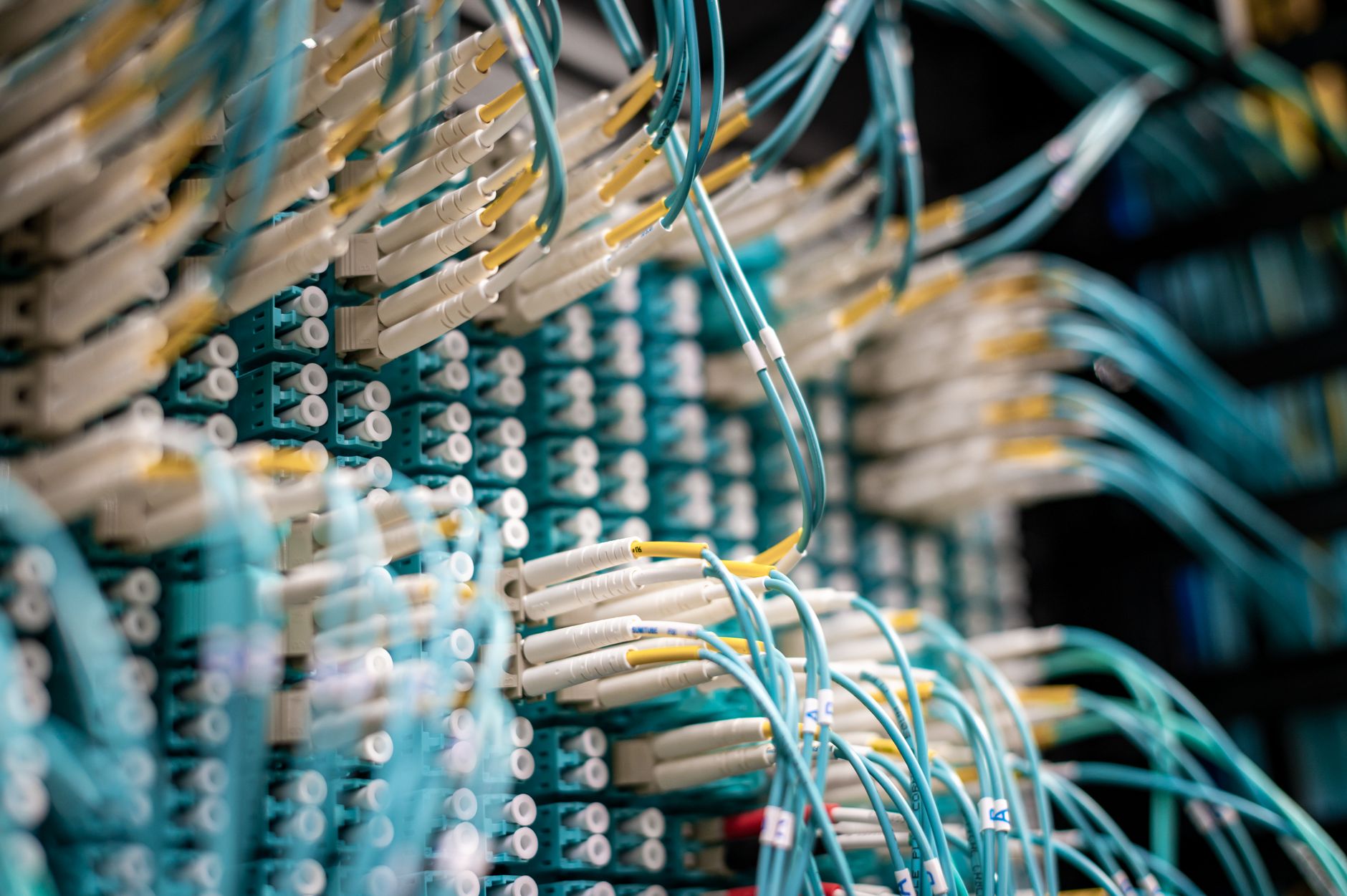
Data centers have already reshaped the price tag on electricity
New findings from a regional grid monitor show that the surge in demand from data centers is not just a corporate story—it is quietly reshaping household and business bills. Officials say the cumulative impact could reach about $23 billion in higher customer charges through 2028, with effects rippling across 14 states in the PJM region.
That headline figure underscores a broader shift in how electricity infrastructure is financed. Regulators face a tangled task: determine the true cost of serving larger, energy-hungry customers, who often negotiate long-term projects for transmission lines, substations and other upgrades needed to keep the lights on as digital demand grows.
What’s driving the higher charges?
The push comes as cloud providers, data centers and other large users commit to processing more data closer to users. Local grids must be modernized to handle the peak loads that new facilities can create, and those upgrades are expensive to plan, finance and maintain.
- Higher capital costs for transmission lines, substations and grid upgrades are being recovered through customer pricing structures approved by state regulators.
- Faster deployment of new facilities accelerates demand spikes, even if overall consumption remains variable across the year.
- Long-term power purchase agreements and infrastructure investments are funded, in part, by bills that show up on consumer and business electricity statements.
In regulatory filings, it’s often noted that data centers have already shifted a portion of their energy costs onto ratepayers. That shift is designed to spread the cost of expanding the grid to meet higher demand, but it also means ordinary households may see bill increases even if their own usage falls.
How electricity prices are set—and who pays
Electrically speaking, the process starts with regulators identifying what it costs to provide service. Utilities tally asset values—power plants, transmission lines, substations—and ongoing expenses such as fuel, maintenance and staffing. Those costs are then divided among customers by category: residential, commercial and industrial.

The tricky part is distributing those costs fairly. Regulators must decide which customer group bears which portion of the investment, and how to price it so the utility can recover its costs while remaining affordable for customers.
- Residential bills typically carry a mix of a base charge, a per-kilowatt hour rate and riders for specific projects.
- Commercial and industrial customers may see different rate structures, including demand charges tied to peak usage.
- Price signals are meant to reflect the cost of future reliability and grid resiliency, not just current consumption.
Critics warn that the complexity can obscure where the money is going, and when. As a result, ratepayer bills can drift higher even if a household’s own electricity use remains flat.
State-by-state impact and the PJM angle
The numbers come from the PJM Interconnection, the regional grid operator serving portions of the Midwest and Mid-Atlantic. The watchdog group analyzed projected demand from data centers and found it to be a primary driver of the observed price increases that are locked in through 2028.
- PJM spans parts of 14 states, meaning the bill impact is not confined to a single market but rather an interconnected pricing episode.
- The $23 billion figure reflects cumulative customer charges, not a one-year spike, and the period runs through year-end 2028.
- Upgrade projects funded by these charges include new transformers, substations and enhanced transmission corridors to reduce bottlenecks.
Analysts say the exact split of costs among households, small businesses and large customers will vary by state, with regulatory commissions weighing local energy needs against affordability goals.
What this means for households and small businesses
For everyday energy spenders, the implication is a slower path back to pre-growth prices, even if the recession or inflationary pressures ease elsewhere. The grid is being redesigned to handle an increasingly digital economy, and people who rely on shopping, streaming, or remote work may feel the effect as part of their monthly bills.
- Household bills could rise steadily as new grid investments are depreciated over time.
- Small businesses—especially those with high energy use—may see higher demand charges that reflect peak-period consumption.
- Regional variability means some communities will experience faster bill growth than others, depending on local policy choices and grid needs.
“data centers have already become a major factor in how utilities plan and price upgrades,” said a regulatory analyst who spoke on condition of anonymity. “The question now is whether policy levers can protect bill-paying households while still attracting the investments needed to keep the lights reliable.”
Policy responses and industry pushback
State regulators are weighing several options to balance reliability with affordability. Potential tools include targeted subsidies for energy efficiency, performance-based incentives for grid upgrades, and more transparent rider structures so customers can see what they’re paying for—and why.
- Some states are exploring time-of-use pricing to shift consumption away from peak periods, reducing strain on the grid and the cost of last-minute upgrades.
- Utilities are negotiating with large data-center operators to share the cost burden, potentially tying some upgrades to service agreements that lock in capacity for a decade or more.
- Federal and state policymakers are grappling with how to finance the energy transition without exposing ratepayers to abrupt spikes in bills.
What consumers can watch for next
As 2024 gives way to 2025, the ratepayer landscape will depend on regulatory decisions, energy market conditions, and the pace of data-center expansion. The key data point remains the same: the grid is evolving to handle far more digital load, and the price mechanism is adjusting to fund it.
For anyone watching their electricity bill, there are practical steps: monitor your kilowatt-hour usage, review tariff changes proposed by your utility, and consider energy-efficiency upgrades that lower monthly consumption and potentially soften the impact of new charges.
Bottom line for personal finances
The trend is clear: data centers have already reshaped how money flows through the energy system. With a potential $23 billion in added charges through 2028, households and small businesses should prepare for a new normal in electricity pricing. Advocates say the result could be a more reliable grid, while critics fear a slow bleed of higher costs that compounds other living expenses.
In the near term, budgeting for slightly higher energy bills and staying informed about how rate changes are structured will help families weather the shift. The broader takeaway is that the intersection of technology, policy and power pricing will continue to affect personal finances for years to come.
Key data points at a glance
- Projected cumulative ratepayer impact: approximately $23 billion through 2028
- Geographic scope: 14 states covered by PJM in the Mid-Atlantic and Midwest
- Major cost drivers: substations, transmission upgrades and grid modernization
- Policy question: how to allocate infrastructure costs fairly between residential, commercial and industrial customers
Bottom line: data centers have already become a material factor in how electricity prices are financed. The question now is whether regulators can strike a balance that preserves affordability while ensuring the digital economy has a sturdy, reliable power backbone.

Discussion