Lead: Domestic airfares outpace international costs this summer
The latest industry snapshot shows domestic airline tickets climbing at a notably faster clip than international routes this summer season, even as carriers burn less fuel on shorter trips. Analysts say the price gap reflects a mix of strong domestic demand, premium seating strategies, and deliberate capacity management by airlines.
Data from airfare tracker Skiplagged indicate domestic fares rose more quickly than international ones over the recent six‑month period, underscoring a paradox where cheaper fuel burn on U.S. flights hasn’t translated into cheaper tickets. Travelers are watching price dashboards closely as they plan summer getaways.
What the latest data show
- Domestic flight prices advanced about 23.2% from March 2025 to the latest reading, according to Skiplagged.
- International flight costs rose roughly 11.5% over the same window, the data show.
- This season marks the strongest domestic price point for summer since 2022, even as fuel burn remains comparatively lower on U.S. routes.
Industry observers emphasize that the pace of domestic price growth reflects demand dynamics rather than fuel costs alone. A senior analyst with Skiplagged noted that while fuel is a contributor, ticket pricing also depends on seat mix, loyalty programs, and route optimization pursued by carriers.
Why domestic prices are rising despite less fuel burn
Domestic flights generally use far less jet fuel per hour than long-haul international voyages, thanks to shorter routes and smaller aircraft. Yet, the domestic pricing surge has outpaced international costs. Analysts point to several factors:
- Premiumization: Airlines have shifted more seats into premium cabins, raising average fares even when economy seats remain available.
- Route strategy: Carriers trimmed or rerouted some underperforming routes, concentrating capacity on high-demand corridors with stronger demand signals.
- Demand mix: The U.S. travel rebound has leaned heavily toward leisure trips and peak-season bookings, boosting willingness to pay even as prices rise.
“It’s a glass-half-full scenario for carriers in the sense that demand remains robust,” says Dr. Laura Chen, aviation economist at the University of California. “But the pricing power visible in domestic markets illustrates how operators are using product differentiation and network strategy to protect margins in an uncertain environment.”
As travelers weigh options, some wonder aloud about the outlook. In conversations with travelers and analysts, the sentiment often surfaces in the form of a blunt question: you expect prices high—a shorthand for whether this price trajectory is sustainable as summer heat peaks. The consensus among experts is nuanced: demand may stay strong, but competition and capacity responsiveness could temper further price acceleration later in the season.
Fuel, capacity, and the global backdrop
Fuel costs and supply dynamics continue to influence airline economics, even if the domestic footprint consumes less fuel per flight. On a global scale, jet fuel markets have faced volatility tied to geopolitical events and supply constraints. Analysts note that shocks in fuel availability historically translate into pricing adjustments, yet the domestic market has shown resilience through strategic responses by carriers.
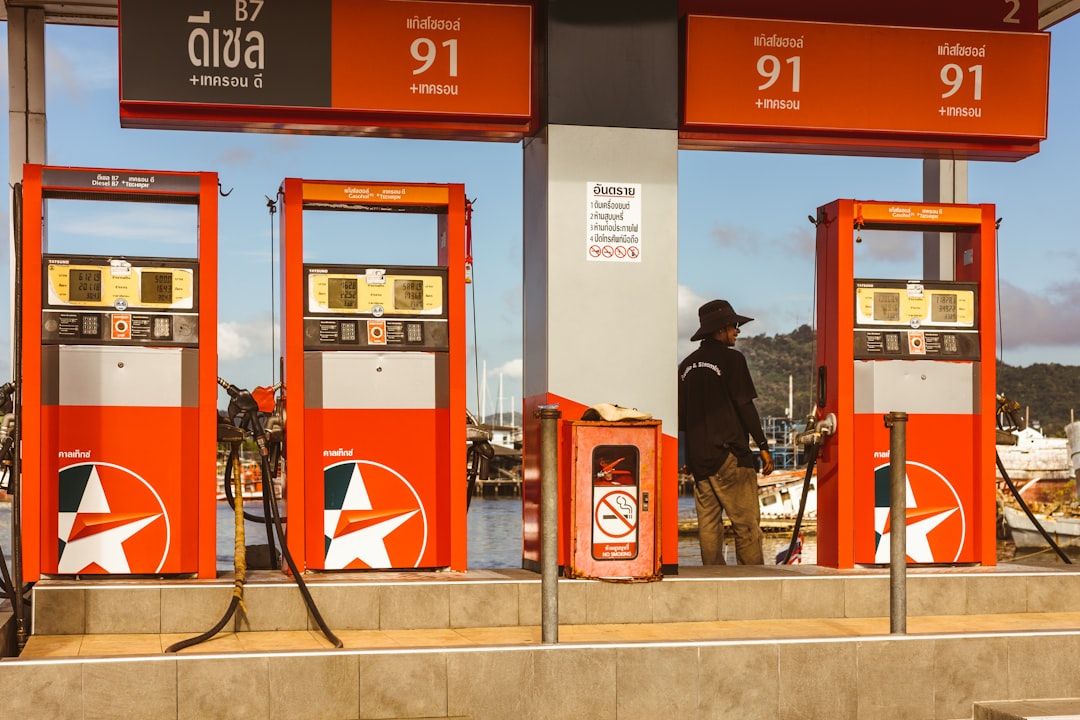
When fuel prices spike, carriers typically respond with a mix of operational efficiency and product pricing. In recent years, airlines have invested in more efficient fleet types and streamlined operations to offset fuel volatility. The result is a pricing environment where domestic tickets can rise even as fuel burn per flight declines.
Fuel usage and cost comparisons: a quick primer
- Domestic flights: roughly 1,800 to 2,700 gallons of jet fuel per trip, or about 750 to 900 gallons per hour, depending on aircraft and route length.
- International flights: typically 15,000 to 30,000 gallons per trip, with hourly burn rates ranging from 1,500 to 3,000 gallons for long-haul aircraft.
These figures matter because even with lower per-hour fuel burn domestically, the shorter, more frequent trips in the U.S. can cumulatively contribute to cost pressures that carriers translate into higher fares over the peak season.
Industry veteran Willie Walsh warned earlier this year that elevated fuel costs could shave profits for the global airline sector, given demand uncertainties. While the sector remains in a more stable footing than during pandemic-era disruptions, price discipline in domestic markets has become a central feature of airline strategy as market conditions evolve.
What this means for travelers
- Expect price discipline to persist: Domestic fares are likely to stay elevated through the peak travel window, with some volatility around holiday bumps.
- Planning matters: Early booking, flexible dates, and alternative airports can yield meaningful savings in a high-price environment.
- Product sensitivity is rising: Bundled offerings and premium seating options are shaping the average fare more than seat count alone.
Travelers should keep a close eye on pricing signals and use price-alert tools to catch dips in the market. For those pressed to travel, exploring secondary airports or midweek departures can help mitigate higher costs without sacrificing reliability.

Bottom line: a complex pricing puzzle for this summer
Domestic airfares rising faster than international costs reflect a confluence of strong domestic demand, strategic capacity management by carriers, and a premium-oriented product mix. While fuel dynamics remain a critical backdrop, the pricing narrative this summer centers on consumer willingness to pay and airline pricing power in a rebounding travel economy. For travelers, the takeaway is clear: you expect prices high in many popular corridors, and the clock is ticking as the peak travel period unfolds.
As markets evolve and new data emerge, industry watchers will be closely watching fare trends, fuel costs, and capacity decisions that could shape the rest of the season. In the meantime, travelers who plan ahead and weigh options thoughtfully are more likely to navigate this high-price landscape with fewer surprises.


Discussion