
Apollo Wins Takeover Battle for EasyJet
London — In a landmark move for European aviation, EasyJet confirmed it has reached an in-principle agreement for a takeover by Apollo Global Management, valuing the UK budget carrier at about £5.7 billion ($7.7 billion). The bid tops a rival offer from Castlelake and signals a potential pivot in how European airlines are financed and operated in a recovering travel market.
Deal at a Glance
- Valuation: £5.7 billion ($7.7 billion)
- Bidder: Apollo Global Management
- Rival bidder: Castlelake
- Status: Agreement in principle, subject to due diligence, financing, and regulatory approval
- Closing timeline: 12–18 months, with regulatory reviews a key hurdle
Why Apollo Is Eyeing EasyJet
Apollo’s approach centers on accelerating fleet modernization, route optimization, and cost discipline. The private equity firm has framed the takeover as a way to unlock long-term value in a carrier that weathered pandemic disruptions and now faces renewed competition and fuel-price volatility.
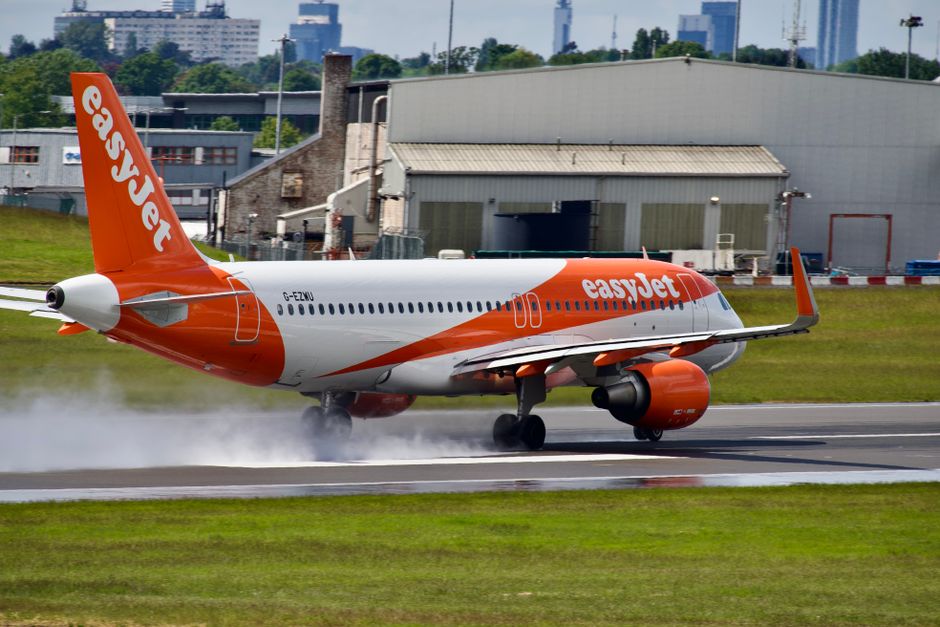
Analysts note that the deal would give Apollo a prominent stake in Europe’s low-cost segment, where price competition is fierce but demand is rebounding. The acquisition could enable a faster pace of investment in newer aircraft, more efficient maintenance programs, and greater leverage to push through restructuring without immediate public market constraints.
Market Reaction and Investor Outlook
Markets initially treated the news as a turning point for EasyJet, with the stock moving higher in early trading and investors weighing the premium offered by the bidders. Market participants pointed to a broader shift in Europe’s aviation landscape, where private equity players are more frequently stepping into ownership roles at strategic carriers as travel demand recovers.
In the context of the deal, market watchers highlighted a key moment of clarity: "easyjet accepts takeover offer" has implications beyond price, signaling confidence in a structured transition under Apollo’s stewardship. Investors will be watching how the transaction affects liquidity, debt levels, and the carrier’s resilience to fuel and currency swings.
Regulatory Path and Timetable
Regulatory approval will be the linchpin of any deal this size. UK competition authorities and the European Union’s antitrust regulators will scrutinize whether Apollo’s ownership would lessen competition on busy European routes, given EasyJet’s footprint and network synergies with other carriers.
Authorities will examine potential remedies, including divestitures or licensing adjustments, to avert market concentration concerns. The timeline of 12–18 months reflects typical delays from multi-jurisdictional reviews, diligence, and potential auction-style negotiations with other stakeholders.
What the Deal Means for Stakeholders
For shareholders, the takeover offers an exit path with a premium to current levels, while employees and unions will be watching for assurances on job security and labor terms during the transition. EasyJet’s management has reiterated its commitment to maintaining brand continuity and service quality, even as ownership shifts.
Analysts expect Apollo to implement a structured plan that preserves core routes, preserves customer-facing brands, and adds scale to compete with major European and Middle Eastern players. The fight for market share in a post-pandemic environment could hinge on fleet availability, maintenance efficiency, and the agility to deploy capacity where demand returns fastest.
What Happens Next
- Due diligence by Apollo and regulatory clearance in the UK and EU
- Shareholder approvals, if required, depending on deal structure
- Financing commitments finalized, including debt facilities and equity contributions
- Transition plan unveiled, detailing management roles and strategic priorities
A Traveler and Employee Perspective
Travelers could see continued route networks and possibly more competitive pricing as the new ownership aligns incentives around growth. However, changes to labor terms and potential reorganization could affect crew scheduling, maintenance staffing, and airport operations in the medium term. Industry observers emphasize the importance of clear communication with workers and customers as integration progresses.
Risks to Watch
- Antitrust hurdles: The combination could alter competitive dynamics across key European markets.
- Financing risk: The structure relies on a mix of debt and equity that must remain sustainable in a volatile fuel and macro backdrop.
- Execution risk: Integrating fleets, IT platforms, and supplier contracts across borders is complex and could affect near-term profitability.
Conclusion: A Turning Point for EasyJet
The deal underscores a larger narrative about private capital reshaping ownership in European transport assets. If regulators sign off and financing is secured, Apollo’s ownership could usher in a new era for EasyJet — one defined by accelerated modernization, enhanced financial flexibility, and a redesigned competitive stance on the Continent. For now, the market will watch closely as the parties navigate due diligence, approvals, and the delicate work of aligning two very different corporate cultures.
Key Takeaways
- Deal value: £5.7B ($7.7B) with control shifting to Apollo
- Upcoming milestones: regulatory clearances and due diligence ahead
- Market impact: potential reshaping of European low-cost aviation and private equity involvement

Discussion