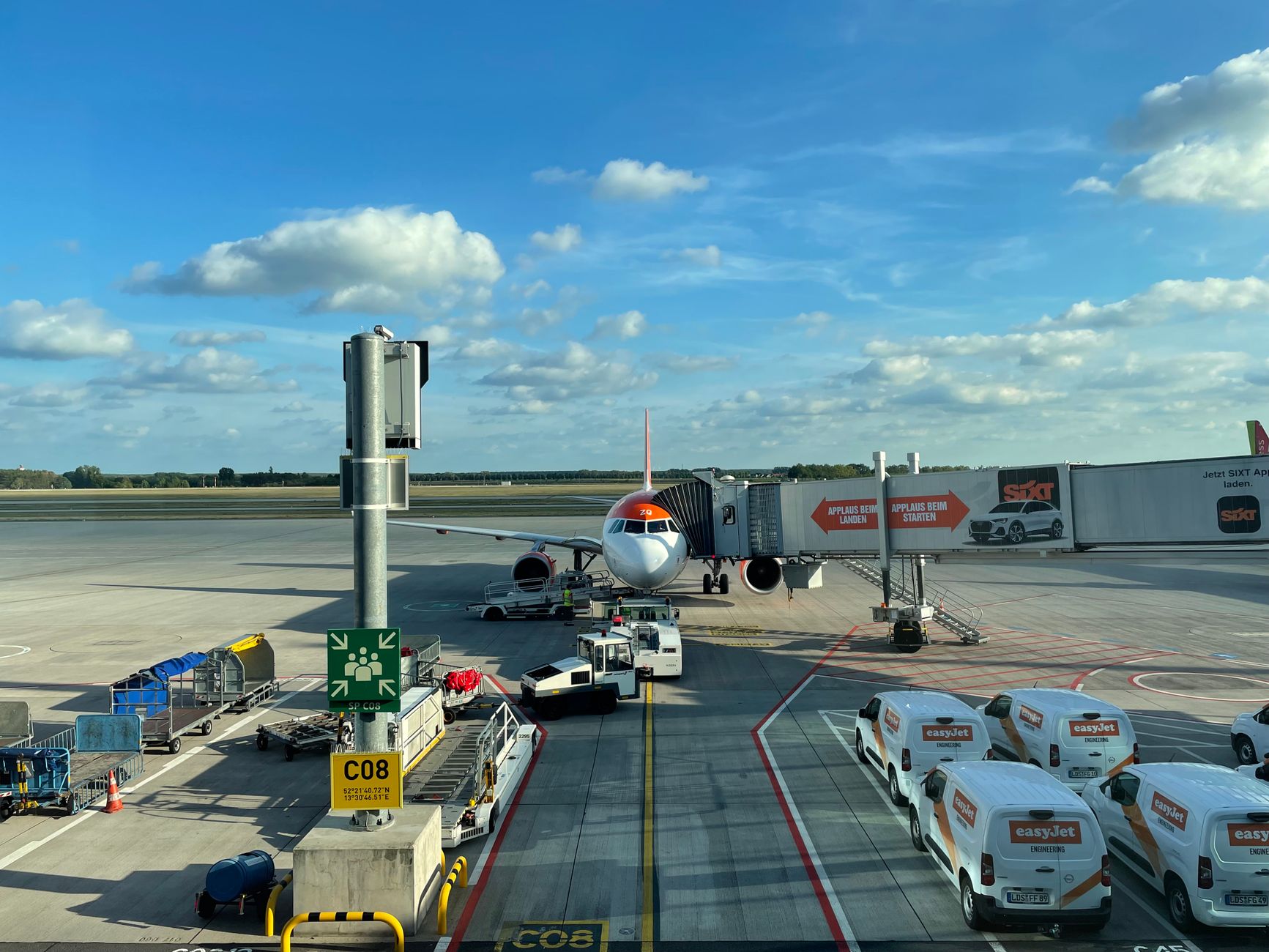
Breaking News: EasyJet Agrees $6.7 Billion Takeover By U.S. Private Firm
On July 6, 2026, a landmark deal is moving through the aviation market as easyJet agrees $6.7 billion takeover by a U.S. private equity firm. The approach signals a strategic pivot for the carrier and a major bet by a New York–based sponsor on Europe’s price-sensitive travel segment. The value of the deal and the structure are still being finalized, but the headline is clear: a U.S. investor plans to take one of Europe’s largest budget airlines private in a transformative ownership shift.
The deal has immediate implications for investors, travelers, and thousands of employees across easyJet’s network. Shares in the company showed a sharp reaction in late trading yesterday, with traders weighing the potential for debt-funded growth against regulatory hurdles and integration risk. Market watchers say the bid is a rare instance where a private equity sponsor targets a mass-market airline with a low-cost model and a broad European footprint.
Deal Details at a Glance
- Value: 6.7 billion U.S. dollars, representing a significant premium to recent trading levels.
- Buyer: a U.S. private equity platform with a history of strategic industrial bets across Europe.
- Structure: an all-cash or cash-plus-debt proposal intended to accelerate a transition to private ownership.
- Regulatory path: requires clearance from competition authorities in the U.K., EU, and other major markets where easyJet operates.
- Timing: deal closing targeted for the back half of 2027, subject to due diligence and antitrust reviews.
Industry insiders caution that while the price tag looks attractive on paper, lenders and sponsors will scrutinize flight schedules, fleet utilization, and the potential for overlap with rivals. The phrase circulating among traders is that the deal could unlock value if the buyer can push through cost controls while preserving essential routes and service quality.
Who Is Buying, And What It Means for Strategy
The buyer behind the bid is identified as Atlas Capital Partners, a New York–based firm with a diversified European portfolio. Atlas has built a reputation for steering complex transformations in mid-market assets and has signaled a focus on cash-flow stability, network optimization, and expanding premium service elements within a low-cost framework. EasyJet’s leadership has signaled a willingness to consider partnership opportunities that protect the core business while accelerating international expansion in high-demand corridors.
In a joint statement, Atlas Capital Partners’ chief investment officer, Maya Chen, noted that the deal aligns with a broader strategy to modernize expensive legacy networks and invest in technology that reduces turnaround times and improves seat utilization. Chen said, 'This is a long-term value creation plan that respects customers, preserves essential routes, and delivers sustainable growth for employees and investors.'
Meanwhile, easyJet’s top executives have framed the move as an opportunity to accelerate the airline’s transformation away from volatile public markets toward a more stable, growth-oriented private structure. In comments prepared for stakeholders, the airline’s leadership underscored continued commitment to safety, low fares, and a seamless customer experience during the transition period. A spokesperson for easyJet added that the company will prioritize a smooth transition for staff and will engage with unions and work councils as part of the deal’s integration phase.
Market Reaction And Investor Outlook
Financial markets reacted with a mix of optimism and caution. Investors welcomed the deal as a potential catalyst for disciplined capital allocation and fleet modernization, but many asked how the new ownership would handle fare competition, route density, and regulatory constraints across Europe. Shares of easyJet moved higher in response, though some investors cautioned that the closing of such cross-border transactions can be a lengthy process with potential antitrust objections.
Analysts emphasized that easyJet agrees $6.7 billion as a headline figure, but the ultimate value to shareholders will hinge on the final financing mix, debt levels after closing, and the buyer’s ability to integrate operations without disrupting customer access. In the near term, market players expect a flurry of due diligence activity, including fleet maintenance contracts, pilot and crew agreements, and long-term maintenance scheduling that could shape cost discipline for years to come.
Regulatory Path: The Antitrust Hurdles Ahead
Regulators will scrutinize the deal for potential competition concerns, particularly in markets where easyJet competes directly with low-cost rivals like Ryanair, Wizz Air, and S7 in adjacent regions. Authorities are likely to seek assurances on routing capacity, price discipline, and the protection of consumer access to affordable travel. The European Commission and the U.K.’s Competition and Markets Authority have signaled that a thorough review will be required, with possible remedial conditions if overlapping market power is found.
Industry observers note that the cross-border nature of European air travel means regulators will assess whether the deal reduces competition on key routes, especially in the United Kingdom, Spain, Italy, and Central Europe. If challenges arise, the buyer may need to divest certain assets or agree behavioral commitments to maintain consumer choice and service reliability. The timeline for approvals could extend into 2028 if major concerns emerge.
Impact on Travelers, Employees, And Corporate Culture
For travelers, the outcome could bring a mix of opportunities and uncertainties. A private ownership structure often enables bolder investments in fleet modernization, in-flight technology, and digital platforms that can deliver lower costs and more competitive pricing. At the same time, there is concern that a change in ownership could recalibrate route prioritization, loyalty programs, and schedule consistency across peak travel periods.

Employees face a pivotal transition. While private equity ownership can preserve core teams, it sometimes leads to performance-based restructurings, renegotiated labor agreements, and shifts in pay bands tied to productivity targets. EasyJet employees will be watching closely for job guarantees, wage progressions, and the pace of retirements or role consolidations during the integration period. Unions have indicated they will engage with management to safeguard working conditions and benefits throughout the transition.
What Comes Next: Timeline And Key Milestones
The parties expect to begin a formal regulatory clearance process immediately, with due diligence continuing over the coming weeks. Here are the key milestones to watch:
- Completion of due diligence and signing of final binding agreement within the next 60–90 days.
- submission of merger filings to the UK CMA and the European Commission within 2–4 months.
- Expected ruling window of 6–12 months for each jurisdiction, with possible remedial conditions if competition concerns arise.
- Closing still targeted for the latter part of 2027, contingent on approvals and financing arrangements.
As the market processes this news, the overarching takeaway is that the deal’s success will depend on execution, regulatory alignment, and the ability to preserve affordability for travelers while delivering tangible efficiency gains for the carrier. The central headline remains easyJet agrees $6.7 billion, a signal that investors expect a high-stakes transformation with broad implications for the European travel economy.
About The Parties And The Road Ahead
EasyJet, founded as a low-cost carrier with a robust fleet, has grown to serve millions of passengers annually and built a network that spans major European hubs and popular leisure destinations. The buyer, Atlas Capital Partners, has a track record of steering complex restructurings with an emphasis on cash flow and long-run growth. The combination is designed to unlock synergies in fleet planning, maintenance planning, and digital sales platforms, while keeping a sharp focus on customer accessibility and service reliability.

Both sides have emphasized a commitment to a transparent process and proactive communication with workers and customers. In statements released to stakeholders, executives reiterated that consumer access to affordable travel remains a priority and that the new ownership structure is designed to support sustainable growth in a changing aviation market. The journey from here will be closely watched by airlines, investors, workers, and travelers who rely on easyJet’s network for business and leisure alike.
Bottom Line for Markets And The Public
The easyjet agrees $6.7 billion offer is a watershed moment for European aviation finance. If regulators sign off and the financing is secured, the deal could set a blueprint for how private capital can steer large, consumer-facing industries through the next phase of globalization. For travelers, the outcome could eventually translate into more modern fleets, improved digital experiences, and competitive pricing. For employees, the transition will demand vigilance around job security, wages, and working conditions during a period of significant change.
Key Takeaways
- Major transformation is under way as a US private equity sponsor targets Europe’s budget airline segment.
- The deal hinges on regulatory approvals and successful integration, with a multi-year roadmap ahead.
- Travelers and workers should monitor for updates on routes, pricing, labor agreements, and service levels during the transition.
As the industry awaits the full framework of the proposed plan, the market will continue to digest every update. The headline, easyjet agrees $6.7 billion, underscores the scale of the ambition behind this private-equity-backed venture and the potential ripple effects across markets, jobs, and passenger costs in the months to come.

Discussion