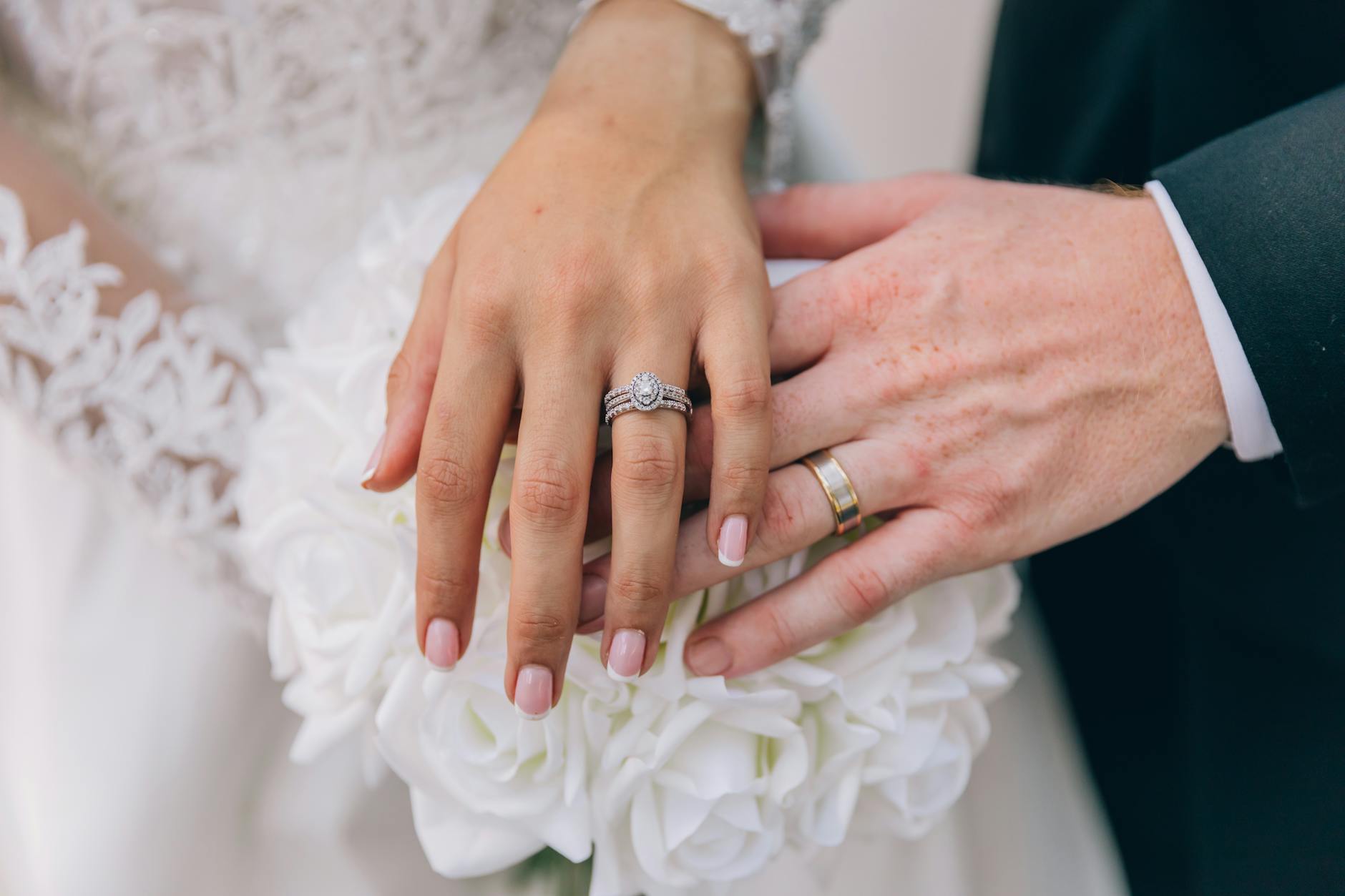
Introduction: The Moment, Not Just the Price
Romance has always come with a sparkle. But today’s couples often face a broader conversation about what that sparkle should cost and what it should symbolize. The idea that an engagement ring must be a lavish purchase is fading for many, replaced by a more deliberate look at what truly matters: the promise of a life together and the meaning behind the symbol. This shift—engagement rings taking meaning—is reshaping how people plan, save, and celebrate their engagement, especially as prices rise and affordability becomes a top concern.
The Pressure Curve: Society, Social Media, and the Wallet
A recent national survey of 2,000 U.S. adults in serious relationships—whether engaged or considering engagement—offers a clear snapshot of the pressures at play. A little over half report feeling pressure to select a more expensive ring due to societal expectations, while roughly half say social media amplifies that pressure. In contrast, the influence from family members or a partner tends to be smaller, highlighting a cultural shift toward external validation rather than close circles driving the choice. The big takeaway: about 65% of respondents agree that engagement rings are increasingly seen as a financial burden rather than a simple symbol of love. This generational mood reflects broader questions about money, status, and romance in modern life.
What "engagement rings taking meaning" Really Means
When people talk about engagement rings taking meaning, they’re describing a shift from “the bigger the better” to “the right fit for us.” It isn’t just about the size or cut of a gemstone. It’s about how the couple defines value: a lasting symbol, a shared experience, or a story worth telling. Some couples emphasize personal significance—like a family heirloom or a custom design that captures a relationship milestone—while others choose nontraditional routes that still celebrate commitment. The upshot is that the symbol remains important, but the price tag no longer dictates the message.
Generational Shifts in Ring Choices
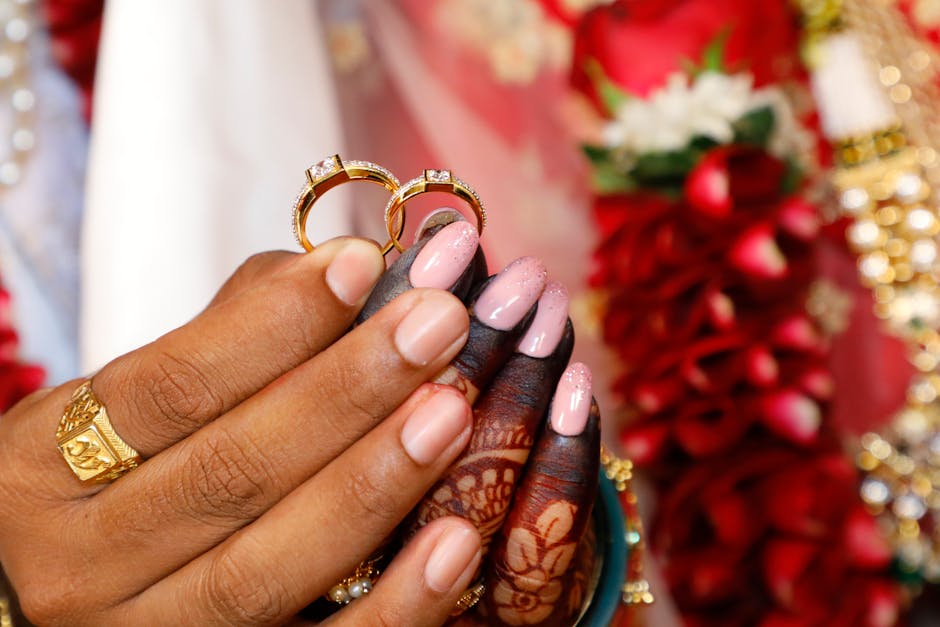
Gen Z and younger cohorts are driving a broader experimentation with what a ring can be. In recent findings, many in Gen Z would consider a stone other than a traditional diamond, or even skip the ring in favor of a symbolic shared experience. Alternative ideas include traveling together as a celebration, or choosing tattoo rings or matching tattoos that mark the moment in a different, perhaps more personal way. The trend isn’t rejection of commitment; it’s a rethinking of how to bearing witness to that commitment in a way that aligns with values and finances.
- Gen Z respondents show openness to non-diamond stones (around 30%) and to celebrating with a trip instead of a ring (roughly 26%).
- About a quarter of Gen Z and a fifth of millennials would consider tattoo rings or matching tattoos as a modern badge of commitment (roughly 25% and 21%, respectively).
- Across generations, the message is clear: alternatives that offer meaning without erasing significance are rising in popularity.
The Price Tag Reality: What People Are Actually Spending
Annual incomes and ring costs intersect in telling ways. A growing share of couples are rethinking the “three months of salary” guideline that has long guided engagement purchases. In recent responses, many couples report budgeting in the low to mid five figures for a ring, but the average actual spend often lands well below that benchmark when couples prioritize debt reduction, savings goals, and shared experiences. In practical terms, people earning around $60,000 a year may find themselves comfortable with a ring cost in the single-digit thousands, or even less, if they value financial compatibility and long-term goals as much as the milestone itself.
To put numbers into perspective, a recent study suggests the ideal ring cost for an average-salaried buyer could land around $10,000, while the typical annual income for many households is in the $60,000s. Yet a sizable portion of couples still spends a portion of their salary that mirrors a traditional tradition—though often less dramatically than the old rule would imply. The key takeaway is that couples aren’t bound to a one-size-fits-all number; they’re choosing what fits their lives and their finances.
Smart Ways to Make a Ring Meaningful Without Breaking the Bank
If you’re aligned with the idea that engagement rings taking meaning should coexist with smart money decisions, here are practical strategies you can implement today. Each approach preserves the significance of the moment while staying aligned with real-life budgets.
- Set a budget and stick to it. Decide on a number you won’t exceed, and build a plan around it. For example, if you aim for $6,000, explore options in the $4,000–$6,000 range and reserve the rest for essentials or experiences that deepen your bond.
- Consider non-diamond options or lab-grown stones. Moissanite, sapphire, or lab-grown diamonds can offer beauty and durability at a fraction of traditional prices. A 1-carat lab-grown diamond may cost substantially less than a mined equivalent, freeing up cash for other goals.
- Explore second-hand or vintage rings. A well-crafted vintage or pre-owned ring can carry more character and at a lower price than a brand-new piece, while still being legally and financially sound if you verify provenance.
- Choose a different symbol of commitment. A custom ring with a meaningful engraving, a gemstone with personal significance, or a commemorative tattoo can serve as a long-lasting reminder of the moment without triggering a large debt.
- Prioritize protection—insurance and maintenance. Regardless of the price, add jewelry insurance and plan for resizing or maintenance to protect your investment and peace of mind.
- Communicate openly with your partner. Agree on what “meaning” looks like for both of you—experiences, symbols, or a blend—and document it in a simple plan to avoid misaligned expectations.
Real-World Scenarios: How Couples Are Making It Work
To bring this idea into focus, consider two hypothetical couples and how they navigated the meaning-versus-cost dilemma.

- Alex and Priya saved for a year and chose a 0.8-carat lab-grown diamond set in a simple platinum band. They spent about $5,000, which covered a high-quality stone, strong insurance, and a memorable weekend. The decision honored their plan to pay for a future they both value—home, travel, and student loans—without carrying a heavy debt load.
- Santiago and Mei swapped a traditional ring for a custom design featuring a sapphire with a personal engraving and a matching bracelet for each partner. The total was under $3,000. They cited the experience of planning their life together as the lasting asset, not a single gemstone, and they still celebrate with friends on anniversaries and milestones.
How to Talk About It: A Practical Conversation Guide
Conversations about money can feel awkward, but they’re essential when you’re shaping a shared future. Here’s a simple guide to help you discuss engagement rings taking meaning into a practical plan:
- Start with values, not price. Ask what the ring should symbolize beyond its financial cost. Is it a reminder of partnership, a family story, or a marker of a milestone?
- Agree on a budget first, then explore options. Decide what you’re comfortable spending, then test different stones, settings, and alternatives within that range.
- Factor in savings goals. If you’re paying down debt or building an emergency fund, set a realistic timeline for the ring purchase to minimize financial stress.
- Document the plan. A simple note or checklist can help you both stay aligned as you shop, especially when friends and relatives offer unsolicited opinions.
Frequently Asked Questions About Engagement Rings Taking Meaning
Q1: Why are engagement rings taking meaning in today’s economy?
A combination of rising costs, updated values, and the influence of social media is changing how people view engagement rings. Rather than a single, costly symbol, many couples prefer a meaningful moment that aligns with their budget and life goals.
Q2: What affordable alternatives still feel special?
Consider non-diamond stones like moissanite or sapphire, lab-grown diamonds, or even vintage rings with stories. You can also swap a ring for an experiential celebration or a symbolic tattoo that marks your commitment in a personal way.
Q3: How can I talk to my partner about budgeting?
Approach the topic as a shared decision. Set a budget, discuss what meaning means to each of you, and explore options that fit both. Put the plan in writing and revisit it if circumstances change.
Q4: Is it worth buying insurance for an engagement ring?
Absolutely. Jewelry insurance protects against loss, theft, or damage and is a smart move no matter the price. Pair it with routine inspections and secure storage to maximize protection.
Conclusion: A Meaningful Moment, A Thoughtful Plan
The concept of engagement rings taking meaning reflects a broader shift in personal finance: romance can be celebrated with intention, not excess. As costs continue to rise, couples are increasingly choosing to align their symbols with their life goals—whether it’s saving for a home, paying off debt, or funding future adventures. By communicating clearly, exploring meaningful alternatives, and budgeting thoughtfully, you can honor the moment while safeguarding your financial future. In the end, the meaning you build together matters far more than the amount you spend on a single piece of jewelry.
Final Thoughts: A Personal Finance Perspective on Meaningful Moments
From a financial wellness view, engagement rings taking meaning isn’t about cheapening the gesture; it’s about elevating the moment with intention. The conversation itself can become a foundation for healthy money habits—fewer impulsive purchases, more shared goals, and a stronger sense of partnership. If you’re starting this journey, remember that the best symbol of commitment is a future you’re both excited to build, not a price tag that drains your resources.
Discussion