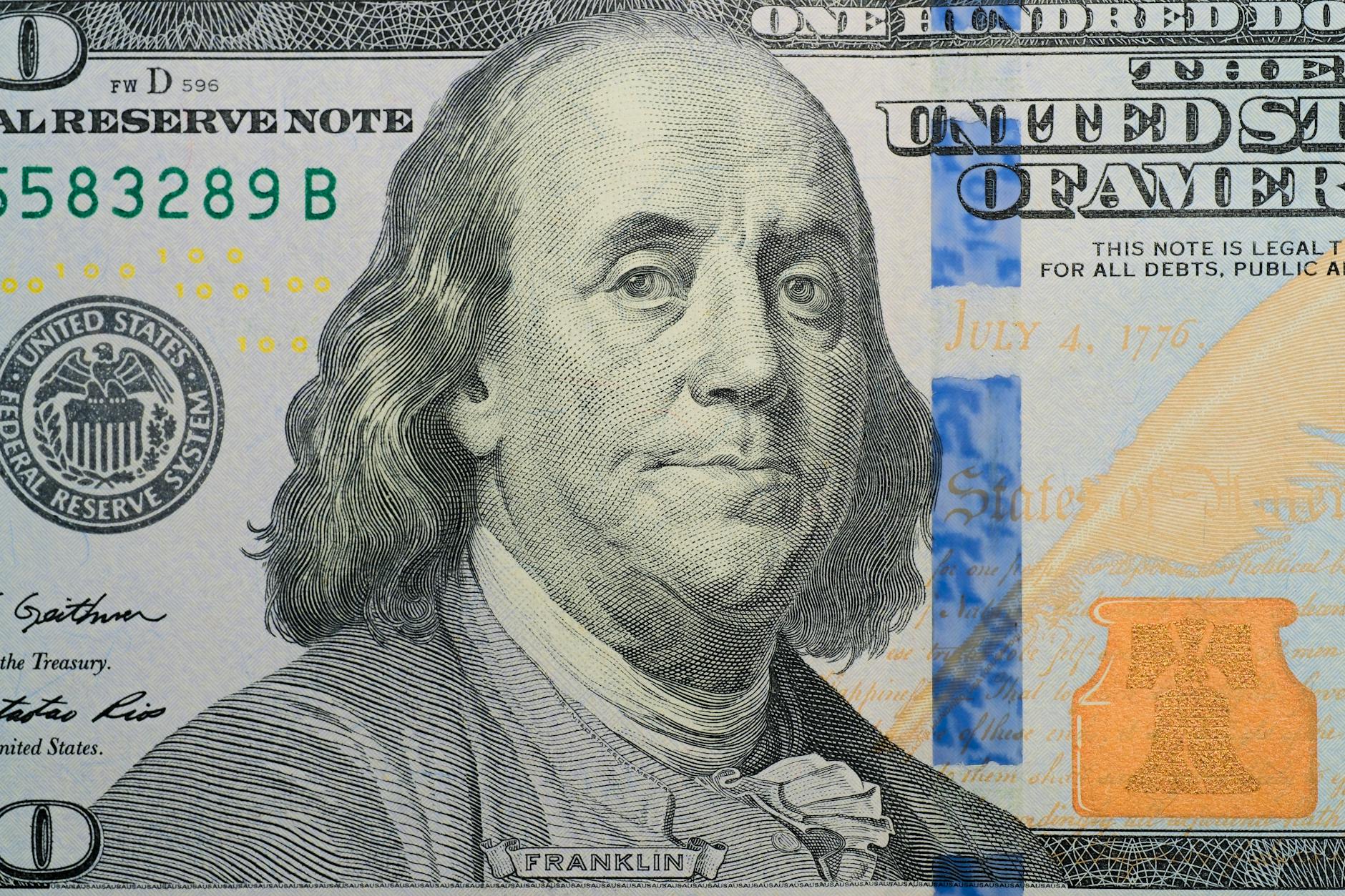
Markets Pause As Fed Holds Interest Rates Steady
In a move anticipated by traders and households alike, the Federal Reserve on Wednesday decided to hold the benchmark federal funds rate at 5.25%-5.50%. The decision comes after a period of cooling inflation and a softer labor market, which reduced near-term pressure on the central bank to cut or hike in the immediate term.
The central bank's communication stressed that the economy is expanding at a solid pace, but uncertainties surrounding supply shocks and demand dynamics remain elevated. The official statement noted that policy will remain data-driven as it weighs the path of inflation against ongoing labor-market shifts.
Officials signaled that the decision to hold reflects a balancing act: they want to see how the economy absorbs higher financing costs without stalling growth. One member captured this sentiment by saying, 'The federal reserve holds interest at the current level as data continue to shape our view.' The market interpretation: the Fed is in wait-and-see mode, ready to act if inflation re-accelerates or labor-market momentum resurges.
What the Decision Says About Inflation And Jobs
The latest policy stance underscores that inflation has cooled toward the Fed's 2% objective but remains above target in several readings. A softer hiring pace and slower wage growth, coupled with modest consumer spending, have given the Fed room to pause. Yet policymakers caution that inflation can reaccelerate if supply constraints ease or demand rebounds, keeping the door open to future adjustments.
When asked about the reasons for maintaining the pause, officials highlighted a domestic growth profile that looks sturdy on paper but is uneven across sectors. The committee noted that the economic outlook depends heavily on geopolitics, commodity prices, and financial conditions, all of which could tilt in unpredictable directions.
Impact On Borrowers, Savers, And Investors
For borrowers, the hold means loan rates tied to the policy rate are unlikely to drop soon, particularly for new adjustable-rate mortgages or credit lines that move with the federal funds rate. Savers, meanwhile, may see minor improvements in savings yields as banks adjust rate offers in response to funding costs, though the changes are unlikely to be dramatic in the near term.

Investors reacted with cautious optimism, recognizing that the decision keeps policy on a measured path. Equity markets hovered near flat to slightly higher as traders reassessed expectations for future rate moves. Bond yields moved modestly lower after the pause, reflecting relief that the Fed did not surprise markets with an immediate hawkish shift.
What This Means For 2026 And Beyond
Economists say the hold reduces uncertainty in the near term, allowing households and businesses to plan with more certainty about borrowing costs. However, the policy path remains highly dependent on incoming data on inflation, wage growth, and consumer spending. The Fed’s projection signals that policy may only ease if disinflation confirms itself, or it could tighten further if new pressures emerge.
Analysts note that the decision to maintain the rate at this level could support consumer confidence and spending, while also keeping pressure on homebuyers and small businesses that rely on affordable credit. The phrase that keeps circulating among market watchers is that the federal reserve holds interest at the current rate until the data clearly show inflation is advancing toward target and the labor market stabilizes.
Key Data Points To Watch
- Policy rate: 5.25%-5.50%
- Unemployment rate: hovering near 3.6%-3.8% in latest reports
- Core inflation (PCE): around 2.0%-2.2% year over year
- GDP growth: estimated modest expansion in the low-to-mid 2% range
- Mortgage rates: influenced by policy expectations and market demand
What To Expect Next
Markets will parse every new data release for signs the Fed will shift policy. The next round of inflation readings, wage data, and consumer-spending patterns will be critical in shaping expectations for mid-year moves. If inflation moves back above target, the Fed could consider tightening; if it continues to ease, the door could open for slower policy normalization or a gradual rate cut later in the year.
For now, households should prepare for a period of steadier borrowing costs. Personal finance decisions—ranging from mortgage applications to student-loan refinancing and credit-card strategies—should factor in the possibility that rates remain elevated longer than some had expected.
Bottom Line
The Federal Reserve holds interest rates steady, signaling a cautious approach as it weighs incoming data against a fragile, uneven recovery. With inflation near the 2% target and the labor market cooling, policymakers are betting on gradual progress rather than aggressive moves. The next several months will be telling as the data reveal whether this pause becomes a longer period of stability or a prelude to future policy action.

Discussion