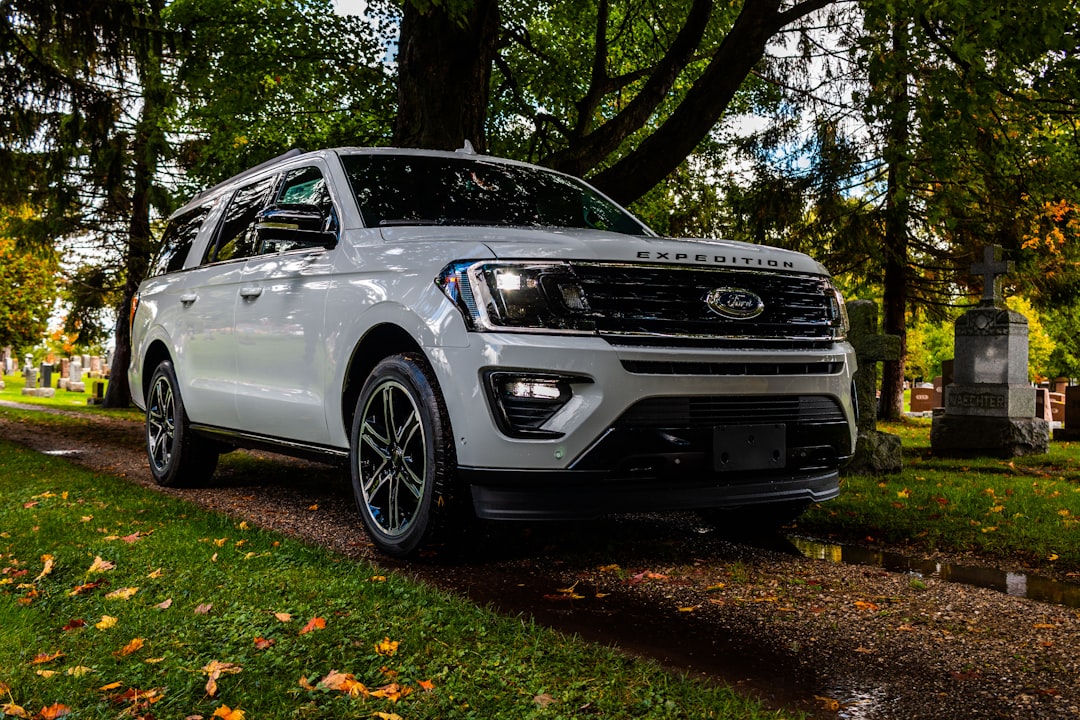
Breaking News: Ford Recalls Nearly 420,000 Vehicles Over Seat Belt Fault
ford recalls nearly 420,000 vehicles after a safety watchdog flags a seat belt fault that could cause the belt to lock unexpectedly, reducing protection in a crash. The recall covers Ford Expedition SUVs and certain Lincoln Navigator models and is one of the bigger auto-safety actions this year. Ford says it will notify owners and replace the belt assemblies at no cost to customers.
Who Is Affected and What Went Wrong
The issuer of the recall spans roughly 420,000 vehicles in North America, including Ford’s popular Expedition full-size SUV and the Lincoln Navigator. Regulators say the seat belt mechanism may lock in ordinary use, potentially preventing proper restraint during a crash. Although no injuries have been publicly linked to this defect yet, the risk is serious enough to require a formal recall and a dealer-level fix.
- Affected models: Ford Expedition and Lincoln Navigator SUVs
- Estimated scope: about 420,000 vehicles globally
- Defect: seat belt locking could occur unintentionally, compromising restraint
- Remedy: replacement seat belt assemblies conducted by authorized dealers at no cost to owners
- Timeline: owners will be notified in the coming weeks with instructions on scheduling repairs
What This Means for Drivers
For owners, the recall translates into a maintenance item that can affect daily costs and vehicle resale value. While the fix is free, the disruption to driving plans and the time required for service can create short-term inconvenience. In addition, recalls of this scale commonly influence insurance premiums and, in some cases, the perceived value of used vehicles on the market.
Analysts say the recall is another reminder that safety fixes continue to echo through the financing chain. Car buyers relying on loans or leases may see minor shifts in terms as lenders reassess risk around aging fleets and the cost of future repairs. The topic also feeds into broader market dynamics as consumers recalibrate auto expenditures amid higher interest rates and inflationary pressures.
Financial and Market Implications
The recall adds to the ongoing costs that automakers face when balancing safety investments with earnings. Ford, like peers, must absorb parts, labor, and logistics for the recall while maintaining production lines for ongoing demand. Wall Street watchers say costs tied to recalls can shave a portion off near-term earnings per share, even if the long-run impact is limited by recall efficiency and customer goodwill.
From a broader market view, the incident underscores how personal finance and vehicle ownership remain intertwined. Owners juggling debt, insurance, and vehicle maintenance could see temporary strain, especially if they rely on financing plans tied to the vehicle. The situation offers a real-time case study in finance costs that come with owning a highway vehicle subject to safety recalls.
What Ford Is Doing and What Owners Should Do
Ford reports it will begin notifying affected customers and will replace defective seat belt assemblies at no charge. The company emphasizes safety as its top priority and notes that the repair is straightforward for trained technicians.
Owners can take these steps now: check recall notices from Ford and the National Highway Traffic Safety Administration, contact a local Ford or Lincoln dealer to schedule service, and avoid delaying the repair once notified. If a vehicle is subject to a recall, it is typically wise to arrange a prompt appointment to minimize risk and avoid any potential penalties related to deferred service.
How to Check If Your Vehicle Is Included
To verify whether your vehicle is part of the recall, use official portals from Ford and the NHTSA. Have your vehicle identification number (VIN) ready, as it speeds up the lookup. Dealers will replace the seat belt components at no cost, and owners should not pay out-of-pocket for the fix.

Bottom Line for Consumers
The recall illustrates how safety matters translate into real financial decisions for households. For many families, a free repair is a relief, but the process can affect schedules and budgeting in the weeks ahead. As ford recalls nearly 420,000 vehicles, buyers and current owners alike should stay informed about recall updates and the expected timeline for service appointments.
Closing Note
As the recall unfolds, lenders, insurers, and buyers will watch closely to assess any ripple effects on financing terms and vehicle values. The event offers a practical lens on how safety policy and personal finance intersect in a complex auto market that remains sensitive to interest-rate moves and supply-chain pressures.

Discussion