New effort aims to shield workers from AI disruption
In a move designed to sharpen the nation’s readiness for an AI-driven economy, a pair of former state leaders announced the formation of a new coalition focused on building an AI-ready workforce. The initiative, launched this week under the banner of RAISE US, brings together technology firms, employers, philanthropies, and educators to fund training, expand apprenticeships, and test policy ideas that can soften the transition for millions of workers.
Former Indiana governor Eric Holcomb, a Republican, and Gina Raimondo, the former Rhode Island governor and U.S. Commerce secretary, are leading the effort. They describe the push as a practical, pragmatic response to a coming wave of automation that could reshape entry-level and mid-skill jobs in the next few years.
"We don’t want to wait for the ‘then what’ moment when billions of AI agents are deployed and unemployment climbs at the margins," Holcomb said in a briefing with reporters. "Now is the time to lay the groundwork for an AI-ready economy that can absorb workers into new forms of work rather than leaving them behind."
Raimondo echoed that sentiment, stressing the need for a concrete plan rather than broad rhetoric. "We have to prove we can manage a transition without a flood of unemployment, and that means pairing capital with real job pipelines and measurable outcomes," she said.
What the coalition plans to do
The group has outlined a multi-pronged agenda designed to address both the supply of skilled workers and the demand for AI-literate labor in the private sector.
- The coalition aims to fund affordable, stackable credentials—short courses, certificates, and micro-credentials—that translate into real job opportunities in AI-support roles, software testing, data labeling, and systems integration.
- Partners will develop apprenticeship tracks in collaboration with employers, allowing workers to earn while they learn and gain AI-related experience in fields like manufacturing, logistics, and healthcare.
- Organizers say seed commitments from philanthropic organizations and corporate partners will be used to launch pilot programs in at least 15 states over the next 18 months.
- The coalition will publish quarterly metrics on job placements, wage gains, and retention rates to ensure programs deliver tangible benefits for workers and taxpayers.
- The group plans to test state and federal policy pilots, including targeted tax credits for employers who hire and retrain workers, and streamlined funding mechanisms for community colleges and vocational schools.
Why now and why bipartisan?
The timing is driven by rapid AI adoption across sectors, from manufacturing floors to back-office operations. Proponents argue that a structured response can help workers pivot to higher-skill roles and minimize friction in the transition. The effort is intentionally bipartisan, a nod to the idea that the stakes cross party lines and that practical solutions can outpace partisan gridlock.
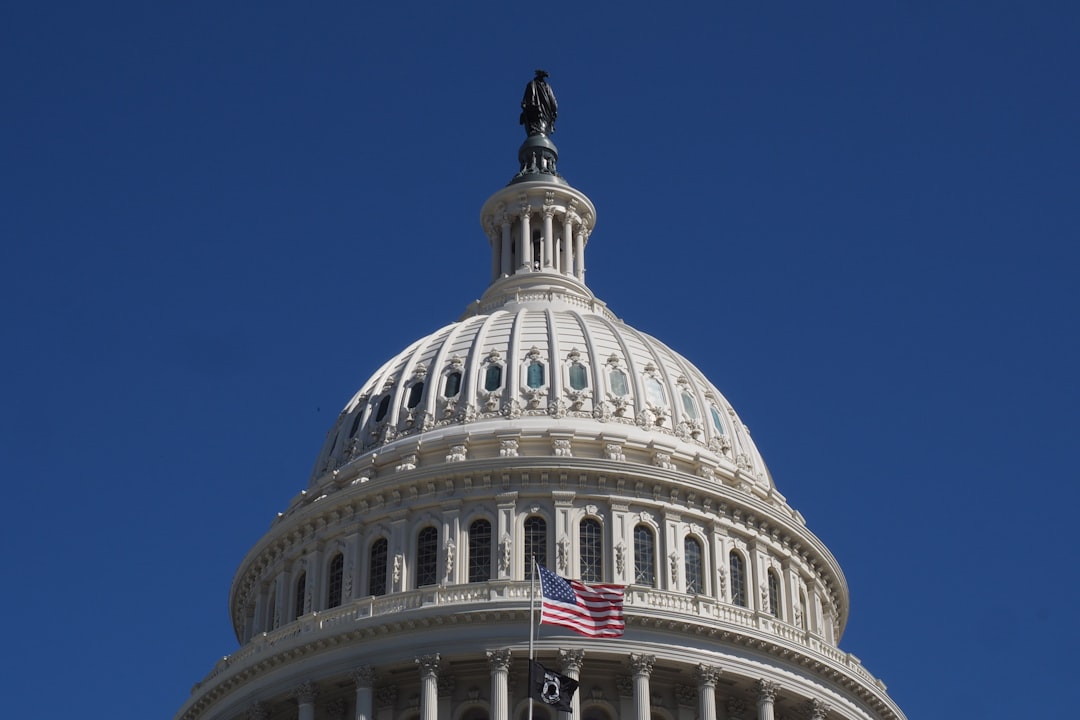
Observers note that the former governors launch bipartisan approach could help attract a broader coalition of supporters, including unions, local governments, and mid-sized employers who have been wary of top-down mandates. Critics, however, warn that without enforceable milestones, the initiative could remain a planning exercise rather than a driver of real change.
Analysts point to the need for trust between employers and workers in a world where AI tools alter daily routines. The organizers say the coalition is designed to be a learning platform as much as a funding engine, with pilots serving as proof points for what works at scale.
Implications for workers and households
Experts estimate that a sizable segment of the workforce will need retraining or upskilling as AI systems automate routine tasks. While some roles may shrink, others will emerge that require higher levels of digital literacy, problem solving, and collaboration with AI tools. The coalition’s stated ambition is to move workers from displacement risk to opportunity through targeted programs and real-world apprenticeships.
In conversations with workers and small-business owners, the message is clear: action must be concrete, transparent, and connected to local labor markets. A number of state chapters are expected to pilot programs in industries with high exposure to automation, including warehousing, transportation, customer service, and certain segments of healthcare support functions.
Early commitments and momentum
While the coalition is still in its infancy, organizers say that more than two dozen partners have signed on as founding members, with initial funding commitments totaling hundreds of millions of dollars. The money will back training facilities, online learning platforms, and employer-mentored programs that can be scaled if early results look promising.
Holcomb and Raimondo have signaled that the effort will evolve quickly, with milestones tied to real-world outcomes. "We’re aiming for a tight feedback loop: train, place, measure, and repeat in a way that learning curves aren’t a luxury but a standard practice," Raimondo said. "If we can demonstrate progress in a handful of states, we can adapt and expand rapidly."
Timeline and next steps
- Next 60 days: Finalize partnerships with public and private entities, unlock initial funding, and establish regional leadership councils to tailor programs to local labor markets.
- 6–12 months: Launch first wave of apprenticeships and micro-credential courses in identified pilot regions; publish early outcome data for scrutiny.
- 12–24 months: Scale successful pilots, extend to additional states, and implement policy pilots such as targeted employer credits and training subsidies.
What this means for the broader market
For investors and business leaders, the coalition represents a signal that leaders are taking workforce disruption seriously and seeking measurable, scalable solutions. If successful, the model could become a template for combining philanthropy, government funding, and private capital to accelerate talent development in a way that aligns with AI’s pace of change.
Markets have been closely watching how policymakers and industry will respond to AI’s earnings impact. While a short-term pullback in tech shares has persisted in recent weeks amid volatility, the long-run expectation remains that a skilled workforce will enable higher productivity and sustain growth as digital tools become more embedded in everyday work.
Key takeaways for readers
- The coalition is led by two former governors—Eric Holcomb and Gina Raimondo—who are leveraging a bipartisan framework to tackle AI-driven job shifts.
- The plan prioritizes practical training, apprenticeships, and public-private partnerships to build an AI-ready workforce.
- Early funding committals and partnerships signal momentum, with a goal of measurable outcomes in the coming 18–24 months.
Bottom line
The rollout of this bipartisan effort could reshape the way the country thinks about AI and jobs. If the coalition delivers on its promises—training pipelines, funded pilots, and accountable metrics—it may provide a durable counterbalance to automation displacement and set the standard for how government, philanthropy, and business can collaborate in the AI era. As the group itself frames it, now is the time for practical, on-the-ground action rather than empty promises.
Note: This article references a new initiative led by former Indiana governor Eric Holcomb and former Rhode Island governor Gina Raimondo, aimed at creating an AI-ready and AI-resilient workforce, with a specific emphasis on bipartisanship and measurable employment outcomes.
Keywords in focus: former governors launch bipartisan, AI jobs, workforce alignment



Discussion