
Jet Fuel Costs Ease, Yet Fares Stay Higher
As markets move through the heart of the summer travel season, jet fuel benchmarks have cooled, giving airlines a welcome cost cushion. The latest data show a meaningful drop from late last year, even as ticket prices remain stubbornly elevated for many routes. Analysts and industry executives point to a complex mix of demand strength, hedging, and systemic costs that keep fares higher than one might expect given cheaper fuel.
In fresh market notes, researchers emphasize that fuel prices have dropped. Yet large U.S. carriers are choosing a cautious pricing posture as they navigate a still-recovering travel market, labor pressures, and higher airport-related charges. The contrast between cheaper fuel and pricier tickets is now a defining feature of the 2026 travel landscape.
Travelers are noticing echoes of that paradox in everyday bookings. The pace of price changes across carriers is uneven, with some routes showing modest declines while others hold firm. The industry remains under pressure to balance cash flow, debt obligations from pandemic-era borrowing, and the imperative to maintain service quality on both domestic and international legs.
What Is Driving the Disconnect?
The short answer is that fuel prices have dropped, but several other forces keep airfares elevated. Demand for travel, especially on core leisure routes, has rebounded faster than some forecasts. Business travel, though still not back to pre-pandemic norms, has picked up on corporate budgets and favorable exchange rates for international trips. Airlines are keen to protect revenue streams in the face of rising staffing costs, pension plan contributions, and increased fees charged at airports and networks.
Below are the crucial factors shaping ticket prices in mid-2026:
- Demand and capacity dynamics: Passenger volumes are near pre-crisis levels on many routes, but airline capacity growth has not kept pace with demand. That gap supports pricing power even when fuel costs ease.
- Labor and benefits costs: Pay deals with pilots, cabin crews, and ground staff have added to operating expenses, creating a floor under fare levels on many itineraries.
- Airport and security fees: Landings, gate usage, and security costs are rising on several major corridors, leaking into the price of tickets.
- Ancillary revenue strategy: Airlines increasingly rely on seat fees, bag charges, and bundled services to shore up margins, which can mask lower base fares but lift overall trip costs for travelers.
- Hedging and fuel strategy: While fuel costs have cooled, many airlines entered 2026 with hedged fuel positions at varied strike prices. Those hedges cap downside risk but can delay the pass-through of lower fuel costs to fares.
“fuel prices have dropped” is a headline that doesn’t always translate into cheaper tickets the moment the market moves. In practice, hedging contracts and the timing of fuel purchases influence when savings show up in the price of an airline ticket. The net effect, for now, is a mixed bag for consumers depending on destination, season, and flight class.
Fuel Prices Have Dropped: The Numbers Behind the Relief
Industry data show a clear downshift in jet fuel costs since the 2025 peak period. Benchmark prices for jet fuel per gallon have averaged around $2.80 in June 2026, a drop from roughly $3.20-$3.30 per gallon in late 2025. The Energy Information Administration notes that wholesale fuel margins have also softened, helping fewer-but-better-costs headlines on airline income statements.
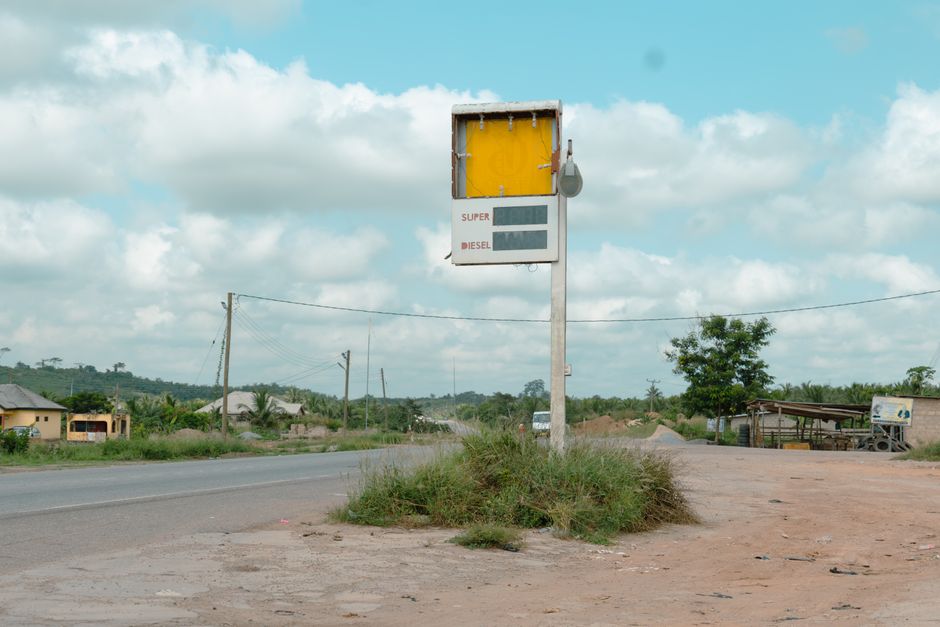
Even with cheaper fuel, the overall cost structure of airlines remains more complex than a single line item. On a typical domestic route, jet fuel can account for roughly one-fifth of operating costs, depending on distance, fleet mix, and turn times. That means a meaningful fuel price decline translates into tens of millions in annual savings for a large carrier, but it does not automatically produce commensurate price reductions at the point of sale.
Market observers estimate that travelers are already feeling the benefits in some markets—especially those with high competition and lower load factors earlier in the year. Yet in many crowded corridors with limited seats and high demand, carriers have kept to aggressive pricing to preserve margins and fund fleet replacements or software investments aimed at smoother operations.
How Airlines Are Responding
Airlines are leaning on a mix of hedging protections and pricing discipline. The majority of the major U.S. carriers entered 2026 with substantial hedges in place for jet fuel over the next several quarters. Those hedges create a floor on cost volatility but can also dampen immediate pass-throughs when fuel prices have fallen. Beyond hedging, airlines are refining fare structures—sharper tiering, dynamic pricing, and selective discounting—so that savings from lower fuel bills don’t erode profit margins in congested markets.
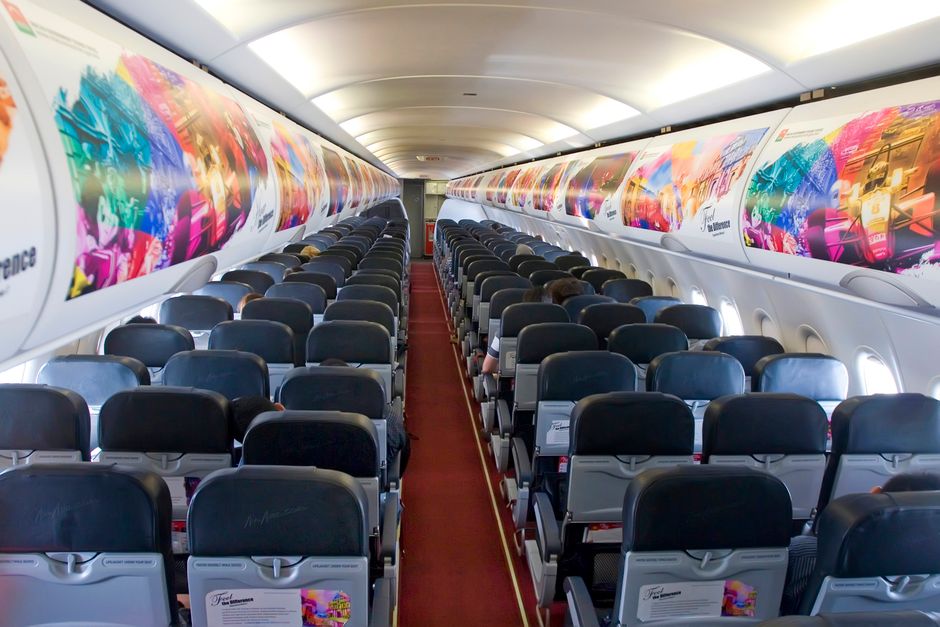
Officials at several carriers stress that the near-term objective is stable cash flow and liberated capital for investments in fleet modernization and on-board amenities. CFOs emphasize that even as fuel costs have dropped, the company’s broader cost base, including labor, maintenance, and technology, must be managed to sustain service levels for customers.
“fuel prices have dropped.” The mantra is not a guarantee of ticket relief. Instead, it signals a shift in the cost structure that, when combined with other factors, can eventually translate into lower fares—but not on a strictly linear timeline. Analysts say cautious optimism is warranted as carriers announce earnings and guidance for the second half of 2026.
What This Means for Travelers
For people planning summer trips or early fall getaways, there are practical takeaways from the fuel-price environment. While you may encounter fewer surcharges in some markets, a blanket expectation of lower fares across the board might be premature. Here are tips to navigate the current landscape:
- Shop across multiple airports: In some regions, alternative hubs offer lower fares and better redeployment of seats.
- Be flexible with dates and times: Midweek departures and red-eyes can yield meaningful savings even when fuel costs have dropped.
- Use fare alerts and bundles: Bundled offers with checked bags or seat selections can provide perceived savings when base fares stay higher.
- Consider longer itineraries with layovers: Through-ticket prices can sometimes beat direct flights on a price-per-mile basis.
- Watch for airline-specific programs: Loyalty status, promo codes, and credit-card partnerships can unlock lower fares or seat upgrades as part of a broader travel plan.
Travelers should also keep a close eye on major market updates as Q2 and Q3 earnings season approaches. If fuel prices have dropped further, the speed at which price reductions flow through to consumer tickets will depend on how airlines structure their next rounds of fare changes and network optimization.
What to Expect Next
Industry forecasts suggest that even with lower jet fuel costs, fares may remain elevated in the near term on high-demand routes and in peak travel windows. The combination of improving demand signals, ongoing labor pressures, and the ongoing investment cycle in equipment and digital platforms reinforces a cautious, rather than aggressive, approach to pricing. In other words, fuel prices have dropped. But fares may stay elevated for a while as carriers balance profitability with customer value.
For travelers who plan ahead, the next two quarters could bring a mix of fare movements: gradual declines on select routes where competition is intense and tighter control where capacity is constrained. The key is to stay informed about hedging contracts and corporate travel trends, which can shape pricing patterns in ways that aren’t immediately visible on a single fare page.
Data Snapshot and Quick Comparisons
- Domestic average round-trip fare (June 2026): about $390, up roughly 4% year over year.
- Jet fuel price (June 2026): approximately $2.80 per gallon, down from late-2025 levels.
- Share of operating costs attributed to fuel: about 21% on typical U.S. routes, varying by fleet and distance.
- Hedged fuel exposure for major carriers: a broad mix, with a sizable portion locked in for 6–12 months ahead of current prices.
- Air travel demand: close to pre-crisis levels on several leisure routes, with corporate travel slowly rebounding.
As markets continue to digest these dynamics, consumers should expect a period of selective pricing adjustments rather than a broad, uniform drop in ticket costs. The headline may emphasize that fuel prices have dropped, but the real test is how quickly and where that relief translates into lower airfares for everyday travelers.

Discussion