The biggest daily headline is simple: gas prices have moved above $4 per gallon again, and inflation reports suggest the bleed is spreading beyond fuel. The latest data released on May 28, 2026, shows the Personal Consumption Expenditures (PCE) price index rising 3.8% year over year, with the core PCE, which excludes food and energy, at 3.3% year over year. In markets and in homes across the country, that combination reinforces the idea that high prices just start to pressure budgets and decision-making.
What the latest data show
The BEA’s PCE report is the Federal Reserve’s preferred inflation measure because it smooths some volatility and focuses on spending patterns. While the monthly increase in prices cooled a bit, the year-over-year climb remains uncomfortably high for a late-cycle economy.
- Gas prices: The national average hovers above $4 per gallon, with regional variation driven by refinery outages and international tensions in the Middle East. The price tag at the pump is a direct reminder that energy costs still shape broader inflation dynamics.
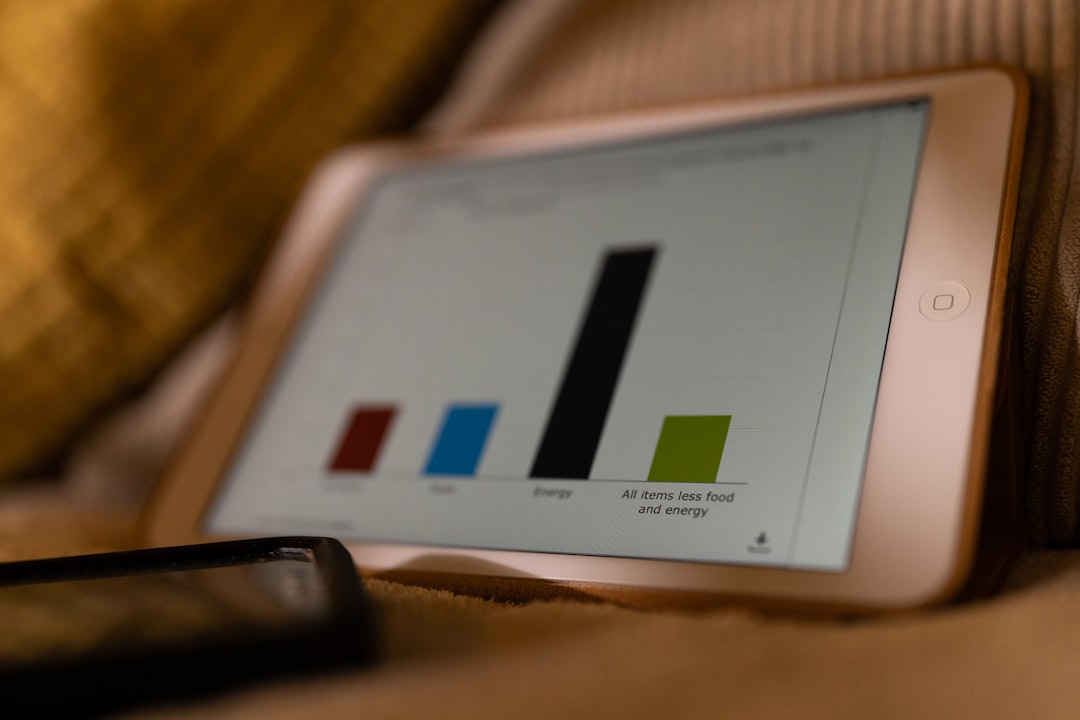
- Headline PCE: Up 3.8% year over year in the latest report, marking the fastest pace since 2021 for this broad index tied to consumer spending.
- Core PCE: Excluding food and energy, prices are up 3.3% year over year, a key signal the Fed uses to gauge underlying inflation pressures.
Why inflation is seeping into more parts of the economy
Economists say the latest readings point to inflation embedding itself in housing costs, utilities, and discretionary spending, even if overall growth slows in the near term. Rent, home maintenance, and utilities have shown persistent gains, and services tied to consumer services and hospitality have not cooled as quickly as the goods sector.
“Inflation is no longer a single-speed phenomenon,” said Dr. Elena Park, a professor of finance at Brookside University. “The data suggest a broad-based lift in prices that isn’t purely tied to energy. When housing and services costs rise alongside energy, households feel the squeeze across every line item in a monthly budget.”
Leading indicators and what households should watch
Analysts say the important question isn’t only whether gas prices push higher, but whether the broader set of inflation inputs remains sticky. If services prices continue to outpace expectations, the cost of living could stay elevated even as the labor market cools modestly.
- Housing costs: Rent and home-related services have continued to outpace overall inflation, contributing to a higher baseline for household expenses.
- Utilities and recreation: Utilities, maintenance, and recreation spending have shown resilience in the face of a softer goods economy, widening the inflation footprint beyond energy.
- Income growth: While wages have been rising, real income growth has yet to catch up fully with the pace of price increases, limiting household purchasing power.
Market and policy implications
From a policymaking standpoint, the risk is clear: inflation that sticks in services and housing makes the Fed’s job harder, potentially delaying any meaningful easing. Traders have already re-priced rate expectations in response to the May data, with buyers of longer-dated Treasuries and stock investors weighing how durable the inflation pickup may be.
“If the data persist, the message to the Fed could remain more cautious than some had anticipated,” said Marcus Reed, chief economist at HarborView Capital. “The market will dollar-cost-average its bets on policy, but the worst-case scenario is a slower, more volatile path to lower inflation.”
Important note for savers and borrowers
The current inflation picture implies higher real costs for households that carry debt or rely on credit for big purchases. Mortgage rates, auto loans, and credit-card rates are all influenced by the inflation outlook and the Federal Reserve’s policy stance. Savers may see modest gains on some fixed-income instruments, but those returns may still lag the pace of price increases in durable goods and services.
As the market absorbs the latest numbers, households are being forced to re-prioritize spending. The practical consumer question remains the same: how much of a price cushion exists in the budget for essentials versus discretionary items?
Quotes from the field
“The era of a one- or two-month inflation spike is over for many economists,” noted Dr. Lila Zhang, senior economist at MarketPulse. “What we’re observing is a transition to a more persistent inflation regime that could keep prices higher for longer than expected.”

Another veteran observer adds: “The phrase high prices just start could echo in households’ minds as they see energy, housing, and services costs stay elevated. It’s not a blip; it’s a trend that needs careful policy navigation.”
Conclusion: what to expect next
The May 28, 2026 inflation release reinforces a difficult truth for families: prices may be elevated for longer, even if the pace of monthly gains slows. The combination of higher gas prices and a persistent rhythm of core inflation means households will continue to adjust budgets and expectations. If the trend persists, the warning becomes less of a headline and more of a living reality: high prices just start to dictate everyday decisions, from grocery lists to vacation plans.
Key data snapshot
- Gas prices: nationwide average above $4 per gallon in late May 2026
- Headline PCE: +3.8% year over year (May 2026)
- Core PCE: +3.3% year over year (May 2026)
- Monthly PCE growth: cooled from prior months, but price levels remain elevated

Discussion