Gas Prices Clear $4.50 as Iran Tensions Tighten Oil Supply
The national average for regular gasoline moved above the key $4.50 mark on Wednesday, signaling a fresh round of pressure on drivers as geopolitical frictions in the Persian Gulf escalate. The latest data from AAA shows the average at about $4.62 per gallon, an increase of roughly eight cents from the prior day.
Market watchers say the price action reflects investors pricing in higher risk to crude supplies. Even with relief efforts in some corners, traders are wary that any escalation could limit supply flows or extend refinery bottlenecks, keeping prices elevated in the near term. "The market is assessing risk premiums around crude supply," said Maria Chen, an energy analyst with AAA. "If tensions flare, we could see further moves higher in the days ahead."
What Is Driving the Move
Several factors are feeding the latest uptick in gasoline costs. First, oil traders are tracking the potential for sanctions or shipping disruptions that could squeeze crude flows from the region. Second, refinery margins remain under pressure from maintenance and seasonal demand, limiting how much pricing power retailers can exercise. Finally, a backdrop of ongoing inflation and higher input costs for refining feeds into pump prices for consumers.
These dynamics come as the broader energy complex oscillates between fears of supply constraints and hopes for a diplomatic breakthrough. Analysts say the trajectory for gasoline prices hinges on geopolitical headlines and any new signs of cooperation on oil flows. "Volatility will likely persist until the market gets a clearer read on the near-term supply outlook," noted Tom Delgado, senior energy strategist at ENERGY VIEW.
National Snapshot and Regional Split
- National average (regular): $4.62 per gallon as of Wednesday, May 6, 2026, up from $4.54 on Tuesday.
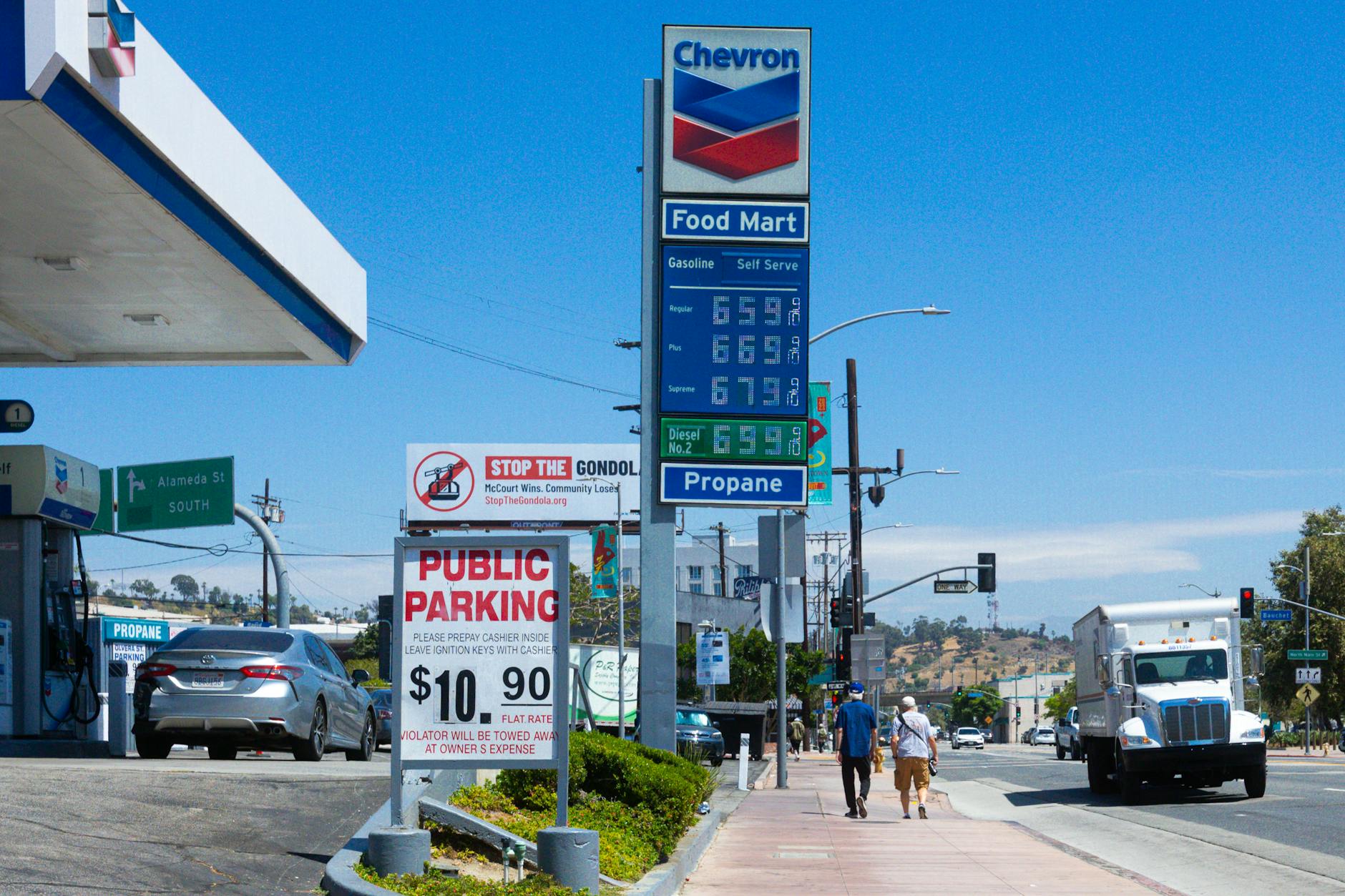
- California: about $5.98 per gallon, a standout premium versus the rest of the country.
- Oklahoma: near $3.95 per gallon; Mississippi and Louisiana hover just under $4.00.
- States above $5 per gallon (typical for regular): Nevada, Oregon, and Washington show elevated averages, with Hawaii and Alaska running higher still due to logistics and per-barrel costs.
- Lower-price pockets: Several Great Plains and Southern states remain closer to $4.00 or slightly above, offering some relief for daily drivers.
The gulf coast and inland states are showing mixed signals as pump prices diverge by region. Consumers in high-cost markets could feel a heavier wallet impact, especially those commuting long distances or facing tight budgets for summer travel plans.

Wallet Impact and Driving Season
With gasoline at elevated levels, households are recalibrating April and May budgets ahead of the peak driving months. Short trips and daily commutes now cost more, and many families are choosing to consolidate errands or carpool when possible. The effect is not uniform; high-use drivers in coastal and mountainous states report noticeably larger fill-ups on each visit to the pump.
While the national average sits above $4.50, the real-world pain is most acutely felt when prices linger near or above that threshold for several weeks. "We’re seeing a split between regions where prices surge past $4.50 and areas that barely crest that level," said Alex Moore, a market watcher with CLEARVIEW Financial.
Analysts expect volatility to persist as diplomatic negotiations unfold. If talks yield relief or new sanctions are avoided, pump prices could ease; if not, the market could push higher, making the summer travel season more expensive than last year.
What Drivers Can Expect Next
- Oil benchmarks remain sensitive to headlines from the Middle East, with any shift in risk appetite likely to move prices at the pump.
- Refinery maintenance and seasonal demand patterns could create occasional spikes even if crude futures ease.
- Shifts in domestic policy or energy infrastructure announcements could offer temporary relief or added headwinds for gasoline costs.
Industry observers caution that the path forward is uncertain. The consensus is for continued volatility until there is clarity on oil supply security and demand recovery in the United States.
How Consumers Can Weather Higher Prices
- Plan weekly fuel budgets with a small buffer to account for abrupt price moves.
- Use trip-planning apps to combine errands efficiently and cut unnecessary driving.
- Consider carpooling or off-peak travel when possible to reduce per-trip costs.
- Shop around for the best local price and avoid peak-hour pumping in crowded areas.
As the market digests the latest developments, the phrase prices surge past $4.50 has become a talking point for households mapping out summer road trips, daily commutes, and family budgets. The question for millions of Americans is whether this marks a temporary spike or the start of a longer-run shift in gasoline costs driven by geopolitics and energy policy.

Looking Ahead
Analysts stress that the immediate futures depend on diplomatic progress and the resilience of oil markets to potential shocks. If tensions ease or supply routes stabilize, pump prices could pull back below the $4.60 range. If risk premiums persist, the trend could keep gasoline at elevated levels through the spring and into early summer.
For now, the broader narrative remains clear: prices surge past $4.50 as global headlines move the needle for U.S. drivers. The real test will be how quickly energy markets price in a path to stability—or sink further on new risks.

Discussion