Tech Titans Push a New Solution as Bills Climb
In a move that signals how tech and energy policy may converge, Google and TESLA unveiled a new alliance this week aimed at cutting U.S. electricity costs. The collaboration brings together hardware makers, software developers, and energy distributors to redesign how the power grid handles demand, storage, and distributed generation. The announcement arrives as households face higher bills amid persistent demand for data centers and growing electrification across the economy.
Officials say the effort centers on making better use of an already built system. By combining advanced batteries, smarter meters, and flexible demand programs, the coalition hopes to squeeze more value out of the grid without building new infrastructure at a pace that outstrips demand.
Why They’re Moving Now
Rising electricity costs have become a political and economic headwind. Data from the past few years shows a sustained climb in consumer bills, with year-over-year pressures carried by heating, cooling, and the surge in data center energy use. A rough industry estimate shows U.S. electricity costs rose about 30% between 2021 and 2025, with no immediate relief in sight as global energy markets remain volatile.
Analysts point to a familiar problem: the grid is designed for peak moments but often runs well below capacity for the rest of the day. Duke University researchers reported that many regional systems operate around half of their capacity on average — roughly 53% utilization — highlighting how much headroom exists to improve efficiency with new tools. The coalition argues that better grid utilization is the key to tamping down bills, not simply building more generation or transmission.
How the Plan Will Work
At the core is a multi-pronged approach that blends storage, distributed energy resources, and smarter grid management. The participating organizations—Carrier, Verrus, Span, Renew Home, Sparkfund, and others—will build a pilot network that expands battery storage at both large facilities and homes, pairs it with demand-response programs, and integrates customers’ rooftop solar and other local generation into a coordinated system.
In practical terms, the coalition believes it can flatten price spikes, improve reliability, and allow more efficient use of existing lines and transformers. That could translate into lower monthly bills for households and businesses that are now paying a premium during hot summers or cold snaps when grid stress peaks.
What It Means for Households
- Potential savings begin with smarter energy use and more flexible rates tied to grid conditions.
- Home storage paired with demand response could reduce peak charges, a major driver of monthly bills.
- Broader adoption of distributed energy resources may speed up the transition to cleaner power without the need for immediate new generation capacity.
Observers note that consumer-facing benefits hinge on policy and rate designs that reward customers for allowing grid operators to shift their usage. If implemented well, the plan could make electricity cheaper on average while also enhancing resilience during extreme weather events.
Industry Reactions and the “google tesla know electricity” Question
Industry watchers have been asking how a Google-TESLA partnership could translate into tangible savings. Some executives stress that the answer lies in data-driven operations, not just hardware. The coalition emphasizes an operating model where information flows from meters to batteries to software that signals when to store energy or shed load without compromising service.
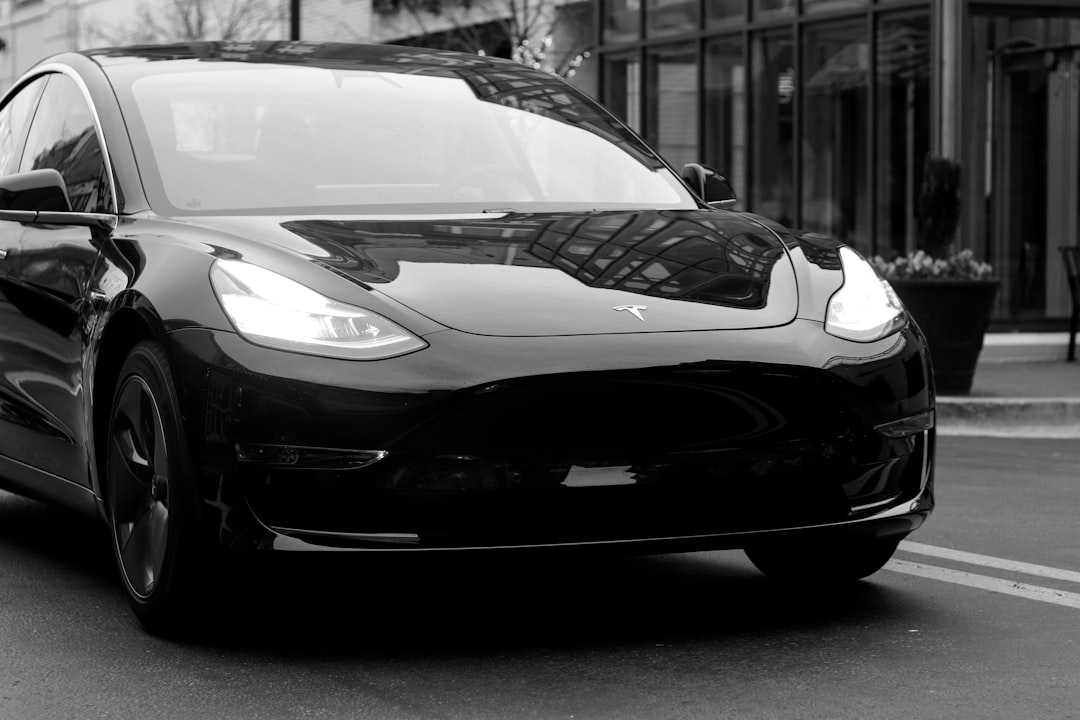
As one adviser puts it, “google tesla know electricity” is not a slogan about magical fixes; it’s a statement about systems thinking—how to coordinate storage, demand, and generation in real time to lower costs for millions of customers.
Key People, Partners, and the Road Ahead
The coalition includes Carrier, a longtime HVAC and energy equipment provider; Verrus, a data center efficiency specialist; Span, which makes smart electrical panels; Renew Home and Sparkfund, which focus on energy procurement and financing tools. The umbrella group, tentatively titled Utilize, frames the effort as a joint push to modernize grid assets without waiting for slower policy cycles.

Executive director statements emphasize urgency. A spokesperson said, “The time for greater grid utilization is NOW. The grid must be both bigger and smarter at the same time.” The group plans to publish pilots later this year, with a wider rollout contingent on regulatory approvals and demonstrated savings.
Market and Policy Context
Financial markets have shown sensitivity to energy policy and grid modernization efforts. Utilities and energy tech companies have been investing heavily in storage and digital controls, while policymakers weigh incentives for customers to participate in demand response and distributed energy programs. The Google-TESLA effort could accelerate private investment in grid-scale storage and home-energy solutions, potentially reshaping the economics of residential solar and storage financing.
Risks, Timelines, and What to Watch
Bringing a broad set of players under one framework always carries execution risk. Coordination across states with different regulatory regimes, varying rate structures, and distinct reliability standards could slow progress. The coalition aims to begin at pilot scale within this year, with measurable savings and reliability improvements the guiding metrics.

Investors will be watching three key factors:
- Actual bill reductions achieved in pilot programs and the durability of those savings over seasons.
- Regulatory approvals and the pace of permitting for new storage and microgrid deployments.
- Technology integration challenges, including cybersecurity, data privacy, and interoperability across devices and networks.
What This Signals for 2026 and Beyond
The collaboration signals a shift toward premium-demand management and smarter capital allocation in the energy space. If successful, google tesla know electricity could become a widespread shorthand for a new era in which software and storage help households lower bills without sacrificing reliability. In a market where price volatility often drives fear, a more flexible grid could offer both cost relief and greater resilience.
Bottom Line
Google and TESLA are betting that a smarter, more flexible grid can deliver meaningful savings for consumers while keeping pace with expanding electrification and digital demand. The coalition’s pilot projects will become the test of whether underutilized grid capacity can truly translate into lower electricity bills for households and small businesses—an outcome that would make the phrase google tesla know electricity resonate beyond tech circles.

Discussion