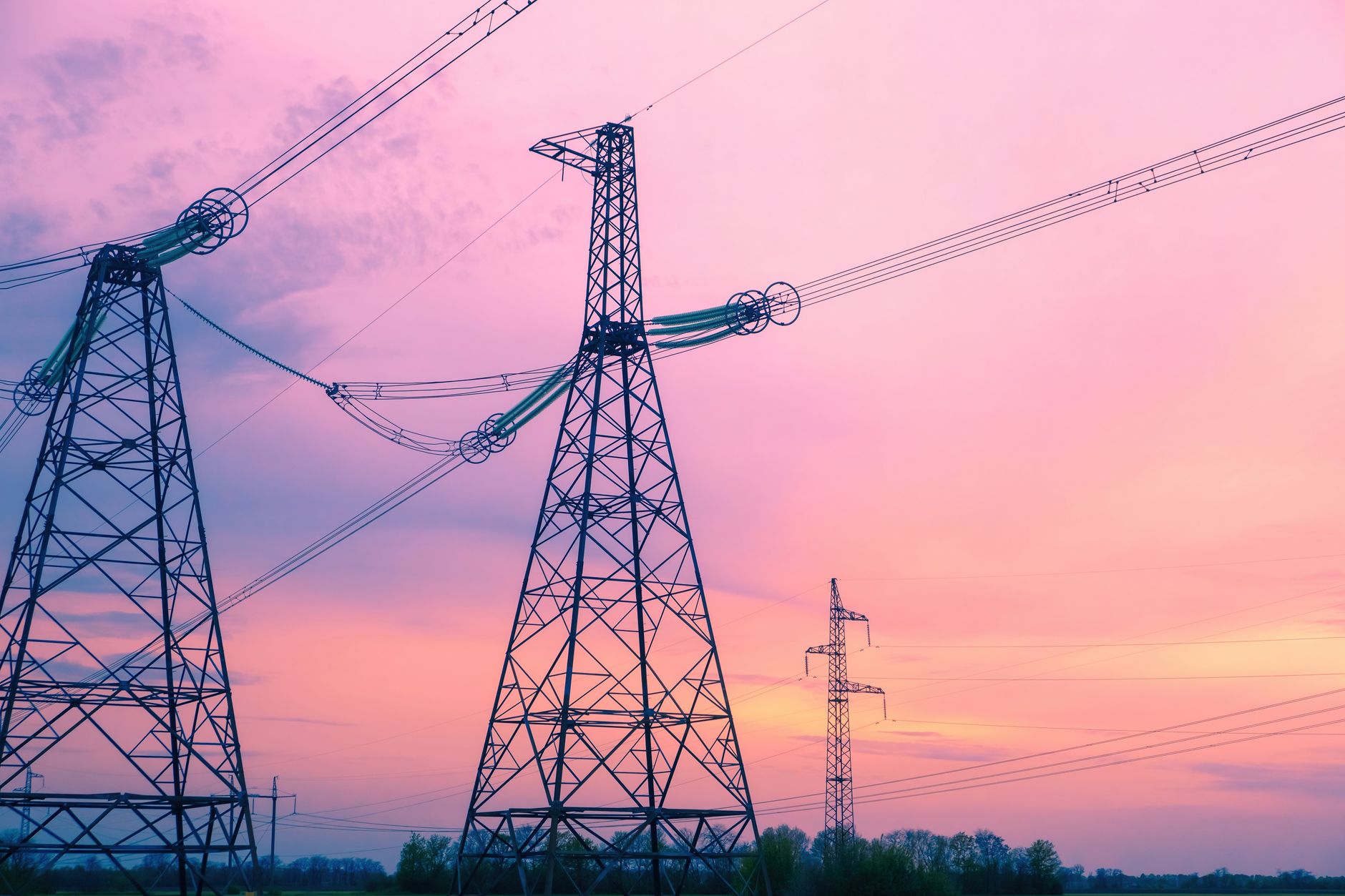
Global Energy Shock Hits Farm Budgets
As of July 11, 2026, farmers across the United States are contending with a fresh price squeeze tied to energy markets. The driver is high energy costs from geopolitical tensions in the Middle East that disrupt supply and push diesel, natural gas, and fertilizer costs higher.
The ripple effect hits every corner of a farm, from irrigation pumps to crop storage. Producers report energy bills climbing year over year, threatening margins at a time when weather and markets are already challenging.
Scope and Data: What the Numbers Show
Industry data and lender reports paint a clear picture of rising costs, with energy inputs now a central line item for most farm budgets. Farmers are reporting broader pressure across fuel, fertilizer, and electricity rates that feed into every stage of production.
- Diesel prices at the pump have moved into the range of roughly 3.90 to 4.20 dollars per gallon in many markets, up from about 3.40 last year.
- Fertilizer costs have jumped roughly 15% to 25%, driven by higher natural gas feedstock and shipping costs tied to global supply disruptions.
- Electricity and irrigation pumping costs have risen by about 8% to 14% in several rural utility areas, adding to annual operating expenses.
- Loan payments and interest rates remain elevated, constraining liquidity for growers who financed inputs this season.
The burden of high energy costs from ongoing global tensions remains a common thread. Analysts warn that if the energy squeeze persists, some family farms could face cuts to planting area or delayed harvests as the budget tightens.
On the Ground: How Farmers Are Responding
Across the South and Midwest, farmers are adjusting in real time. Some are delaying nonessential purchases, others are switching to more energy-efficient equipment where possible, and a growing number are seeking hedges or forward contracts to lock in fuel and input costs.
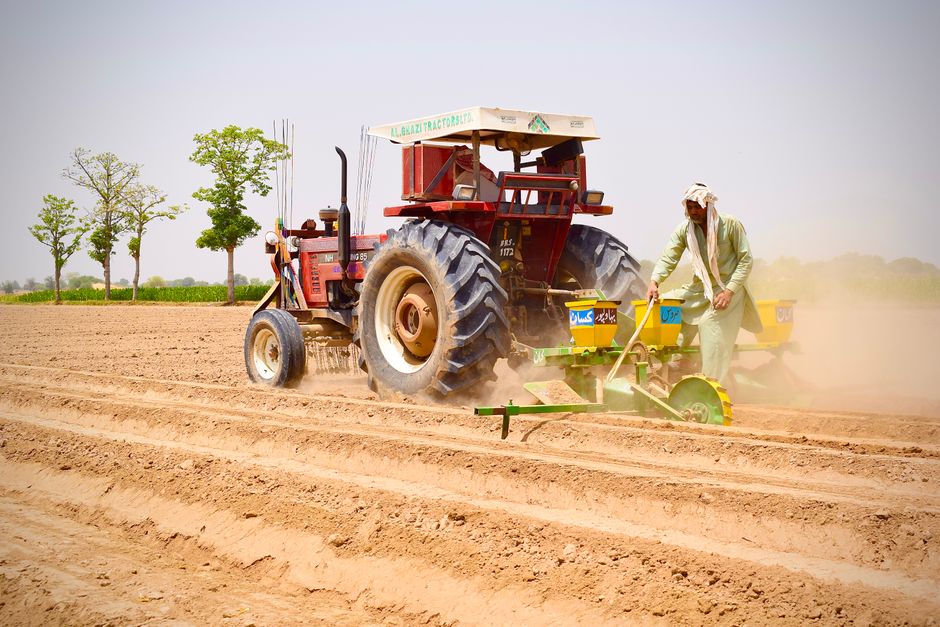
In Louisiana, veteran grain farmer Maria Delgado described the current environment as a test of endurance. 'We are balancing fertilizer needs with fuel costs, and every decision feels dependent on the next energy price tick,' she said. 'If prices stay elevated, we’re going to be forced to scale back.'
Co-ops and local banks report tighter credit conditions as energy-driven cash flow pressures mount. A loan officer in a rural bank noted that farmers with smaller margins are first to feel the impact, with many turning to fuel efficiency measures and crop plans designed to maximize return on limited acreage.
Families and Households: Spillover to Everyday Life
The energy squeeze rarely stays contained on the farm. Higher diesel and fertilizer costs translate into higher costs for residents and grocery shoppers, as manufacturers pass along expenses to retailers and consumers. Agricultural economists warn that inflation pressures could linger if the war-driven energy rally persists through the next planting season.

Household budgets in farming regions are feeling the pinch in ways that echo broader consumer price trends. Local groceries and farm-supported markets report modest price increases for staples tied to energy-intensive production and distribution channels.
Policy, Markets, and the Road Ahead
Policy makers and industry groups are watching energy markets closely. Some lenders and agricultural extension programs are pushing for more robust risk management tools, including price hedges and cost-sharing programs to help farmers weather energy spikes. Officials at USDA and state farm departments emphasize monitoring energy costs in farm budgets and offering guidance on budgeting through volatile periods.
Analysts caution that a sustained period of elevated energy costs from geopolitical risk could alter planting choices and crop mixes, potentially shifting regional competitiveness. Conversely, a retreat in energy prices would relieve some pressure, allowing farms to expand operations and invest in efficiency upgrades.
What This Means for Households and the Market
For households, the immediate concern is higher grocery bills and potential changes in product availability as farms recalibrate. The energy cost shock also has implications for rural incomes, school meal programs, and local employers tied to the farming economy.
Farmers are urging policymakers to consider targeted relief and risk management support. In the meantime, many producers are prioritizing energy audits, fuel-efficient equipment, and crop plans that better align with the current cost environment.
Key Takeaways
- Energy costs are rising again, driven by high energy costs from geopolitical tensions and supply constraints in a volatile global market.
- Farm budgets are tightening as diesel, fertilizer, and electricity bills climb, affecting planting and harvesting decisions.
- Farmers are adopting hedges, efficiency measures, and tighter credit discipline to weather the energy squeeze.

Discussion